The strategy was simple, and, I guess, logical… if we could afford the losses. Let the Bugs come up.
Meet them and kill them on the surface. Let them keep on coming up. Don’t bomb their holes, don’t gas their holes — let them out. After a while — a day, two days, a week if we really did have overwhelming force, they would stop coming up. Planning Staff estimated (don’t ask me how!) that the Bugs would expend 70 per cent to 90 per cent of their warriors before they stopped trying to drive us off the surface.
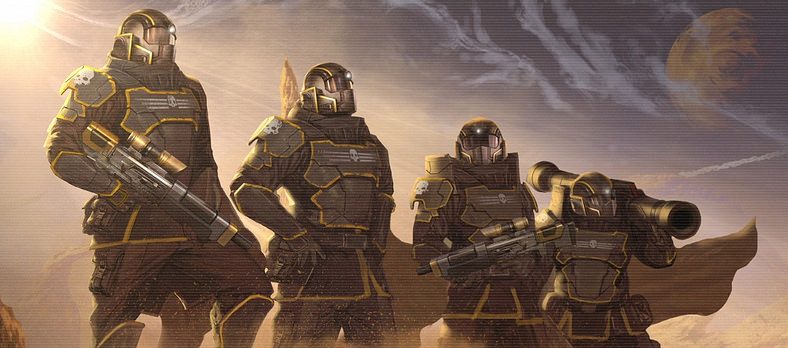
The book by Robert Heinlein was written in 1959, but it still has a futuristic flavour. It tells the story of the war with the Bugs, an arachnid-like alien species, sometime in the future of humankind.
It uses a first-person narrative to follow the tale of a soldier, gradually increasing in ranking, as the war progresses. Much of the book is taking place during his military training, which gives the opportunity to discuss many political ideas.
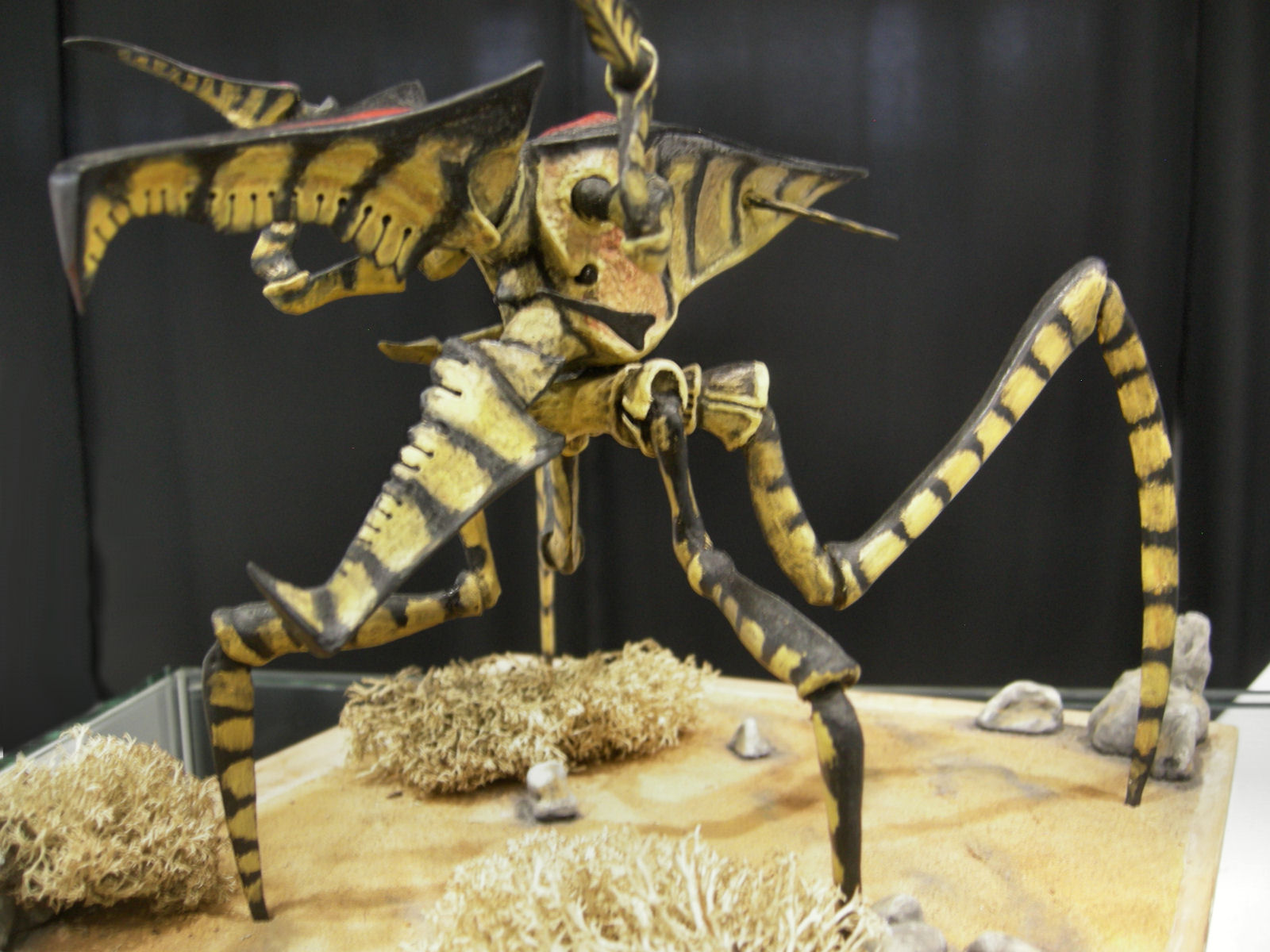
Warrior bug, from the first movie.
The book basically started the military scifi genre. It has numerous ideas very advanced for their time: racial diversity, starship drives, power suits.
The first movie (1997) is quite different than the book, more action-packed and less intellectually engaging.
Overall, the novel offers an immersive lecture and an interesting storyline, where the author uses the background of war and the progress of a space marine to propose some political ideas.
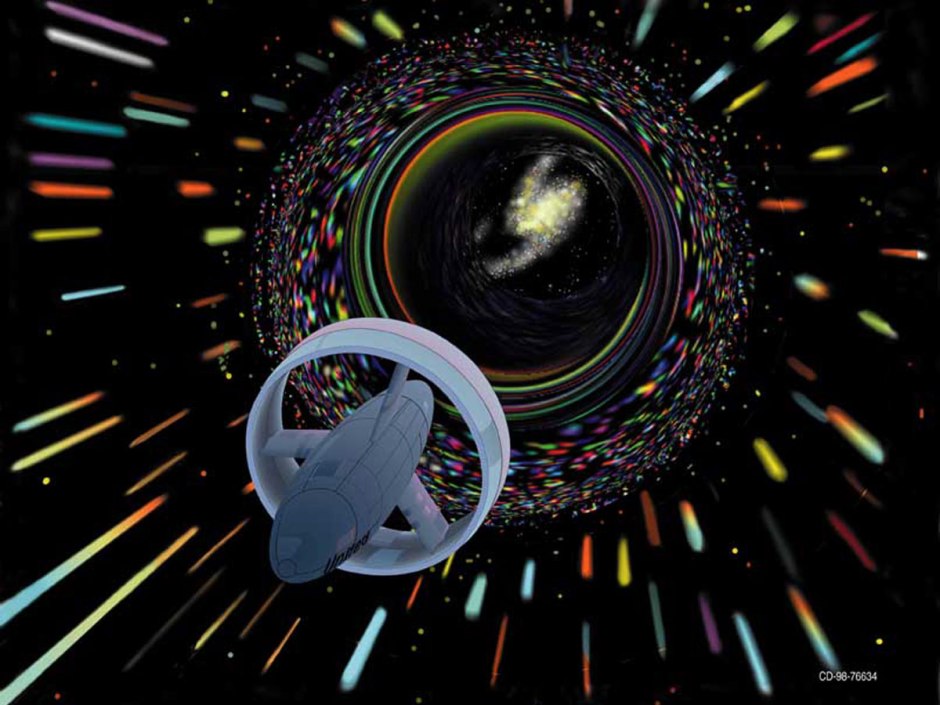
The whole voyage to Tau Ceti and back takes place inside the Local Interstellar Cloud and the G Cloud, which are concentrations of gas within the Local Bubble, which is an area of the Milky Way galaxy with fewer atoms in it than the galaxy has on average. Turbulence, diffusion: in fact, with our magnetic field coning ahead of the ship, electrostatically pushing aside the occasional grain of dust big enough to harm it in a collision, all atoms of any kind encountered en route are pushed aside, so we register our surroundings mostly as a kind of ghostly impact and then as a wake, shooting by to the sides and then astern of us.
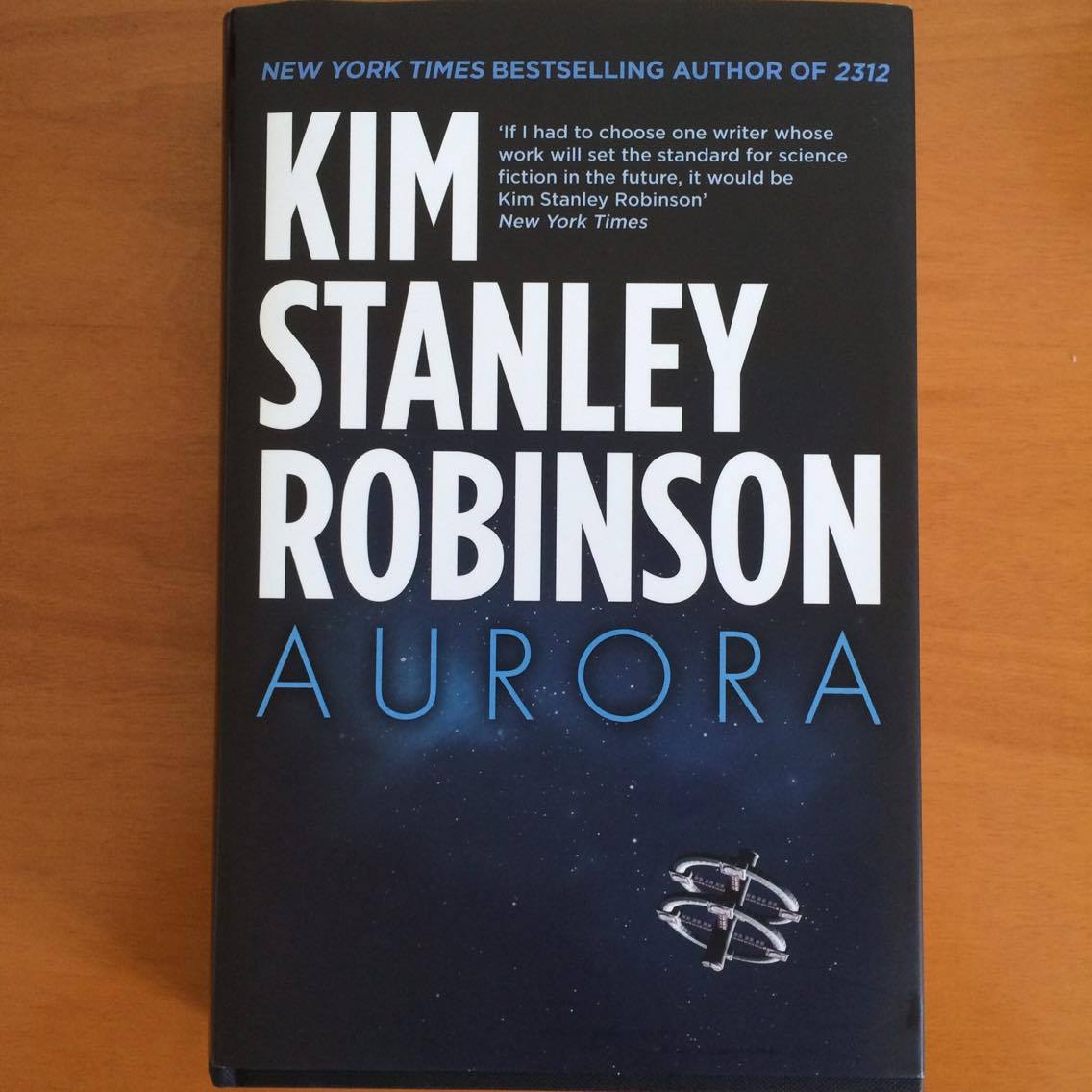
Aurora is a beautiful hard scifi novel, describing a voyage of humankind from Earth to another planet, for colonisation. The voyage fails, as all the other voyages of colonisation tried by humankind sometime in the future. The crew decides to come back to Earth, barely trying to understand and adapt to the new planetary conditions.
While I enjoy the idea, the writing, the narrative and all the scifi descriptions, I fundamentally disagree with the message of the book: that we are chained by biological strains to remain on Earth. Hence, we should do the utmost care to preserve the planet as pristine as possible.
According to Kim Stanley Robinson, outside of Earth, people are stupider, unable to adapt and none of the tries of colonisation has any success, despite well-planned voyages. I think this conclusion comes in contrast with humankind achievements so far: small groups of people exploring, colonizing and adapting to very different strips of land and weather patterns. Humans did not get confined in Africa, but pushed further and further, from the desert to islands and from arctic to jungles.
The story of this voyage failure to Aurora, the alien planet, is well constructed and tension is skilfully built. gradually increasing pace. The protagonists’ motivations and characters are carefully constructed.
A pessimistic story of humankind interstellar voyage
However, there are things I don’t like. The leading voice towards returning to Earth has no credentials, except being the daughter of the main engineer of the ship, dead at the time of alien planet arrival. She seems the leader not because of personal willpower or building a solid argument, but because she is known to most people and most voyagers are likely to fight the least her option.
The arguments towards returning to Earth are poorly constructed. There is no try to adapting and understanding the new planet. No years of orbiting trying to see where the problems are and how they can be resolved. It is a very different and pessimistic story than the Martian, for example.
It seems unlikely that people can revolt and endanger the entire expedition, without exhausting all avenues of solving their issues peacefully first.
I like the narrative, but the logical path seems flawed and not realistic. There are too many psychological, mind games, when there are too many practical problems to solve.
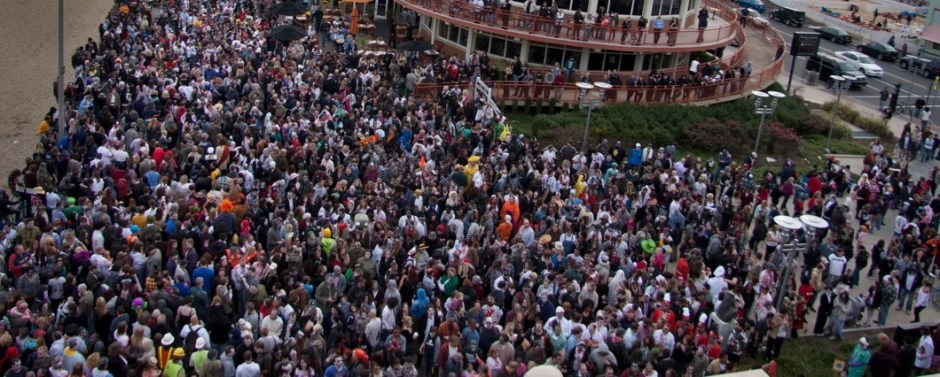
The swarm continued among the cars, literally eating its way up the stalled lines, all those poor bastards just trying to get away. And that’s what haunts me most about it, they weren’t headed anywhere. This was the 1-80, a strip of highway between Lincoln and North Platte. Both places were heavily infested, as well as all those little towns in between. What did they think they were doing? Who organized this exodus? Did anyone? Did people see a line of cars and join them without asking? I tried to imagine what it must have been like, stuck bum per to bumper, crying kids, barking dog, knowing what was coming just a few miles back, and hoping, praying that someone up ahead knows where he’s going.
You ever hear about that experiment an American journalist did in Moscow in the 1970s? He just lined up at some building, nothing special about it, just a random door. Sure enough, someone got in line behind him, then a couple more, and before you knew it, they were backed up around the block. No one asked what the line was for. They just assumed it was worth it. I can’t say if that story was true. Maybe it’s an urban legend, or a cold war myth. Who knows?
The book is a collection of reports that present a zombie apocalypse. Max Brooks is fantastic in the way he presents the apocalypse, not in a single description, but through a myriad of small puzzles divided between the reports and interviews.
The stories are so varied and imaginative that you just can’t leave the book out of your hand. The third person narrators range from India to China and the US, from military personnel to ordinary refugees, all bringing a new angle, a new experience, a new sentiment, a new tragedy to the picture.
Why some people have this incredible fascination with zombies, I can’t understand. But the book is good.
There is no single narrative line, but you are gradually made understating how the apocalypse unfolds. There is no classic protagonist, following the zombies; the protagonist is the zombies themselves, through their overwhelming and disrupting, horrifying presence. Or maybe the protagonist is humanity itself, through its many voices that is presented. The narrative is truly a masterpiece.
There is also a movie with the same title, but it has nothing in common with the book. Read the book, it is fascinating even if you are not fans of the genre. Zombies could be replaced by aliens, volcanoes or rabid animals. What really stands out is the human story and how it is narrated.
I’ll be at the entrance to Schiaparelli crater tomorrow!
Presuming nothing goes wrong, that is. But hey, everything else has gone smoothly this mission, right? (That was sarcasm.)
Today’s an Air Day and for once, I don’t want it. I’m so close to Schiaparelli, I can taste it. I guess it would taste like sand, mostly, but that’s not the point.
Of course, that won’t be the end of the trip. It’ll take another 3 sols to get from the entrance to the MAV, but hot damn! I’m almost there!
I think I can even see the rim of Schiaparelli. It’s way the hell off in the distance and it might just be my imagination. It’s 62km away, so if I’m seeing it, I’m only just barely seeing it.
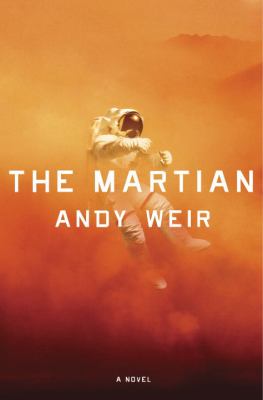
The book is a solid hard science survival story. I have seen the film first, but I still enjoyed the book. The technical detail and scientific accuracy are impressive and the action looks plausible. No fantastic, last second save or dash. The narrative line is well smoothed and comes at the right pace.
The best on the planet
The protagonist is no perfect hero, he makes mistakes, but remains positive and determined. There are no mind games, nor psychological detours, which I appreciate a lot. The story focuses on the facts and solving problems.
I enjoyed the most the subtle message of the book which in my view, was that the greatest quality of the hero is not the technical skill, but the mental fortitude. He takes every problem at a time, makes objectives and plans for them. Not everything is going smoothly, but he keeps pushing.
An amazing alien planetary survival, a genre much in vogue today.
In the far distance a helicopter skimmed down between the roofs, hovered for an instant like a bluebottle, and darted away again with a curving flight. It was the police patrol, snooping into people’s windows. The patrols did not matter, however. Only the Thought Police mattered.
The book is a classic and I absolutely recommend reading it. Orwell presents a dystopia, where things aren’t what they should be. It’s a grey world, with thoughtcrimes, destruction of critical thinking and individualism, total surveillance, nomenclature and historical revisionism.
Orwell’s dystopia is not an alien concept. Please see the excellent 2008 German movie, Die Welle.
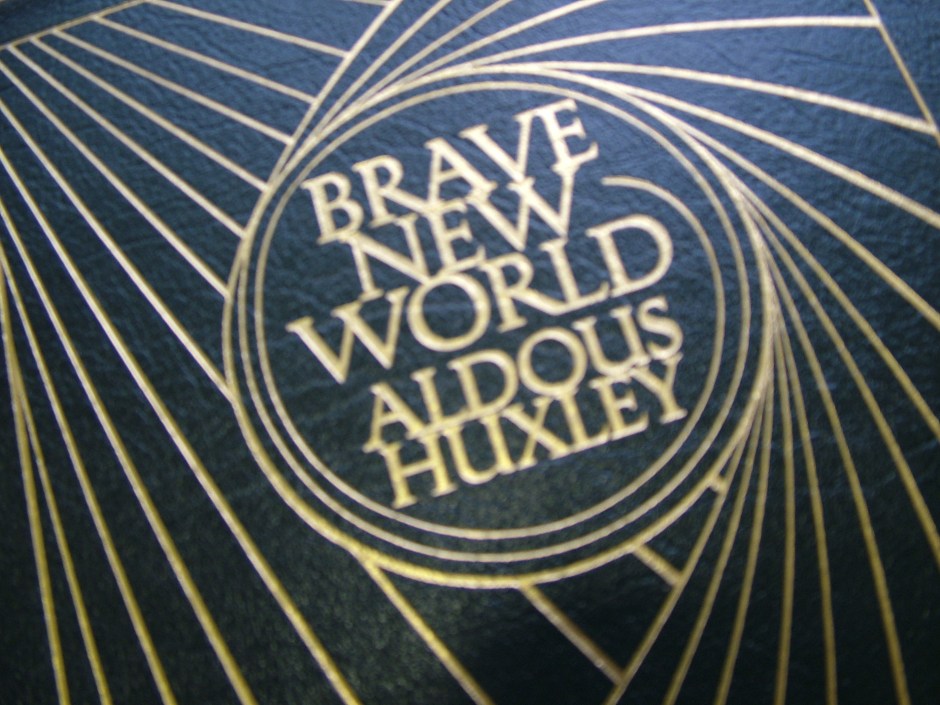
The book pairs with the Brave New World by Huxley, published 2 decades earlier. While the dystopia in the Brave New World is sustained by drugs and distraction, 1984 is a brutal, overwhelming totalitarianism. They are both on the same level of crushing critical thinking and blocking any individual initiative. While they look far apart, they are the same facets of total subjugation, with a privileged few.
Unfortunately, in my opinion, we are heading today to the same level of thoughcrimes described by Orwell and brainwashing mentioned by Huxley. So many on social media make their opinion without looking at the original source and without checking the source.
You can read the book online for free at the following link.
Romanii, forfotind nelinistiti si saraci intre imperii, s-au lasat atrasi în cele mai servile aventuri culinare. Frontiera constanta a unor civilizatii si continente incerte si mobile, mereu amenintati si mereu infometati (poate chiar din cauza vecinatatilor), daco-romano-migratorii au copiat en gros si fara discernamant, sedusi de la prima întâlnire, toate gatelile ce ne-au invadat prin milenii (de obicei gratie unor banale ocupatii sau mode temporare). Asa se face ca, sub titlul emfatic si narcisist de „bucãtãrie româneascã“, gasesti – in carciumi mai ales, fie ele locande de soi sau bombe imposibile – mai toate felurile turcesti, arabe, austriece, grecesti, franceze deseori, rusesti, evreiesti, poloneze ori chiar si altele, de si mai aiurea.
NOTE: I write the review in the language I read the book.
“Bucate, vinuri si obiceiuri romanesti” nu este neaparat o colecție de retete culinare romanesti, un amalgam de altfel, ci o colecție de povesti si istorii. Fiecare reteta are un vin al ei, o licoare pantecoasa sau zglobie, neagra ca Feteasca sau galbena ca Grasa de Cotnari. Am citit cartea intr-un suflu, salivand la poale-n brau si visand la vinurile Vrancei.
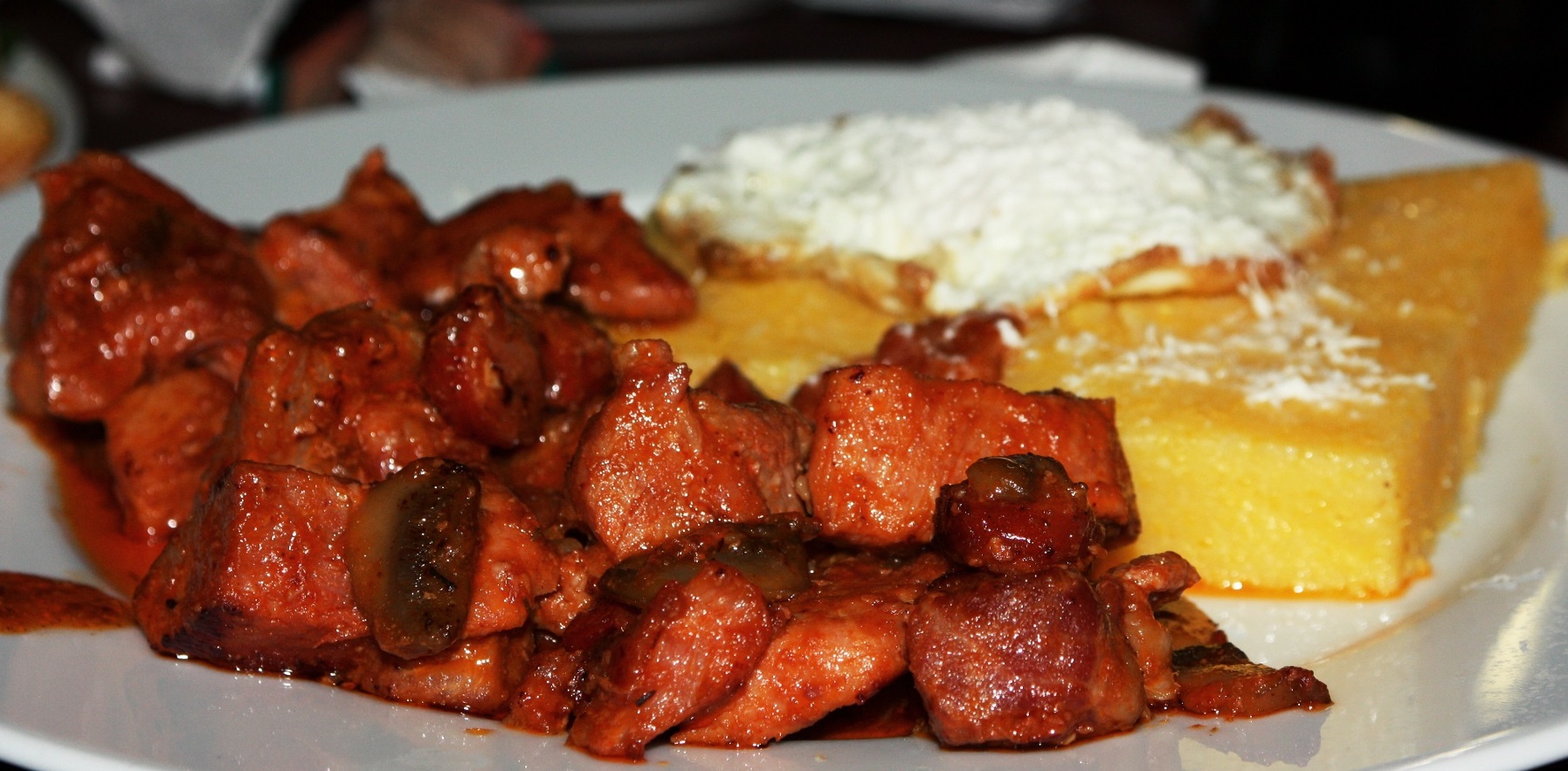
Pacat ca nu am usage rights la nicio poza a lui Radu Anton Roman. Coperta cartii e foarte hazlie. Asa ca am pus o tochitura moldoveneasca. Merge cu o Feteasca Neagra.
Radu Anton Roman emana o incredibila energie pozitiva. Fiecare masa are un suflet al ei. Sincer, omul acesta opreste timpul in loc si iti aduce aminte ce inseamna sa mananci.
Above them, in ten successive layers of dormitory, the little boys and girls who were still young enough to need an afternoon sleep were as busy as every one else, though they did not know it, listening unconsciously to hypnopædic lessons in hygiene and sociability, in class-consciousness and the toddler’s love-life. Above these again were the playrooms where, the weather having turned to rain, nine hundred older children were amusing themselves with bricks and clay modelling, hunt-the-zipper, and erotic play.Buzz, buzz! the hive was humming, busily, joyfully. Blithe was the singing of the young girls over their test-tubes, the Predestinators whistled as they worked, and in the Decanting Room what glorious jokes were cracked above the empty bottles! But the Director’s face, as he entered the Fertilizing Room with Henry Foster, was grave, wooden with severity.
I read this book as a recommendation from my boss. You can read for free at this link. I was mesmerized, I read the book in just a couple of long nights.
The book was written in 1932, but it seems so contemporaneous, 80 years later. It is a classic, in the same vein as 1984 by George Orwell.
Would you go in a golden cage? Money, sex, drugs, elitism, but no free will. This is the question that Huxley proposes.
Huxley’s writes about a future dystopia, where genetic engineering, recreational sex, drugs, hypnotic messages and brainwashing create a world were everyone thinks is happy. But this world lacks any deep meaning, no family, religion or art. A system of castes, heavily brainwashed, is ingrained in the texture of society.
The system seems to me very Soviet-like, were science is praised, family and religion is destroyed, but economy can only exists through a system of slavery and elites.
Some can see through the veil, as Bernard, and they are given sanctuary or prison, as you like, in some of the isles. The faults of the society are expressed by the life and dialogue of a men called the Savage, born in a so-called reservation and unwilling to bend to the wrong rules and be brainwashed.
I loved the book because it makes you think, it makes you ask questions. How many people make an opinion by just reading a title of news on Facebook? How many people good in the field, pretend with arrogance knowledge in other fields? How many people go to the original source and skip interpretations? How many people filter the information that comes to them?
In my own field, energy, I see people holding strong views, one way or the other, without knowing too much of how the system works.
It is a book recommended for high school reading in many countries. It makes you think.
The Mining Colony now comprised eight modules, plus an inflatable dome that was attached directly to the asteroid. The robots had spent several weeks welding a three-meter-diameter ring into a circular groove that they had prepared on Amalthea’s surface. The inflatable had been mated to it about a hundred days ago, and filled with breathable atmosphere. It was not quite a shirtsleeves environment, since the asteroid was cold and chilled the air in the dome. And many of the robots’ normal operations produced gases that were toxic, or at least irritating. But that wasn’t the point of having a dome.
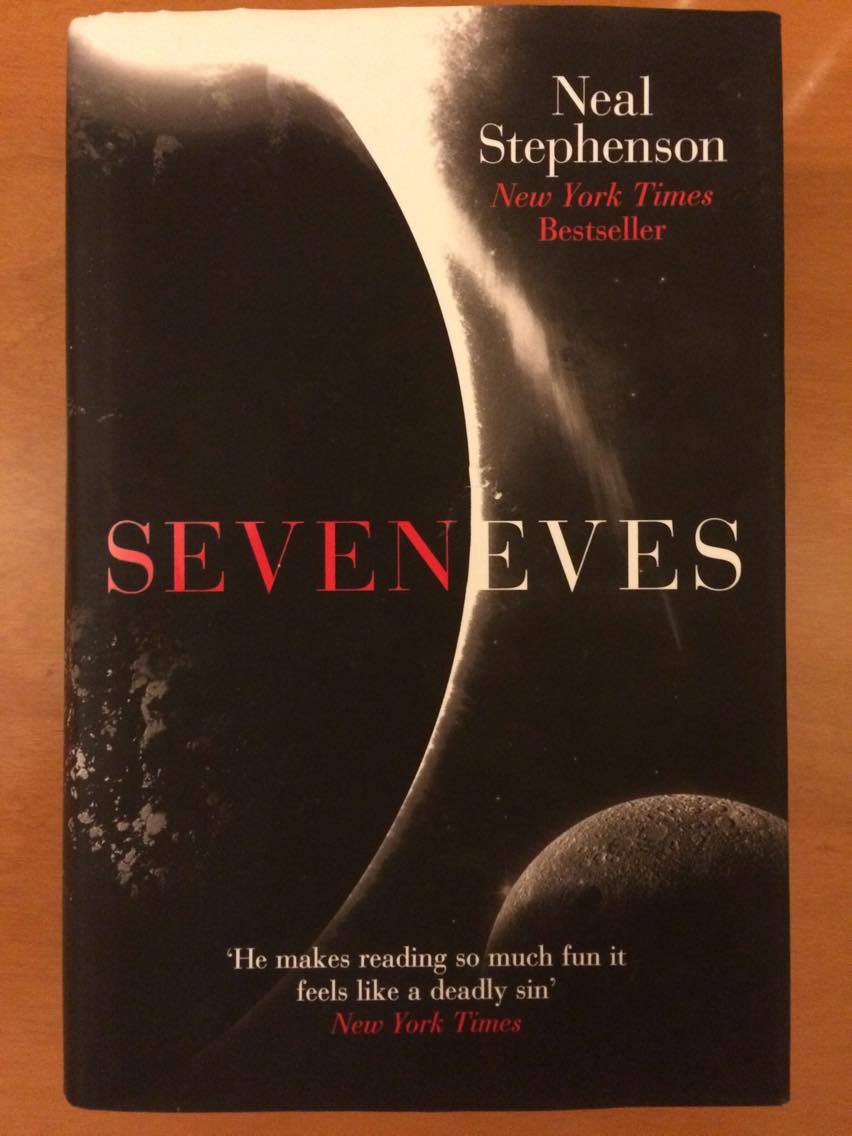
Seveneves is a book of what is called hard scifi, a category of science fiction focusing on scientific accuracy and technical detail. Neal Stephenson did a fantastic job in researching and writing this book, which is arguably one of the best scifi in the last years. The technical detail is incredible and the plot is perfectly built and sustained.
What will humanity do if we have to leave Earth?
The novel starts with the destruction with the Moon in a cataclysmic event, an action that will destroy life Earth, leaving only the space as a refuge. After this strong hook for readers in the introduction, which kickstarts the entire action, Stephenson brilliantly describes the logical steps that human race takes for its survival. The author pays considerable attention to scientific accuracy, making the book a true voyage of discovery and imagination.
It is also extremely entertaining: the action has great pace, the descriptions are just enough to understand what is happening, the plot leaves the reader guessing what will come next and the personages are truly easily identifiable and memorable. The reader finds out by the last chapters why the novel is called this way.
The book is recommended by both Financial Times and Bill Gates. It’s incredible how you keep wanting to continue, even after more than 800 pages. A masterpiece.
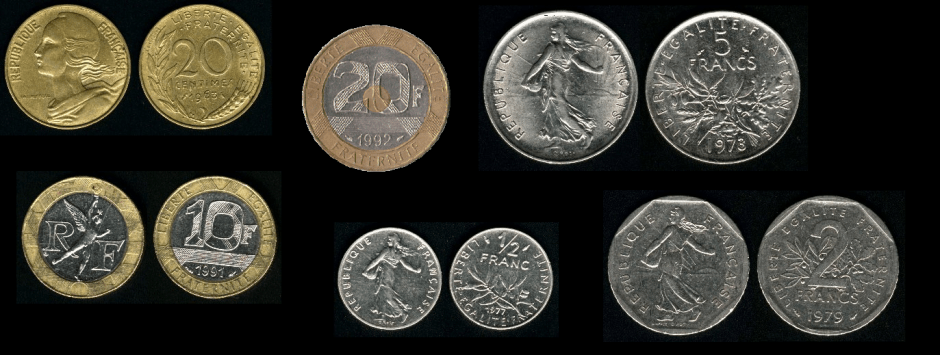
[…] Marronnier est un peu fini dans la profession mais à une époque c’était un sacré winner: Lions à Cannes, couverture de Stratégies, V Prix au Club des A.D… Il est l’auteur de plusieurs signatures assez connues: «ET VOUS, C’EST QUOI VOTRE TÉLÉPHONE?» pour Bouygues Telecom, «QUITTE A AIMER LE SON, AUTANT AVOIR L’IMAGE» pour MCM, «REGARDEZ-MOI DANS LES YEUX, J’Ai DIT LES YEUX» pour Wonderbra, «UNE PARTIE DE VOUS-MÊME EN MEURT D’ENVIE, L’AUTRE N’A QU’A FERMER SA GUEULE» pour Ford. La plus connue reste quand même «CAFÉ MAMIE. IL Y A SÛREMENT UN MEILLEUR CAFÉ. DOMMAGE QU’IL N’EXISTE PAS». Putain, ça semble facile mais fallait le trouver, plus c’est simple plus c’est compliqué à débusquer.
Le livre est en français, donc j’écrivais le revue dans la langue du livre que j’ai lu.
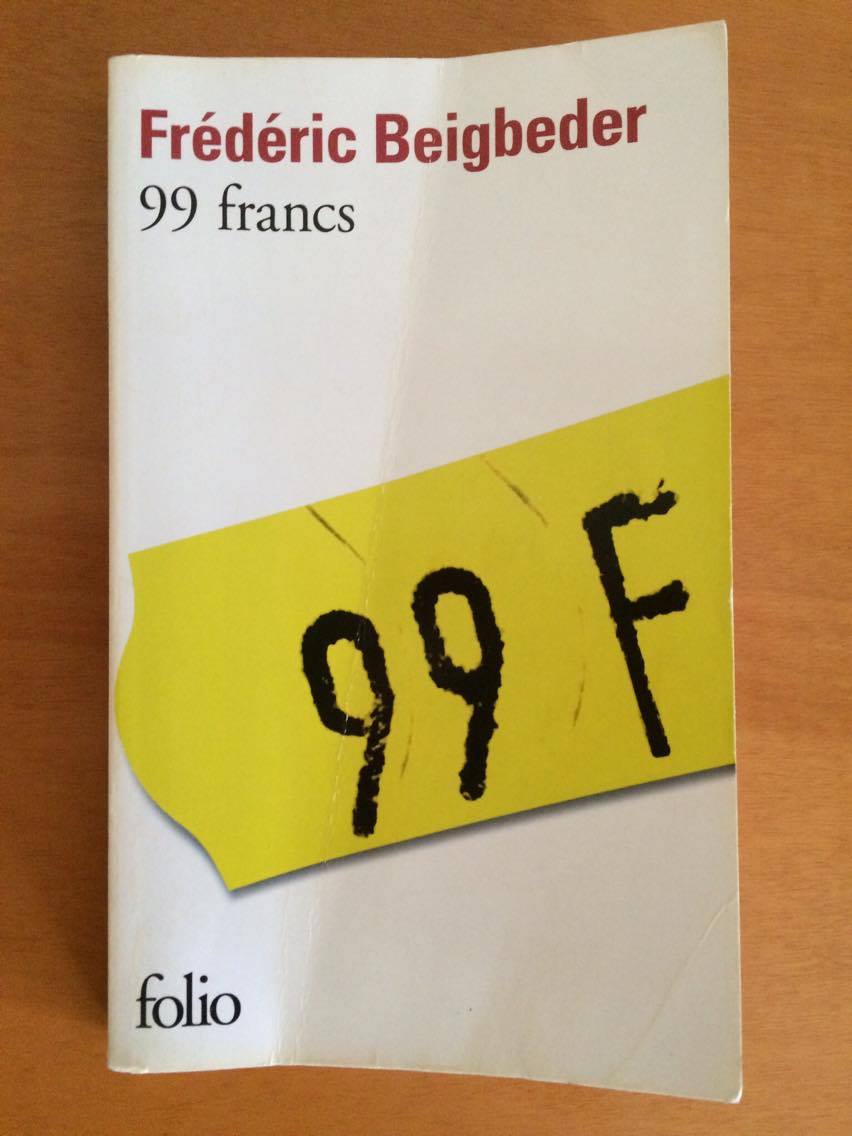
Le roman de flamboyant auteur Frédéric Beigbeder raconte une histoire de décadence dans la société de consommation actuelle, par la suite d’un épisode de la vie d’un directeur de publicité.
Une roman qui parle de consumérisme et décadence
L’auteur suggère que la publicité pousse les consommateurs à prendre des décisions qu’ils ne veulent pas nécessairement faire. Il se moque des corporations et rit de leur structure, considérée comme hypocrite et perfide. Alors que de nombreux idées socialistes, de gauche, sont clairement dans la veine de roman, la critique ne charge pas l’intrigue.
L’histoire se termine un peu décevant, avec un monde fantastique où les vedettes se cachent. Mais peut-être ca était toute l’idée de roman, je vais vous laisser découvrir.
“The Spirit of Confederation reports she is taking very heavy fire, Admiral,” Hughes told him. “Damage to aft shields, damage to primary broadside weapons, damage to two of three hab modules. Fire control is down.”
Koenig was watching the Confederation‘s struggle on a secondary tactical display, which was relaying the camera view from a battle drone pacing the retreating ships. Straight-edged patches of blackness kept popping on and off along the battleship’s length, responding to incoming fire. One set of aft shields was flickering on and off alarmingly, threatening complete failure. Several sections of her long, thin hull had been wreaked by energies leaking through the shields. The damage was severe, but she continued to fire back.
Earth Strike is the first part of the trilogy Star Carrier, by Ian Douglas. The book presents the war between humans and an alien species, some 400 years from now. The mysterious aliens have the upper hand in technology and intelligence, but humans have some stunning come-backs.
Ian Douglas presents two episodes of this war, following three main characters: Lieutenant Trevor Grey, pilot of a Starhawk (kind of fight plane in space), Commander Marissa Allyn, the wing leader and Admiral Alexander Koenig, commanding America, a large starship, equivalent of a carrier.
Starhawks leaving the carrier.
Their narratives interweave with the star carrier and the fight against the aliens, offering three different perspectives of the war. Koenig’s story presents a hawk’s eye vision, the grand scale of the war; Allyn’s plot is more tactical, allowing chapters busting with fast paced action; while Grey’s inner demons and questions beautifully describe the situation from the common man’s perspective.
The stories intertwine flawlessly, the pace of the plot is just right, the questions don’t seem out of the ordinary and the plot is believable and progresses entertainingly. The book doesn’t have the impressive science background of books such as Seveneves or Aurora, but as a military scifi, is full of action and credible.
There is no wonder that the book by Ian Douglas was well-received by readers and fans of the genre. It is sometimes rough on the edges, but it keeps the reader entertained and wondering what will happen next. A good piece of writing.