And so you cannot back up. You go into harm’s way as true human beings. Just like our foe. Think now, if you should die, all of the words you have read, the places you’ve been, the knowledge and the wisdom you have gained, it will altogether vanish like a dream. Every note of music, every brushstroke of every painting, every q-bit, every sim, all that laughter, so many tears, and suddenly…nothing. Perhaps an earlier backup of another you does remain safely stored in some remote offline facility. Your memories of the Beijing Opera, the candomblé in Bahía, the dunes of al-Qudd, a walk down the grand avenues of Cupertino, the white nights of Putingrad, the call to prayer on the Habitat of Peace, a red supermoon over the Armadalen Sea, the crumbs of a pastry and the last mouthful of coffee in a tiny café in Trastevere, everything you have ever known, remembered, talked about, and everything you have left unspoken—it could all live again, I suppose. But would that be you, Doctor Saito? The you here with me? Right now?
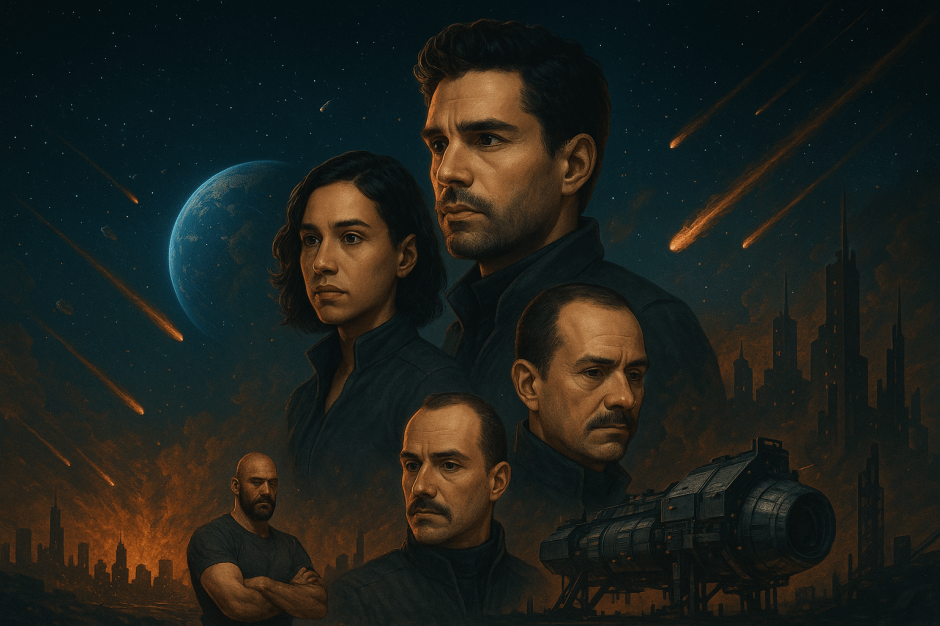
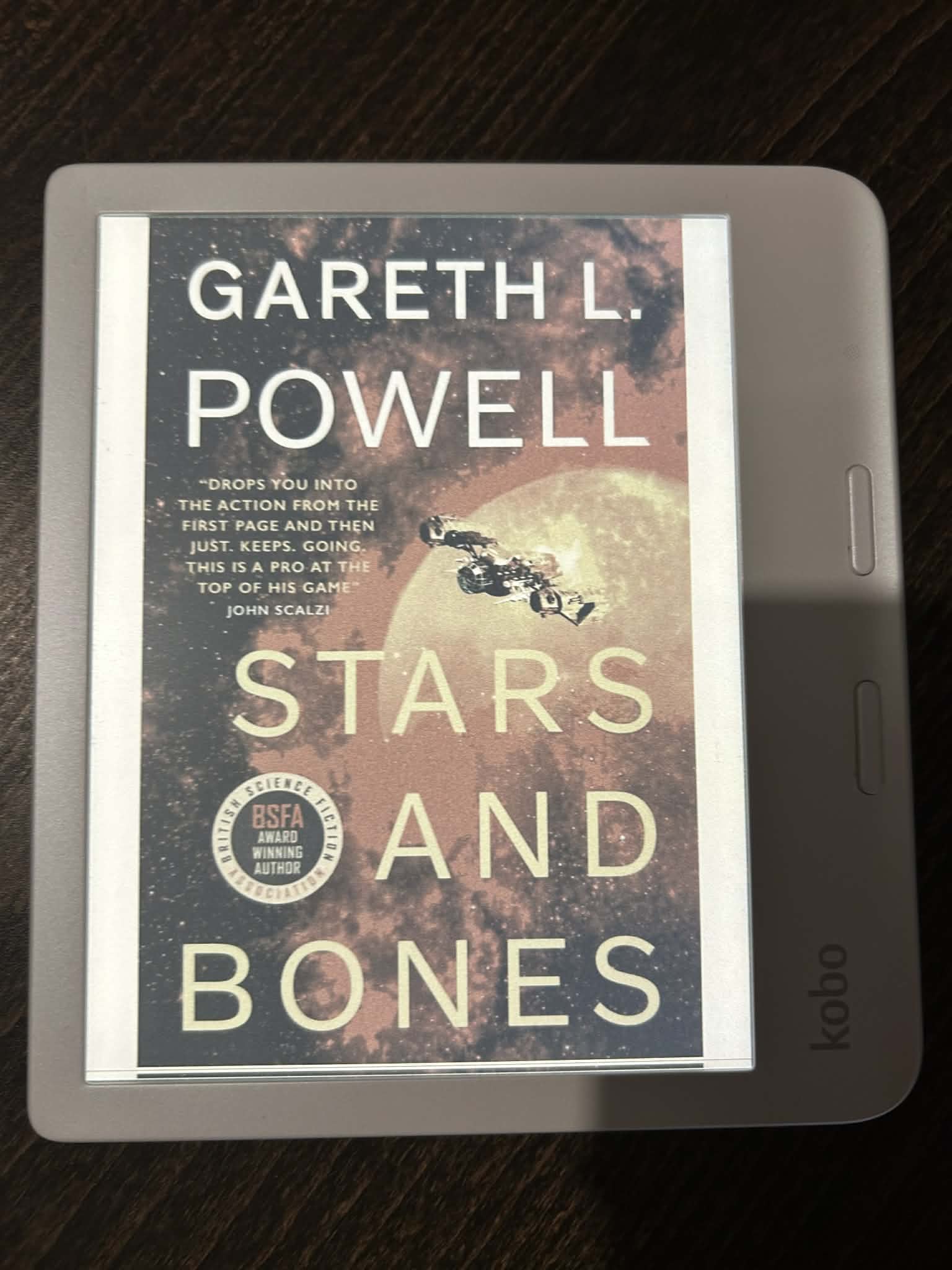
The book is a military scifi that follows the stories of 5 different characters, during the invasion of “natural”, unenhanced humans against the more peaceful, but AI-augmented humans. The character’ arcs ultimately merge and finale prepares the ground for the future books in the series. Our five heroes are: Commander Lucinda Hardy, unsure of herself, but ultimately leading the military resistance forces;. Booker3, a soldier that has his conscientiousness transported across different mediums, Princess Alessia, a young royal, survivor of his family’s decapitating strike, Sephina L’trel, a pirate, and Admiral Frazer McLennan, hero of the previous war with the invaders.
The world-development is fascinating, for example the social consequences of having human conscientiousness being able to be transported between different bodies and machines, which practically means immortality. This also means a slow descendance into oligarchy.
The antagonists (the Sturm) are clearly defined as the ultimate evil, their motivations being the destruction of all humans which are augmented. The consequence of that is that their technology is by default inferior to what the enhanced humans can deploy. Only the discipline, the numbers and the sudden, surprise strike – can give the natural humans a chance. Nevertheless, the disparity between the two should be even greater.
In the middle is the Armadalen empire which is on the side of those accepting the AI, but keep traditions of activities (like combat) requiring mastery the old way (trading, not downloading).
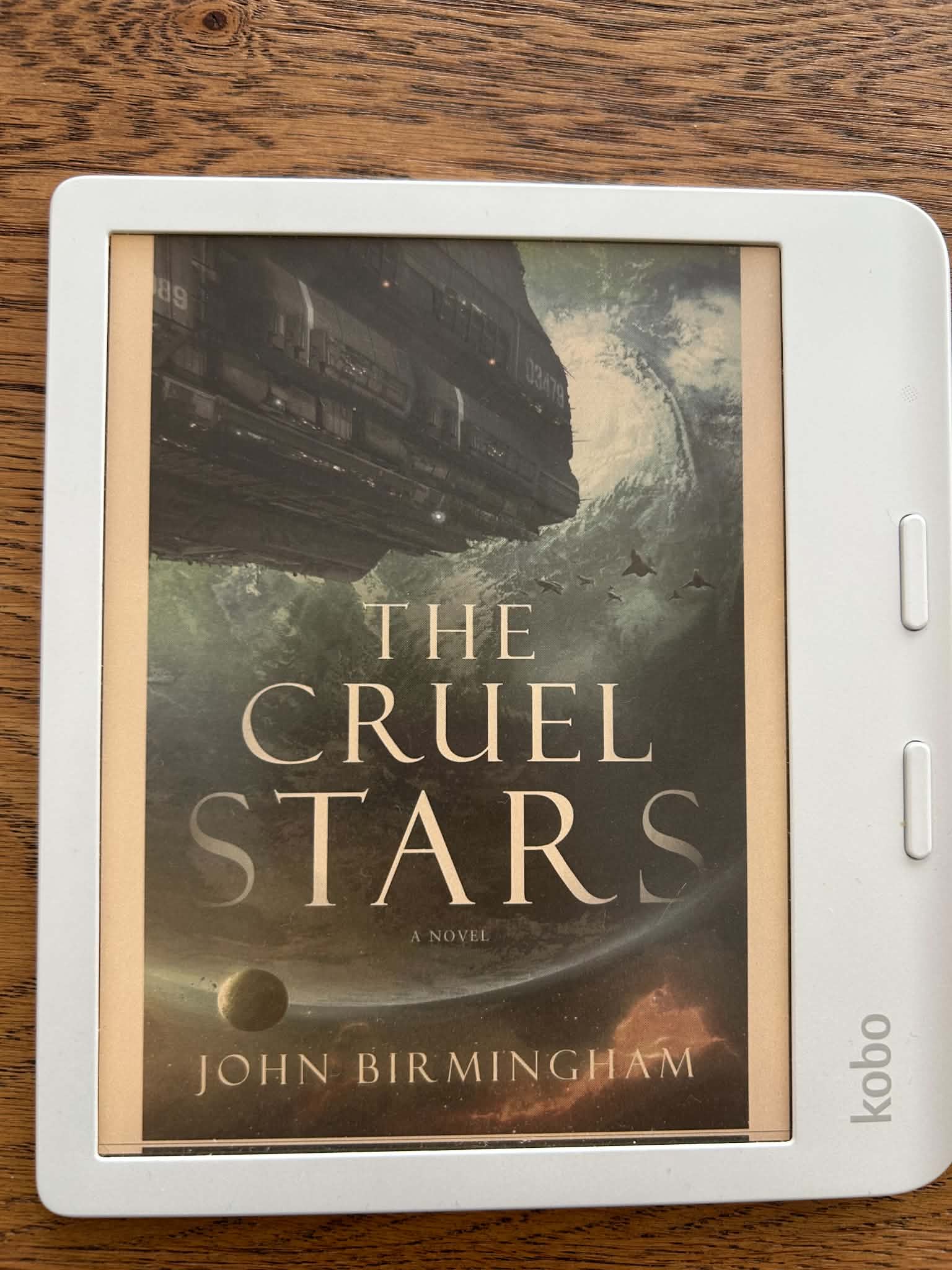
Some parts of the book are amazing, such as the world development, the diversity of characters, the plot, the innovative ideas brought to built this world. On the other hand, it feels all too one-shaded: the characters are caricatures of the personages (the pirate, the courageous, but unsure young captain; the old, competent and irreverent admiral), the antagonists are unilaterally bad (although interest to see some chapters from their perspective). It feel much as in the same unilateral, simplistic line as the Man of War series. https://mikebostan.com/2017/02/05/man-of-war-series-h-paul-honsinger/.
An easy read, not too profound; with an uncomplicated plot, not too refine writing, but with interesting storyline, world and characters.