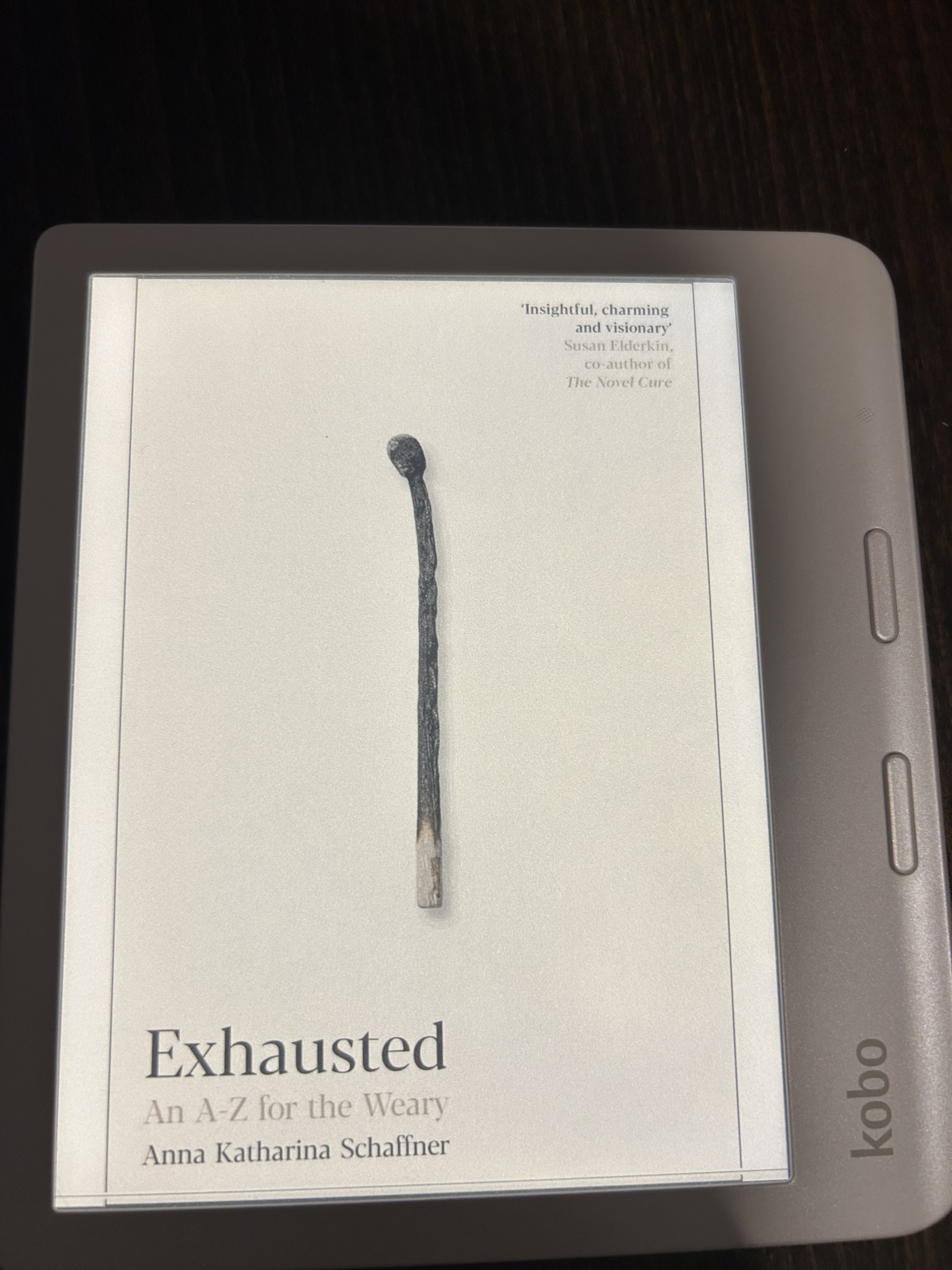
Exhausted: An A–Z for the Weary – Anna Katharina Schaffner

But what can we actually do when we are burnt out? How can we heal? I continue to be struck by the paradox that looms so large at the heart of the debates: the happiness industry pushes individual coping strategies, while research shows that in the vast majority of cases, it is our working environments that are making us sick. The burnout researchers Christina Maslach and Michael P. Leiter identify six main factors causing burnout in organisations: excessive workload, insufficient autonomy, inadequate rewards, breakdown of community, mismatch of values and unfairness. When we experience any of these at work, we are much more likely to burn out. A growing number of healthcare professionals argue that burnout should be reconceived as ‘moral injury’, that it is a result of unbridgeable value clashes, ethical dilemmas and continuous violations of our dignity at work.

This book is about burnout, but goes much further than that, in trying to uplift and broaden reader’s horizons with little histories and gems of wisdom. The book has a very fitting structure, where chapters are in alphabetical order and every chapters is a word, which becomes the topic of that respective chapter. It was an ingenious way to give structure to a book composed of disparate stories.

Exhausted is a great book to read: engaging; well structured; well divided – making easy to read, in 5-10 minutes, a chapter per day; great writing style; interesting stories (e.g., Bartlebly). A superbly written and organized book, with a great title, tag line and cover.
As a drawback, the book is clearly not enough professionally edited, with some extra spaces in some parts.

However, it is a book that makes you think. Anna Katharina Schaffner does not propose any theory or way to get out of a burnout. It does not finish with an action plan. It allows the reader to make it’s own mind about how to move forward. The book just puts in front of the reader the mental pieces so that the reader builds its own road, in its way.

Exhausted does not try to add any significant or overwhelming statistics, it just shows different stories and histories, allowing the reader to chose what it wants.

A great book to read.

The Burnout Society – Byung-Chul Han

Today’s society is no longer Foucault’s disciplinary world of hospitals, madhouses, prisons, barracks, and factories. It has long been replaced by another regime, namely a society of fitness studios, office towers, banks, airports, shopping malls, and genetic laboratories. Twenty-first-century society is no longer a disciplinary society, but rather an achievement society [Leistungsgesellschaft]. Also, its inhabitants are no longer “obedience-subjects” but “achievement-subjects.” They are entrepreneurs of themselves.

The Burnout Society is a philosophical essay calling for humans to, basically, take it easier. Do less, think more. The main message of the book is that the inability to manage negative experiences in a world with too much positivity leads to mental disorders from depression to attention deficit disorder.

The author of the book is the Korean-born German philosopher Byung-Chul Han, who teaches philosophy and cultural studies at Berlin.

Divided into 8 separate chapters, each adopting a separate topic, the book revolves around the pressure to modern individual of the modern society. Why are we so tired and depressed, when we solved, as a society, so many immediate dangers, from illnesses to social safety?

Some chapters I did not like and skipped through, while others where engaging, such as Profound boredom. The chapter had some memorable thoughts: if sleep represents the high point of bodily relaxation, deep boredom is the peak of mental relaxation. A hectic rush produces nothing new, but reproduces what is already available. For example Running is just accelerated walking. Dancing is an entirely new form of motion.

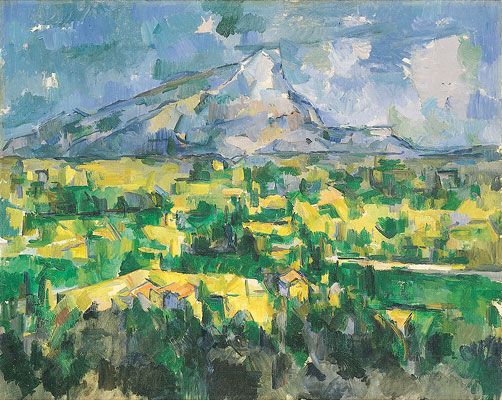
Deep, contemplative attention is inaccessible to the hyperactive ego. Even Nietzsche noted that human life ends in deadly hyperactivity if the contemplative element is taken out. The author takes the example of Paul Cezanne, – who was able to have profound attention (to the landscape).

Another interesting chapter is the one on Vita activa vs vita contemplativa. The message is that we should seek to understand first, before acting. Hyperactivity doesn’t allow free action.

I was not really convinced on the role of contemplation, as reflection felt a better word. In the reflection vs contemplation dichotomy, reflection is active and analytical, while the latter is immersive and passive. What is contemplating without doing?

Overall, the book is intriguing and captures of the main struggles of the modern society. Critics note the fancy language and lack of concrete examples. Supports highlight the depth of thought and the many poignant observations on the pressures of the individual in the modern, atomized, internet-filled and value-missing society.

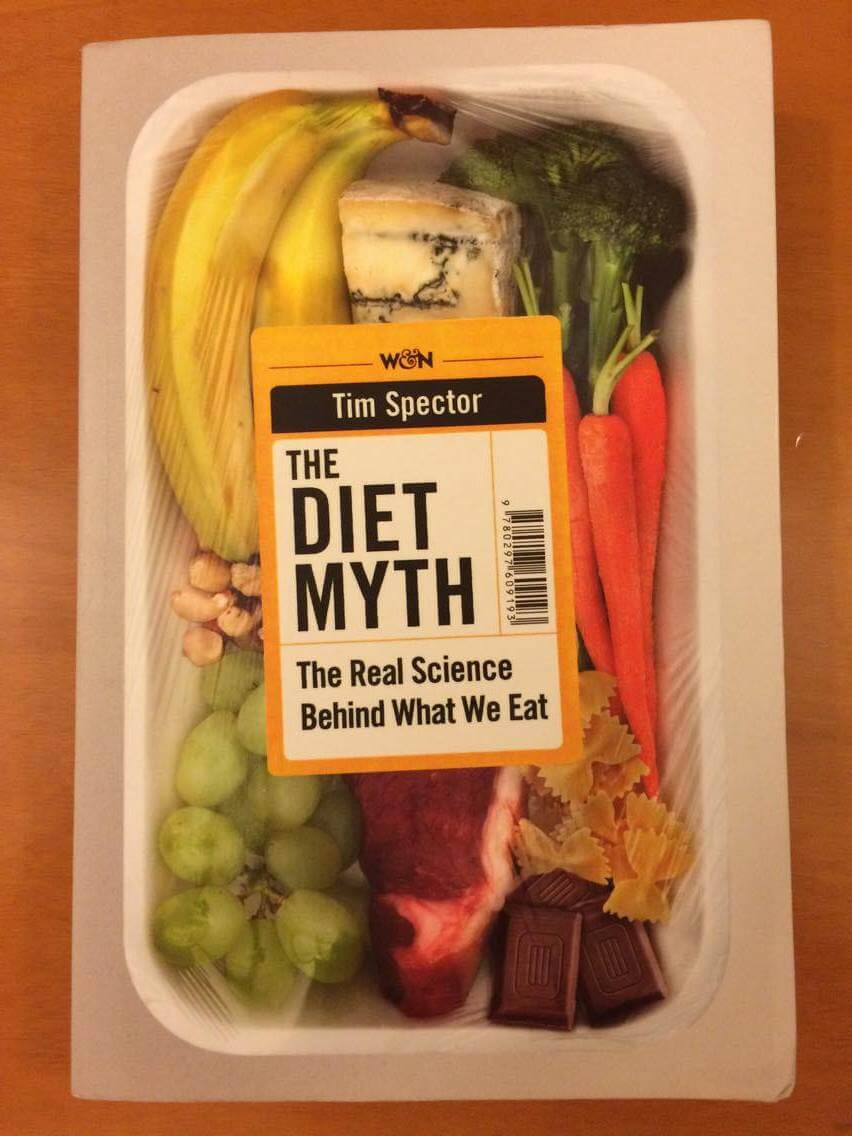
The Diet Myth: The Real Science Behind What We Eat – Tim Spector

A very pleasant surprise was that items I thought were naughty but that I enjoyed immensely, like strong coffee, dark chocolate, nuts, high fat yoghurt, wine and cheese, are actually likely to be healthy for me and my microbes.

There are a lot of books on nutrition, but this one is written by the Director of the TwinsUK Registry, which has detailed data on 11,000 twins. With more than 5,000 pairs, one as variable, one control group, a lot of good research can be made.

A good education in nutrition.

The book talks about the microbes in our guts and how they influence our health. It covers a lot, from fats and sugar, to vitamins and antibiotics. It gave me the impression of a good education in what to eat. The chapter on antibiotics was quite strong.

As many good books show, there is no silver bullet.  Of course, we all know that eating non-refined, mostly plants, not a lot, is good, particularly with some exercise; but beyond this, Dr Spector basically says that we are all different and we should discover our own way.

He puts some thought and presents some research in other areas as well, such as fasting, various type of diets and some really weird experiences.

Overall, the book is also packed with examples of various patients, mainly twins, showing how microbes influence our body and how different we all are, one from the other.

The book is less about demystifying, but about creating a good education on nutritional health…which I can all, but recommend.