Bucate, vinuri si obiceiuri romanesti – Radu Anton Roman

Romanii, forfotind nelinistiti si saraci intre imperii, s-au lasat atrasi în cele mai servile aventuri culinare. Frontiera constanta a unor civilizatii si continente incerte si mobile, mereu amenintati si mereu infometati (poate chiar din cauza vecinatatilor), daco-romano-migratorii au copiat en gros si fara discernamant, sedusi de la prima întâlnire, toate gatelile ce ne-au invadat prin milenii (de obicei gratie unor banale ocupatii sau mode temporare). Asa se face ca, sub titlul emfatic si narcisist de „bucãtãrie româneascã“, gasesti – in carciumi mai ales, fie ele locande de soi sau bombe imposibile – mai toate felurile turcesti, arabe, austriece, grecesti, franceze deseori, rusesti, evreiesti, poloneze ori chiar si altele, de si mai aiurea.

NOTE: I write the review in the language I read the book.

“Bucate, vinuri si obiceiuri romanesti” nu este neaparat o colecție de retete culinare romanesti, un amalgam de altfel, ci o colecție de povesti si istorii. Fiecare reteta are un vin al ei, o licoare pantecoasa sau zglobie, neagra ca Feteasca sau galbena ca Grasa de Cotnari. Am citit cartea intr-un suflu, salivand la poale-n brau si visand la vinurile Vrancei.

Tochitura-moldoveneasca
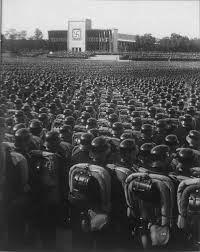
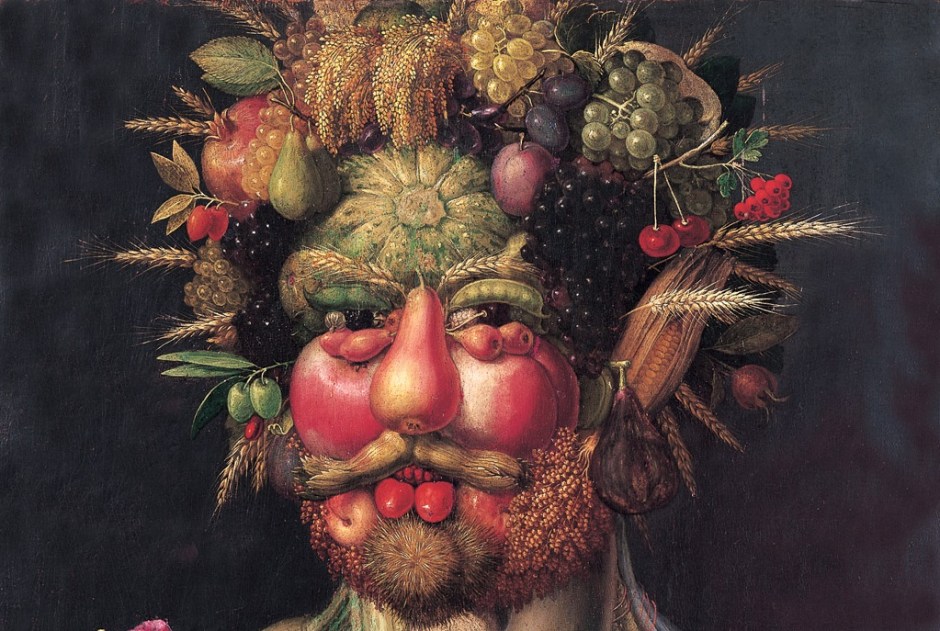
Pacat ca nu am usage rights la nicio poza a lui Radu Anton Roman. Coperta cartii e foarte hazlie. Asa ca am pus o tochitura moldoveneasca. Merge cu o Feteasca Neagra.

Radu Anton Roman emana o incredibila energie pozitiva. Fiecare masa are un suflet al ei. Sincer, omul acesta opreste timpul in loc si iti aduce aminte ce inseamna sa mananci.

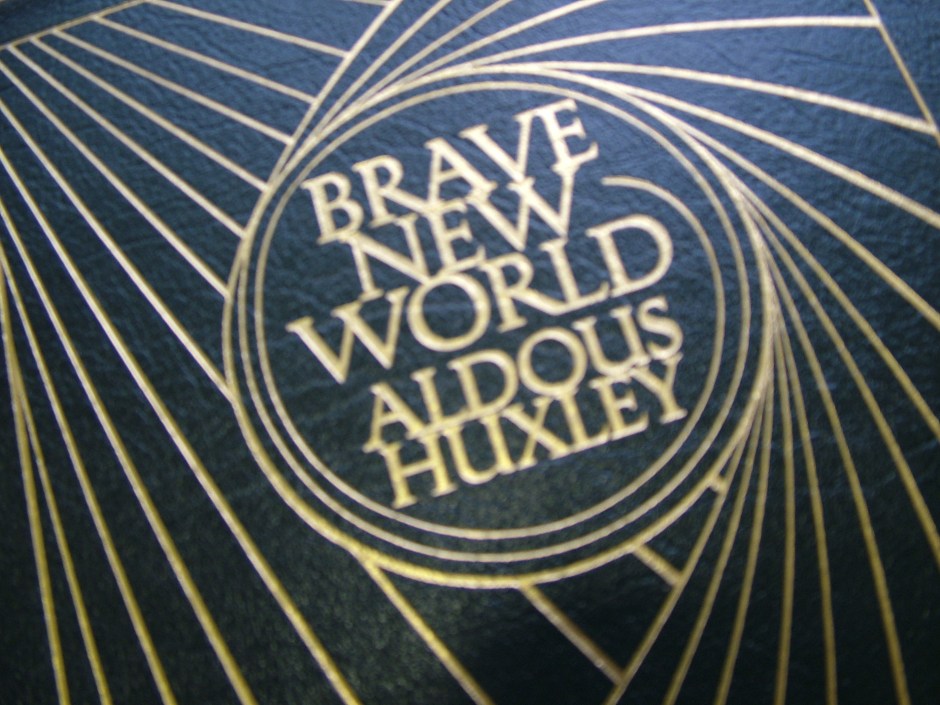
Brave New World – Aldous Huxley

Above them, in ten successive layers of dormitory, the little boys and girls who were still young enough to need an afternoon sleep were as busy as every one else, though they did not know it, listening unconsciously to hypnopædic lessons in hygiene and sociability, in class-consciousness and the toddler’s love-life. Above these again were the playrooms where, the weather having turned to rain, nine hundred older children were amusing themselves with bricks and clay modelling, hunt-the-zipper, and erotic play.Buzz, buzz! the hive was humming, busily, joyfully. Blithe was the singing of the young girls over their test-tubes, the Predestinators whistled as they worked, and in the Decanting Room what glorious jokes were cracked above the empty bottles! But the Director’s face, as he entered the Fertilizing Room with Henry Foster, was grave, wooden with severity.

I read this book as a recommendation from my boss. You can read for free at this link. I was mesmerized, I read the book in just a couple of long nights.

The book was written in 1932, but it seems so contemporaneous, 80 years later. It is a classic, in the same vein as 1984 by George Orwell.

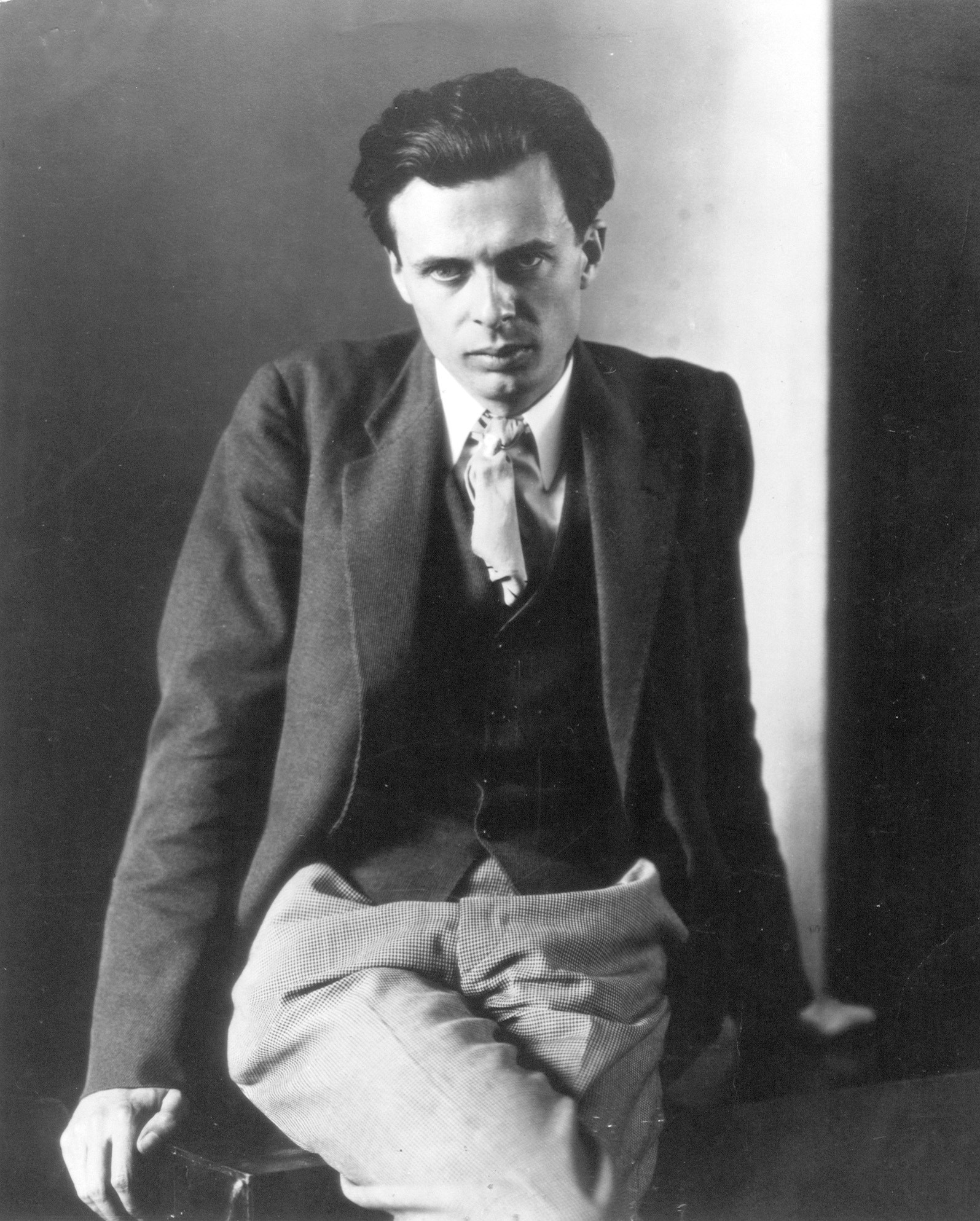
Aldous_Huxley
Would you go in a golden cage? Money, sex, drugs, elitism, but no free will. This is the question that Huxley proposes.

Huxley’s writes about a future dystopia, where genetic engineering, recreational sex, drugs, hypnotic messages and brainwashing create a world were everyone thinks is happy. But this world lacks any deep meaning, no family, religion or art. A system of castes, heavily brainwashed, is ingrained in the texture of society.

The system seems to me very Soviet-like, were science is praised, family and religion is destroyed, but economy can only exists through a system of slavery and elites.

Some can see through the veil, as Bernard, and they are given sanctuary or prison, as you like, in some of the isles. The faults of the society are expressed by the life and dialogue of a men called the Savage, born in a so-called reservation and unwilling to bend to the wrong rules and be brainwashed.

I loved the book because it makes you think, it makes you ask questions. How many people make an opinion by just reading a title of news on Facebook? How many people good in the field, pretend with arrogance knowledge in other fields? How many people go to the original source and skip interpretations? How many people filter the information that comes to them?

In my own field, energy, I see people holding strong views, one way or the other, without knowing too much of how the system works.

It is a book recommended for high school reading in many countries. It makes you think.

Seveneves – Neal Stephenson

The Mining Colony now comprised eight modules, plus an inflatable dome that was attached directly to the asteroid. The robots had spent several weeks welding a three-meter-diameter ring into a circular groove that they had prepared on Amalthea’s surface. The inflatable had been mated to it about a hundred days ago, and filled with breathable atmosphere. It was not quite a shirtsleeves environment, since the asteroid was cold and chilled the air in the dome. And many of the robots’ normal operations produced gases that were toxic, or at least irritating. But that wasn’t the point of having a dome.

Seveneves is a book of what is called hard scifi, a category of science fiction focusing on scientific accuracy and technical detail. Neal Stephenson did a fantastic job in researching and writing this book, which is arguably one of the best scifi in the last years. The technical detail is incredible and the plot is perfectly built and sustained.

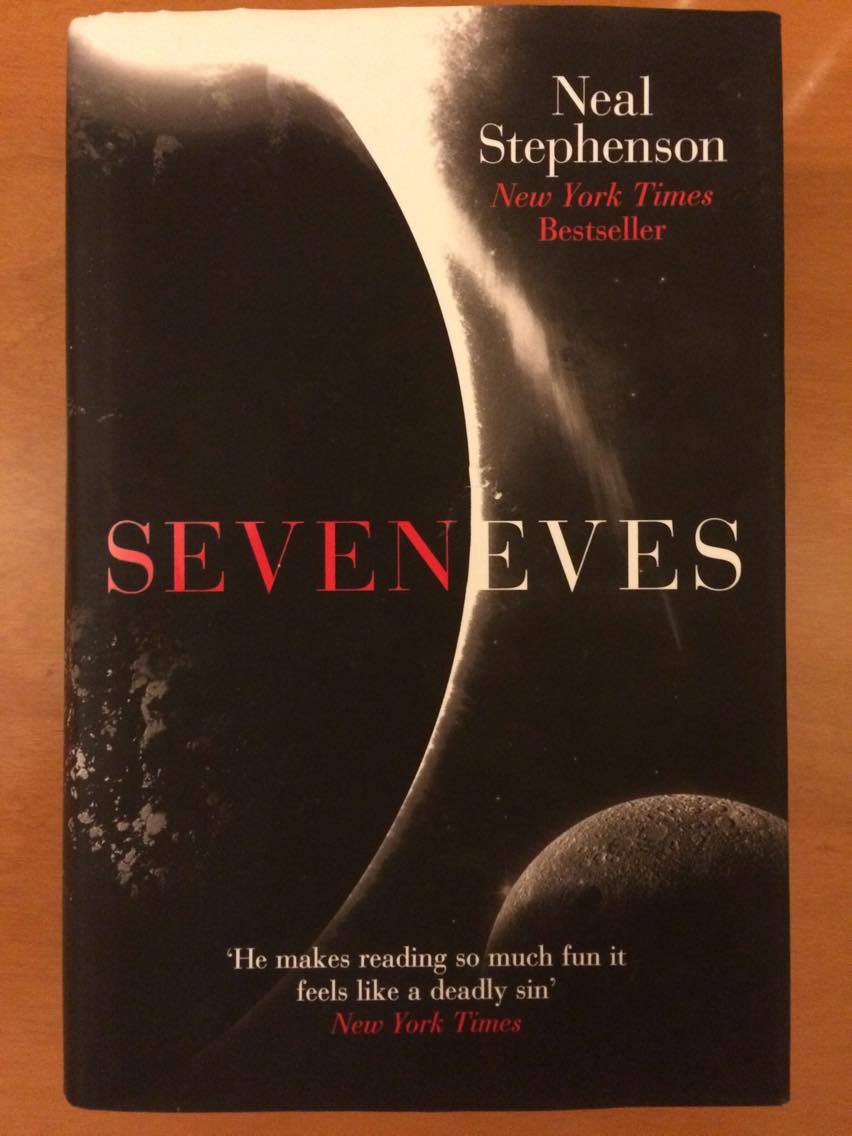
Seveneves1
What will humanity do if we have to leave Earth?

The novel starts with the destruction with the Moon in a cataclysmic event, an action that will destroy life Earth, leaving only the space as a refuge. After this strong hook for readers in the introduction, which kickstarts the entire action, Stephenson brilliantly describes the logical steps that human race takes for its survival. The author pays considerable attention to scientific accuracy, making the book a true voyage of discovery and imagination.

It is also extremely entertaining: the action has great pace, the descriptions are just enough to understand what is happening, the plot leaves the reader guessing what will come next and the personages are truly easily identifiable and memorable. The reader finds out by the last chapters why the novel is called this way.

The book is recommended by both Financial Times and Bill Gates. It’s incredible how you keep wanting to continue, even after more than 800 pages. A masterpiece.

99 francs – Frédéric Beigbeder

[…] Marronnier est un peu fini dans la profession mais à une époque c’était un sacré winner: Lions à Cannes, couverture de Stratégies, V Prix au Club des A.D… Il est l’auteur de plusieurs signatures assez connues: «ET VOUS, C’EST QUOI VOTRE TÉLÉPHONE?» pour Bouygues Telecom, «QUITTE A AIMER LE SON, AUTANT AVOIR L’IMAGE» pour MCM, «REGARDEZ-MOI DANS LES YEUX, J’Ai DIT LES YEUX» pour Wonderbra, «UNE PARTIE DE VOUS-MÊME EN MEURT D’ENVIE, L’AUTRE N’A QU’A FERMER SA GUEULE» pour Ford. La plus connue reste quand même «CAFÉ MAMIE. IL Y A SÛREMENT UN MEILLEUR CAFÉ. DOMMAGE QU’IL N’EXISTE PAS». Putain, ça semble facile mais fallait le trouver, plus c’est simple plus c’est compliqué à débusquer.

Le livre est en français, donc j’écrivais le revue dans la langue du livre que j’ai lu.

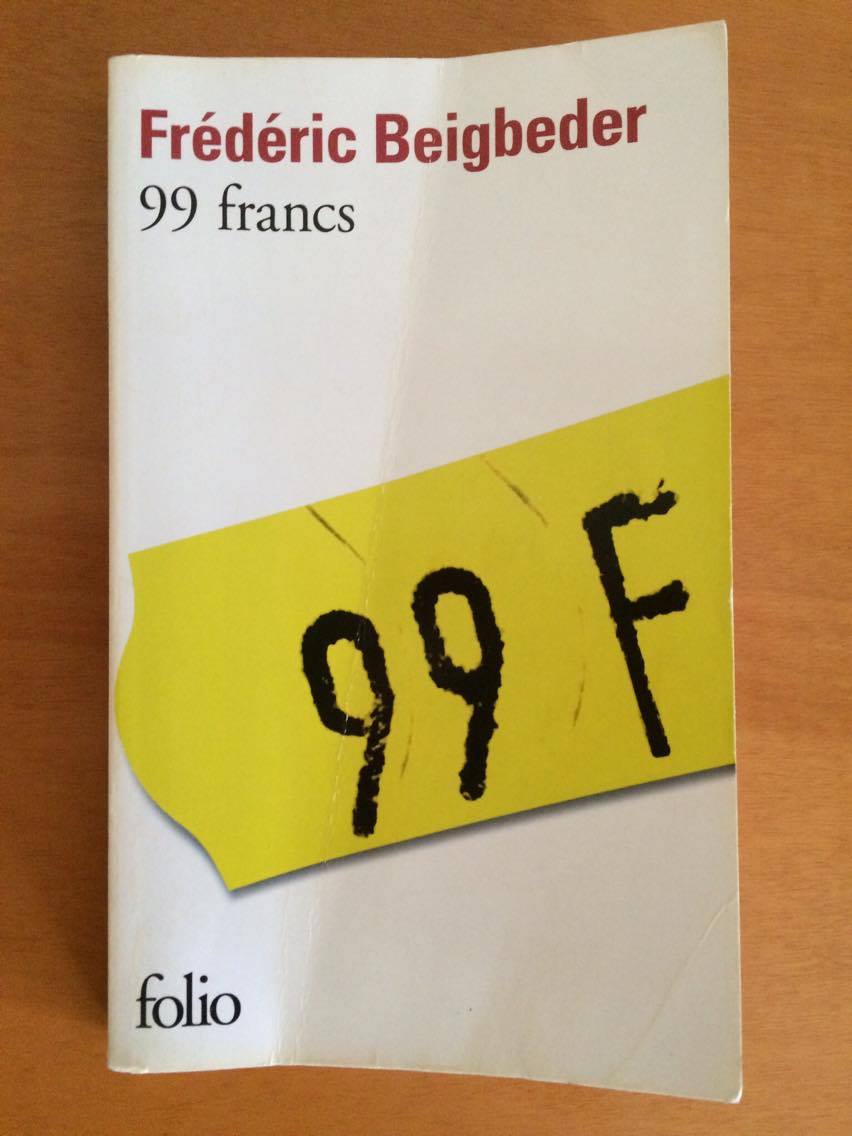
Le roman de flamboyant auteur Frédéric Beigbeder raconte une histoire de décadence dans la société de consommation actuelle, par la suite d’un épisode de la vie d’un directeur de publicité.

99francs
Une roman qui parle de consumérisme et décadence

L’auteur suggère que la publicité pousse les consommateurs à prendre des décisions qu’ils ne veulent pas nécessairement faire. Il se moque des corporations et rit de leur structure, considérée comme hypocrite et perfide. Alors que de nombreux idées socialistes, de gauche, sont clairement dans la veine de roman, la critique ne charge pas l’intrigue.

L’histoire se termine un peu décevant, avec un monde fantastique où les vedettes se cachent. Mais peut-être ca était toute l’idée de roman, je vais vous laisser découvrir.


Earth Strike – Ian Douglas

CIC, TC/USNA CVS America

Outbound, Eta Bootis System

2025 hours, TFT

The Spirit of Confederation reports she is taking very heavy fire, Admiral,” Hughes told him. “Damage to aft shields, damage to primary broadside weapons, damage to two of three hab modules. Fire control is down.”

Koenig was watching the Confederation‘s struggle on a secondary tactical display, which was relaying the camera view from a battle drone pacing the retreating ships. Straight-edged patches of blackness kept popping on and off along the battleship’s length, responding to incoming fire. One set of aft shields was flickering on and off alarmingly, threatening complete failure. Several sections of her long, thin hull had been wreaked by energies leaking through the shields. The damage was severe, but she continued to fire back.

Earth Strike is the first part of the trilogy Star Carrier, by Ian Douglas. The book presents the war between humans and an alien species, some 400 years from now. The mysterious aliens have the upper hand in technology and intelligence, but humans have some stunning come-backs.

Ian Douglas presents two episodes of this war, following three main characters: Lieutenant Trevor Grey, pilot of a Starhawk (kind of fight plane in space), Commander Marissa Allyn, the wing leader and Admiral Alexander Koenig, commanding America, a large starship, equivalent of a carrier.

Earth Strike
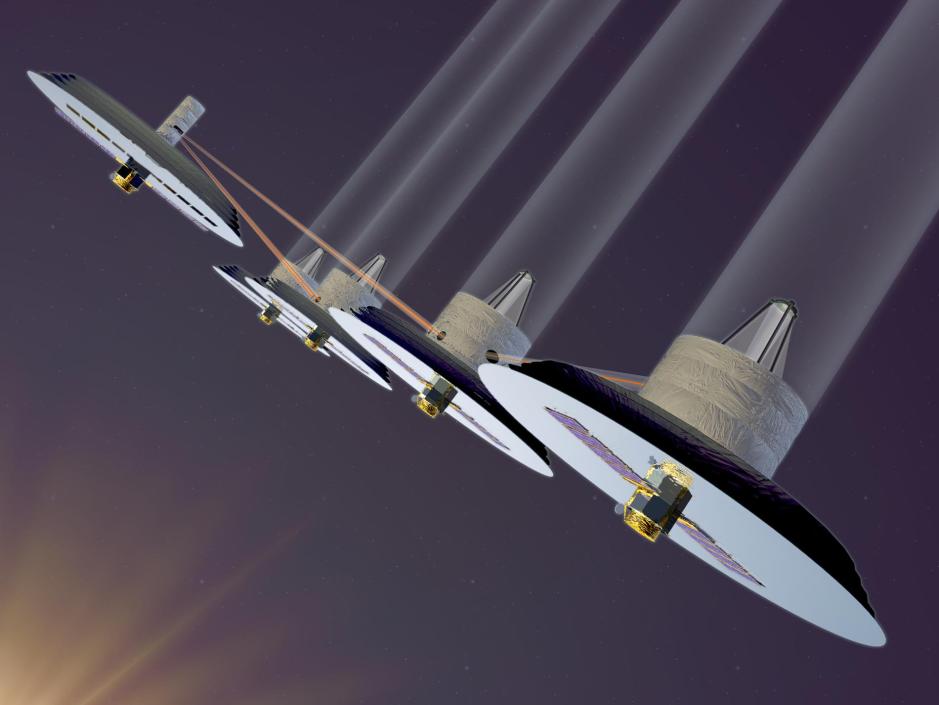
Starhawks leaving the carrier.

Their narratives interweave with the star carrier and the fight against the aliens, offering three different perspectives of the war. Koenig’s story presents a hawk’s eye vision, the grand scale of the war; Allyn’s plot is more tactical, allowing chapters busting with fast paced action; while Grey’s inner demons and questions beautifully describe the situation from the common man’s perspective.

The stories intertwine flawlessly, the pace of the plot is just right, the questions don’t seem out of the ordinary and the plot is believable and progresses entertainingly. The book doesn’t have the impressive science background of books such as Seveneves or Aurora, but as a military scifi, is full of action and credible.

There is no wonder that the book by Ian Douglas was well-received by readers and fans of the genre. It is sometimes rough on the edges, but it keeps the reader entertained and wondering what will happen next. A good piece of writing.

Colonization: Second contact – Harry Turtledove

Atvar was glad to return to Australia. It was late summer in this hemisphere now, and the weather was fine by any standards, those of Home included. Even in Cairo, though, the weather has been better than bearable. What pleased him more was how far the colony has come since his last visit.

“Then, all we had were the starships,” he said to Pshing. “Now look! A whole thriving city! Streets, vehicles, shops, a power plant, a pipeline to the desalination center-a proper city for the Race.”

“Truth, Exalted Fleetlord,” his adjutant replied. “Before very much longer, it will be like any city back on Home.”

This is the first book that I review after an exchange of books with a friend.

The book presents an alternate fictional history on Earth in the 1960s, when the world, finally at peace, is divided between a species of lizard-like aliens and several human world powers. The World War II was interrupted by the alien invasion, leaving the Third Reich, the Soviet Union and the United States as the leading human powers on Earth. Instead of fighting each other, they had to fought the aliens, loosing all the South, including Australia, South America, all Africa and parts of Middle East.

The book is the first in a series (Colonization), that follows a very successful tetralogy (Wordwar) where the fights between human powers are the aliens are described, during the World War II.

In Second Contact, the alien colonisation ships arrive, in the hundred of millions, creating a huge challenge for humans. Some revolt, but only the United States seems to do something, in space, which will find out in the second book of the series.

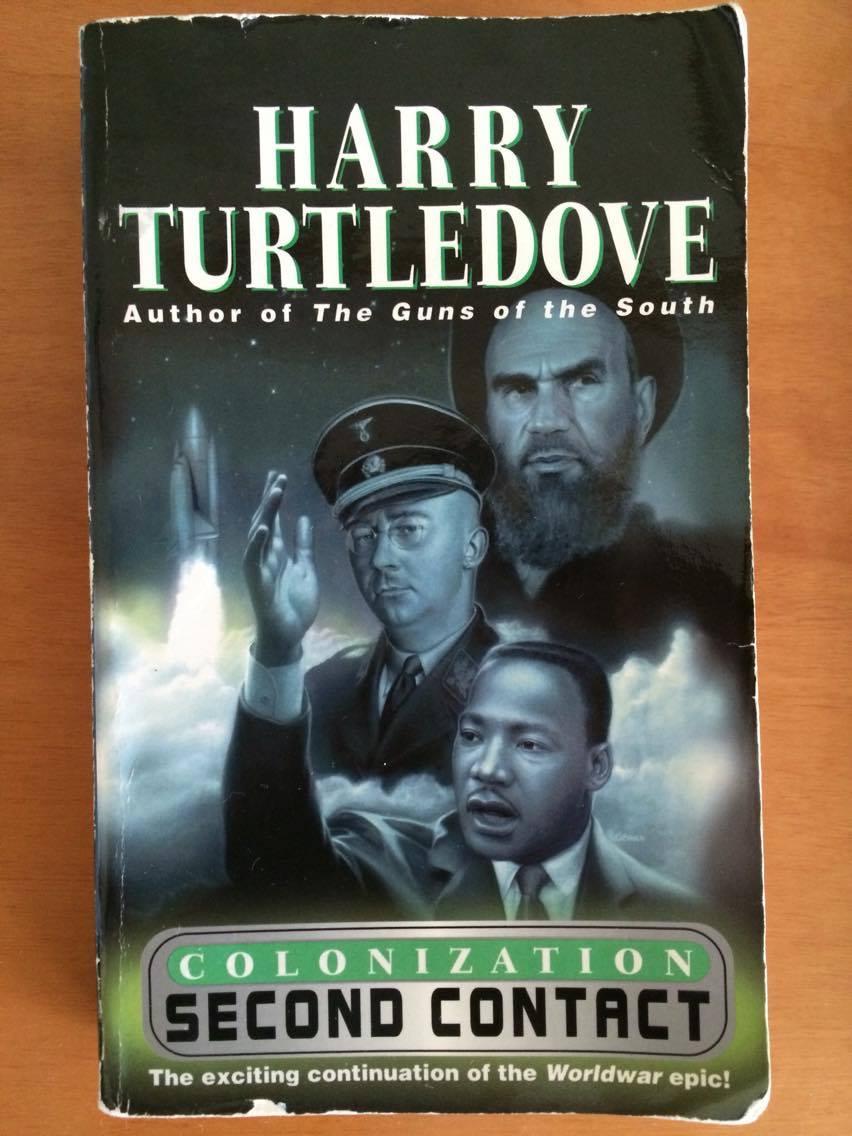
ColonizationSecondContact
Are we alone in the universe?

The author patiently develops the stories and the characters, which come from all the regions, races and powers. Here we can see the Fleet Lord Atvar, the alien traitor, the life of a Jew in Alien-occupied Poland, the struggle of the communist Chinese for liberty against the Aliens and many other interlinked stories. While the stories and characters are numerous, they are easy to follow and understand. Turtledove beautifully reconstructs life after war. The pace of the book is slow, with many dialogues and character development situations, and the plot moves accordingly, leaving the impression that not much is happening. It seems that the book mostly prepares the ground for the series, rather than presenting a story, because many of the plot lines remain open.

An entertaining book to read for the fans of alternative history; definitely not-action packed, but carefully written, with good historical research.

Autobiography – Alex Ferguson

I made an error at half-time. I was still focusing on winning the game and told Rooney he needed to keep running into those gaps behind the full-backs. “We’ll win the game if you keep doing that”, I urged him. I forgot the big issue with playing Barcelona. So many of their games were effectively won in the first 15 minutes of the second half. I should have mentioned that to my players. I might have been better asking Park to mark Messi for the first 15 minutes and pushing Rooney wide left. If we had employed those tactics, we might just have sneaked it. We would still be able to counter-attack.[…]

Alex Ferguson, the legendary manager of Manchester United, tells the story of his successes. He talks about his teams and players, Beckham, Rio Ferdinand, Keane, Van Nistelrooy, Rooney and, of course, Cristiano Ronaldo. He presents rival teams and coaches, such as Liverpool and Barcelona, Mourinho and Wenger.

Ferguson recalls with great clarity the big games and transfers he made over the years. The reader can see that he developed a plan for the long term, but it was not without mistakes.

Alex_FergusonAutobiography
An inspiration for long term planning

He presents, for example, the after-training of great players, like Ronaldo and Giggs, who took great care of their bodies, lengthening their football careers. He shows how players grow, perform and then have to leave the team. It is not always about tactics, but also human psychology, dealing with powerful personalities, young players in their teens, reliable players that had to go.

The United coach mentions “confidence” a lot , players with confidence will fight further, perform and recover after disasters.

While his successes, players and rivalries will fade over time, his advice, ranging from player scouting, politics and media handling to player psychology and long term team planning, remain a lesson for life.

Presentation Thinking and Design – Ed Gruwez

It is also important to remember the principles of the working memory:

  • Ask for, and hold, your audience’s attention.
  • Make your message easy to understand by limiting its cognitive load.
  • Fix your message in your audience’s mind through repetition, stories and the use of sensory detail. (Presentation thinking and design)

How many times you cursed your days and the speaker for the most insipid, unreadable and tedious presentation that has ever seen the light of a projector?

There are so many tips floating around, just at the fingertips of an Internet research. Why do people do not read them, even the top 5?

Presentation design
Book cover, the inside full of notes

Ed Gruwez shows the basics of creating interesting and memorable presentations. While nothing the author presents is totally new, he puts forward a clear structure, where indeed, the message and the inner logic of the presentation is more important than the fluffy part.

The book comes also with a sum of examples and tips that help create better presentations, quicker. For example, would you delete a slide you worked for2 hours, despite the fact that brings only unrelated information? This is why is better to put the outline of the presentation first on paper, rather than jumping on creating the slides.

Ed (Edouard) Gruwez specializes in presentation thinking and design, and works as Managing Director of “Ogilvy Internal Communications”.

If you know you will do presentations in your lifetime, where you have to deliver a message, this book is helpful. It is easy to read and follow, and you can learn something useful after browsing it for only two minutes.

Duty – Robert Gates

I concluded by saying that the SEALs in the room truly gave meaning to George Orwell’s observation that “people sleep peaceably in their beds at night only because rough men stand ready to do violence on their behalf.”

[…]Lessons learned from the disaster in Iran in 1980 led to the creation of the Joint Special Operations Command and development of the training and equipment that undergirded the success at Abbottabad. In 1986, as deputy director in charge of analysis at CIA, I agreed to provide more than a dozen analysts to the new Counterterrorism Center in the clandestine service, an unprecedented and controversial assignment of analysts to help inform and plan counterterrorist operations. […] (Duty)

In a surprisingly open and detailed memoirs book, Robert Gates, the former U.S. Secretary of Defense, unveils his struggles and challenges while leading the U.S. Military in two wars, in Iraq and Afghanistan.

Obama_and_Biden_await_updates_on_bin_Laden
Gates, on the left, during Operation Neptune Spear, that killed bin Laden.

The ex CIA Director reveals the strings between the Pentagon, the Congress, the White House and the Joint Chiefs, within two administrations, Bush 43 and Obama. A lengthy volume that hides candid comments and many gems of wisdom. A great read.

The Chimp Paradox – Steve Peters

Whenever you want to stop the Chimp, always actively slow your thinking down. This will work in ALL situations. It is another excellent way to manage the Chimp (The Chimp Paradox).

TheChimpParadox
The book cover of a thoroughly read book

The Chimp Paradox is a great book on human psychology, written with the intent to explain how the mind and the psychological processes work.

Dr. Steve Peters is a psychiatrist, particularly involved in sports. He worked with the British cycling team (14 medals at the Beijing Olympics, while Peters was mental coach), with the snooker champion Ronnie O’Sullivan (helping him win his 4th and 5th World Snooker titles), with the football club Liverpool F.C and with the England National Football Team.

The author talks about self-motivation, happiness, understanding and dealing with others. But most of all, the book is about patience. We all have a chimp inside, strong and taking childish decisions. The book teaches how to deal with our and others’ chimp, in a fascinating journey through human psychology.