Presentation Thinking and Design – Ed Gruwez

It is also important to remember the principles of the working memory:

  • Ask for, and hold, your audience’s attention.
  • Make your message easy to understand by limiting its cognitive load.
  • Fix your message in your audience’s mind through repetition, stories and the use of sensory detail. (Presentation thinking and design)

How many times you cursed your days and the speaker for the most insipid, unreadable and tedious presentation that has ever seen the light of a projector?

There are so many tips floating around, just at the fingertips of an Internet research. Why do people do not read them, even the top 5?
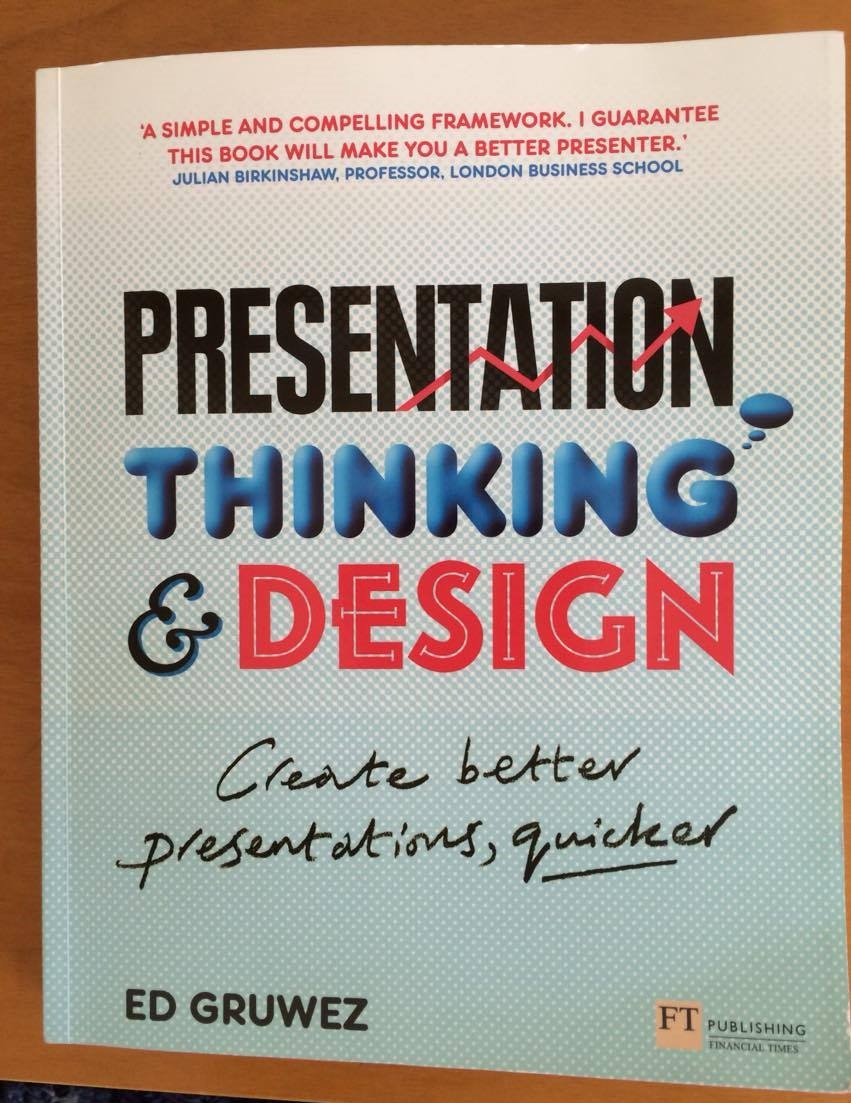
Presentation design
Book cover, the inside full of notes

Ed Gruwez shows the basics of creating interesting and memorable presentations. While nothing the author presents is totally new, he puts forward a clear structure, where indeed, the message and the inner logic of the presentation is more important than the fluffy part.

The book comes also with a sum of examples and tips that help create better presentations, quicker. For example, would you delete a slide you worked for2 hours, despite the fact that brings only unrelated information? This is why is better to put the outline of the presentation first on paper, rather than jumping on creating the slides.

Ed (Edouard) Gruwez specializes in presentation thinking and design, and works as Managing Director of “Ogilvy Internal Communications”.

If you know you will do presentations in your lifetime, where you have to deliver a message, this book is helpful. It is easy to read and follow, and you can learn something useful after browsing it for only two minutes.
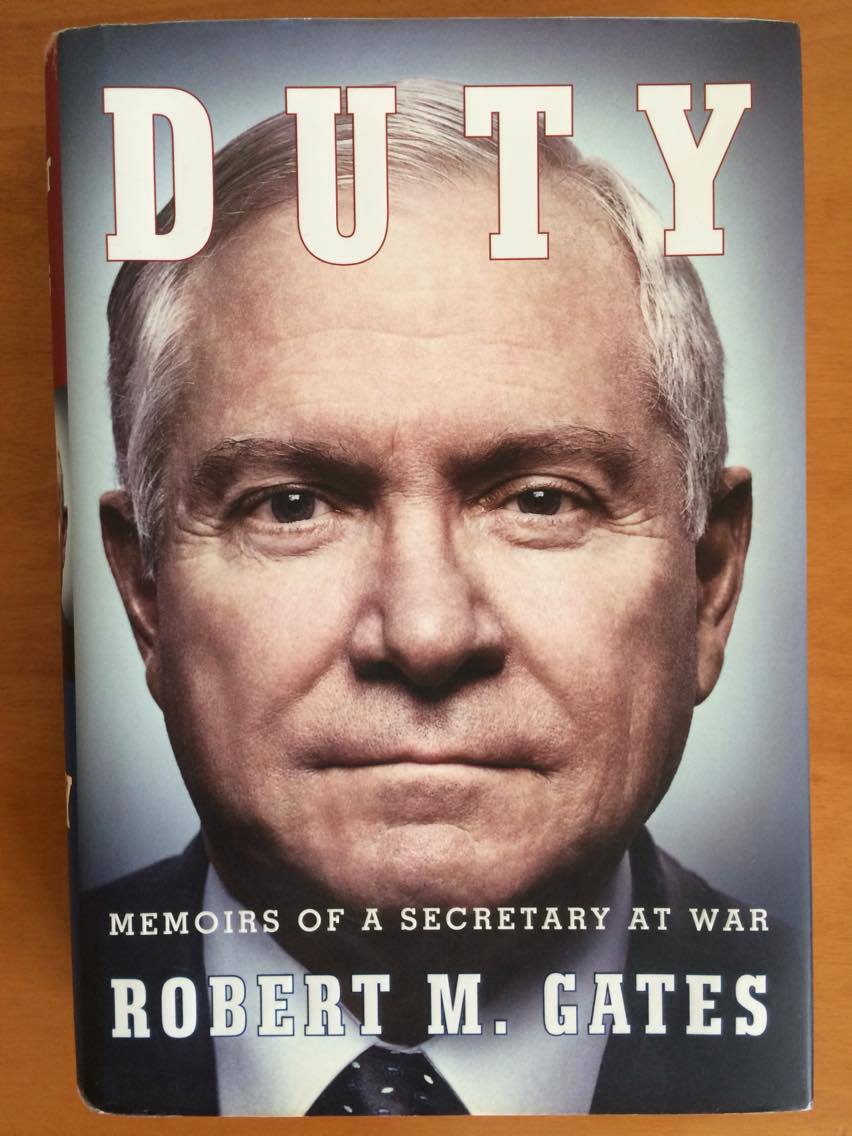
Duty – Robert Gates

I concluded by saying that the SEALs in the room truly gave meaning to George Orwell’s observation that “people sleep peaceably in their beds at night only because rough men stand ready to do violence on their behalf.”

[…]Lessons learned from the disaster in Iran in 1980 led to the creation of the Joint Special Operations Command and development of the training and equipment that undergirded the success at Abbottabad. In 1986, as deputy director in charge of analysis at CIA, I agreed to provide more than a dozen analysts to the new Counterterrorism Center in the clandestine service, an unprecedented and controversial assignment of analysts to help inform and plan counterterrorist operations. […] (Duty)

In a surprisingly open and detailed memoirs book, Robert Gates, the former U.S. Secretary of Defense, unveils his struggles and challenges while leading the U.S. Military in two wars, in Iraq and Afghanistan.

Obama_and_Biden_await_updates_on_bin_Laden
Gates, on the left, during Operation Neptune Spear, that killed bin Laden.

The ex CIA Director reveals the strings between the Pentagon, the Congress, the White House and the Joint Chiefs, within two administrations, Bush 43 and Obama. A lengthy volume that hides candid comments and many gems of wisdom. A great read.

The Chimp Paradox – Steve Peters

Whenever you want to stop the Chimp, always actively slow your thinking down. This will work in ALL situations. It is another excellent way to manage the Chimp (The Chimp Paradox).

TheChimpParadox
The book cover of a thoroughly read book

The Chimp Paradox is a great book on human psychology, written with the intent to explain how the mind and the psychological processes work.

Dr. Steve Peters is a psychiatrist, particularly involved in sports. He worked with the British cycling team (14 medals at the Beijing Olympics, while Peters was mental coach), with the snooker champion Ronnie O’Sullivan (helping him win his 4th and 5th World Snooker titles), with the football club Liverpool F.C and with the England National Football Team.

The author talks about self-motivation, happiness, understanding and dealing with others. But most of all, the book is about patience. We all have a chimp inside, strong and taking childish decisions. The book teaches how to deal with our and others’ chimp, in a fascinating journey through human psychology.

Sources of electricity – solar

Solar energy is a plentiful energy source, radiance energy coming from sun is at the order of 85,000 to 120,000 TW, while current world energy consumption is around 18 TW (IEA, Key Energy Statistics, 2014; Coimbra, Photovoltaic and Photothermal Energy Production: Future of Energy, 2014).

For electricity, solar energy technologies are broadly divided into photovoltaic cells (direct PVs) (direct conversion to electricity: photons to electrons); solar thermal power (using heat, also known as concentrated solar power) and other technologies (solar Stirling engines etc.).

Conventional PV cells have a very low efficiency, only 20%, but multi-junction cells, which absorb photons from different parts of the solar spectrum have efficiencies around 40% (however, they are 100 times more expensive than conventional PV cells).

Solar thermal power has an intermediary step, where solar energy is transformed first into thermal energy than into electrical energy. Mirrors can heat either a central liquid transforming it into steam or a working fluid, usually a high-temperature oil, in small tubes.

The biggest problem with solar energy is its variation, season to season, day to day, morning to evening. Daily variations can be somewhat balanced because daily electricity consumption roughly coincides with higher solar radiance, however storage is a must for long term development of the technology (Coimbra, Photovoltaic and Photothermal Energy Production: Future of Energy, 2014).

The Uncharted Path – Lee Myung-Bak

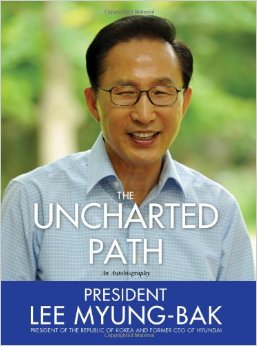
The Uncharted Path is the autobiography of the former CEO of Hyundai, mayor of Seoul and president of Korea, Lee Myung-Bak.

The Uncharted Path
An amazing from rag to riches story

It is seems an almost unbelievable life trajectory, but he actually achieved all that. His career mirrors in a way the values and the success of South Korea.

A rag to riches story, a story of gratitude, optimism and self-sacrifice that shows the power of perseverance and hard work. A truly life inspiration and brilliant read.


Panzer Leader – Heinz Guderian

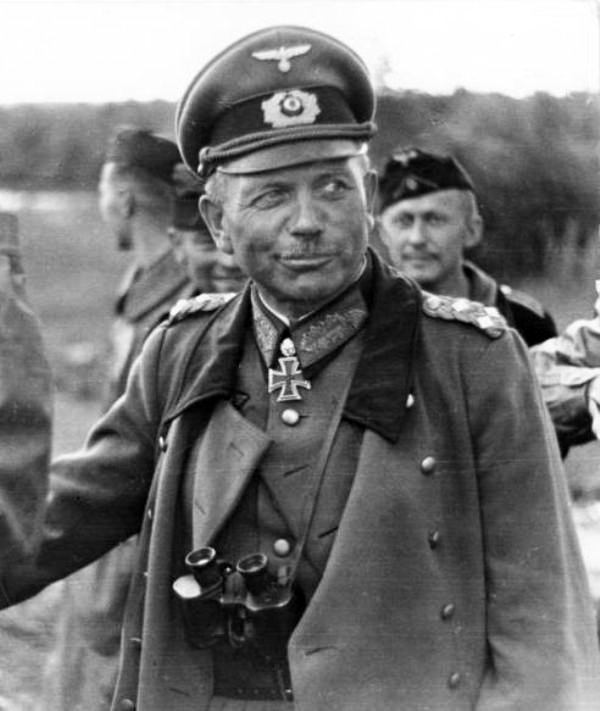
Half memoirs, half military tactics, the book offers a glimpse into the mentality of Heinz Guderian, the brilliant tank general of the Nazi Germany.

Guderian shows how he developed and organized the Panzer corps, his campaigns during the Second World War and the key relations between Nazi party members. Very little is described of his personal life, the vast majority of the book being on his professional military career.

Bild 101I-139-1112-17
General Guderian on the front

The general is revealed as an intelligent, professional soldier, doing his best in the given conditions. A pure tactician, he stayed away from the political intrigues, unlike Rommel, which maybe saved his safe.

The careful written book has a fast pace, the story of the war flows smoothly and the overall logic of the motivations seems to hold, making it a quick and enjoyable read, particularly for the war and history fans.

The 5th Wave – Rick Yancey

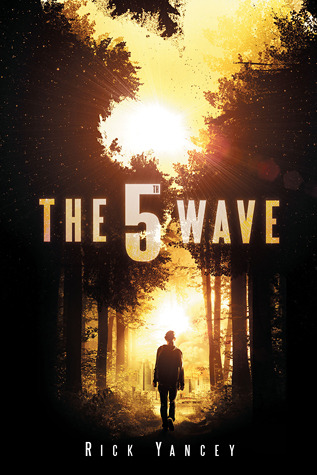
Lately I am sliding towards sci-fi, so I quickly finished the first book of the Fifth Wave trilogy by Rick Yancey. The 5thwaveWhilst I am not totally convinced to buy the rest, I liked the story, the plot twists, the protagonists. A bit focused towards adolescents, which I found an unnecessary addition to the overall believable and well-thought scenario.

Sources of electricity – wind

Wind energy tapes the Earth’s winds to create electricity through wind turbines. Wind turbines can be HAWTs (Horizontal-Axis Wind Turbines), widely used, or VAWTs (Vertical-Axis Wind Turbines). VAWTs are designed to be used mainly within urban areas. The turbines can be deployed onshore (on land), producing cheaper electricity or offshore (near cost), producing more reliable electricity.

A wind turbine uses the inflow of wind to activate the blades and the rotor. They spin the main shaft and gearbox, which spin the generator, producing electricity. Blades work basically like a reversed airplane wing.

The design of a wing facilitates lift, while the wind turbine blade facilitates push, with the most important part (and most expensive materials) at the top of the blade, because most of the aerodynamic loading is created there. The blade is made of fibreglass (cheaper than aluminium, with similar structural resistance).

The rotor assembly is the main focus now for improving the turbine (Bazilevs, Wind Turbines: Future of Energy, 2014).

Sources of electricity – oil

Oil or petroleum was once a key player in the electricity sector, but now it is used only marginally, usually as back-up reserve in diesel generators for major consumers, such as factories, hospitals, airports or as an electricity source in islands (for example in Greece).

Oil lost its share because of price, it is far more expensive to burn oil than burning coal or gas.

Merits of oil include high energy density, easy to transport and very stable composition, remaining liquid in most climatic conditions. Drawbacks of oil are price are environmental concerns (Webber, 2014).