Glory Main – Henry O’Neil

Both sides possessed weapons that could blow a planet’s atmosphere right off or radiate the place so badly that no one could live there, but the goal of gaining a habitable planet took those weapons off the table. Instead it set the engineers from both sides working on devices that delivered their terrible effect but didn’t permanently alter the ground where they were used.

The tech had become visibly disturbed when he reached the logical conclusion that the limited war calculus would no doubt be dropped the day either side found the enemy’s home planets.

The book is a survival story during the Sim war, a war between humans and similarly-looking aliens. Lieutenant Mortas and three others crash on a desolate planet and fight to survive.
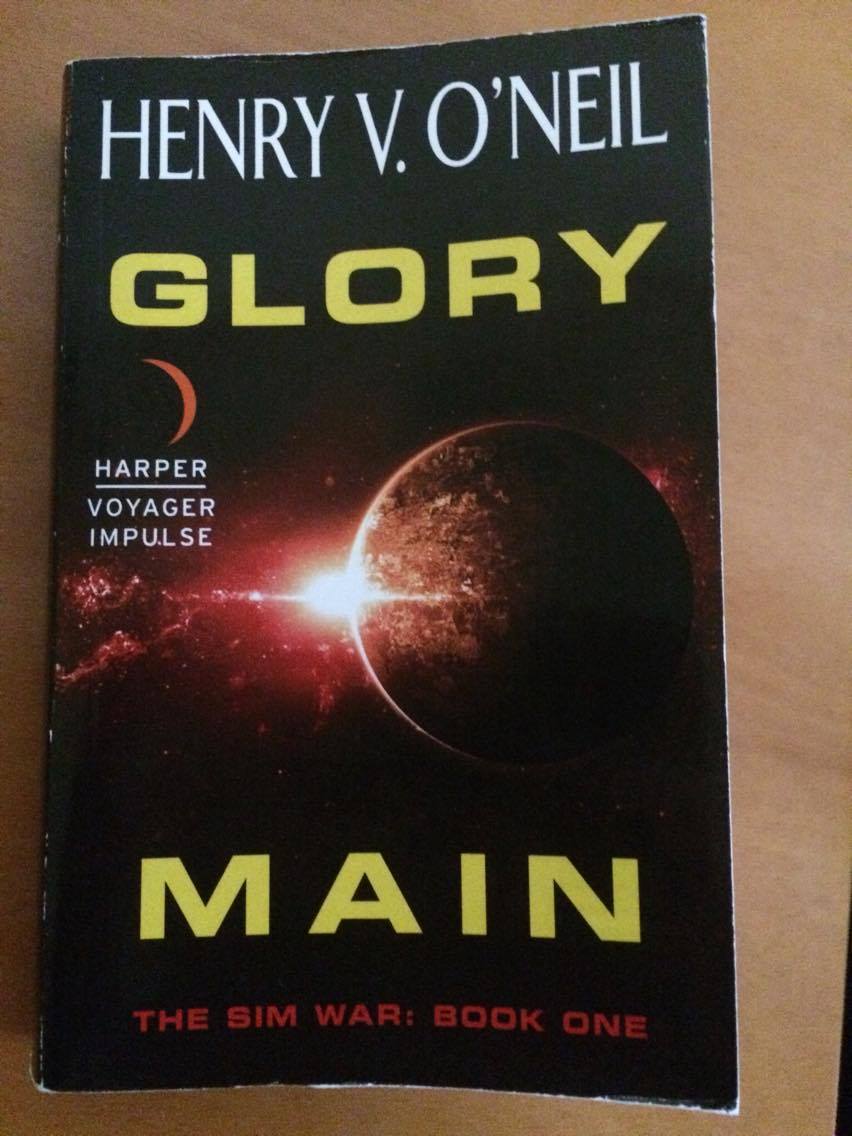
sim-war1
Survival scifi, could have used more imagination.

The four characters are nicely constructed, the infantryman, the scout, the tech and the psychoanalyst, and their struggle is believable and interesting. While less action-packed than other series, the pace of the story is fast enough to keep the reader engaged. The plot is nicely constructed with many twists and turns. The end is fantastic and unexpected. An original military sci fi overall.

The survival story could have been better developed and more imaginative, but it was interesting enough to keep the reader engaged. The narrative is focusing rather on characters then on the surroundings or the events. Nonetheless, it was a pleasure to follow the four in their fight.

A nice read for the fans of the genre.
Starship Troopers – Robert Heinlein

The strategy was simple, and, I guess, logical… if we could afford the losses. Let the Bugs come up.
Meet them and kill them on the surface. Let them keep on coming up. Don’t bomb their holes, don’t gas their holes — let them out. After a while — a day, two days, a week if we really did have overwhelming force, they would stop coming up. Planning Staff estimated (don’t ask me how!) that the Bugs would expend 70 per cent to 90 per cent of their warriors before they stopped trying to drive us off the surface.
The book by Robert Heinlein was written in 1959, but it still has a futuristic flavour. It tells the story of the war with the Bugs, an arachnid-like alien species, sometime in the future of humankind.
It uses a first-person narrative to follow the tale of a soldier, gradually increasing in ranking, as the war progresses. Much of the book is taking place during his military training, which gives the opportunity to discuss many political ideas.
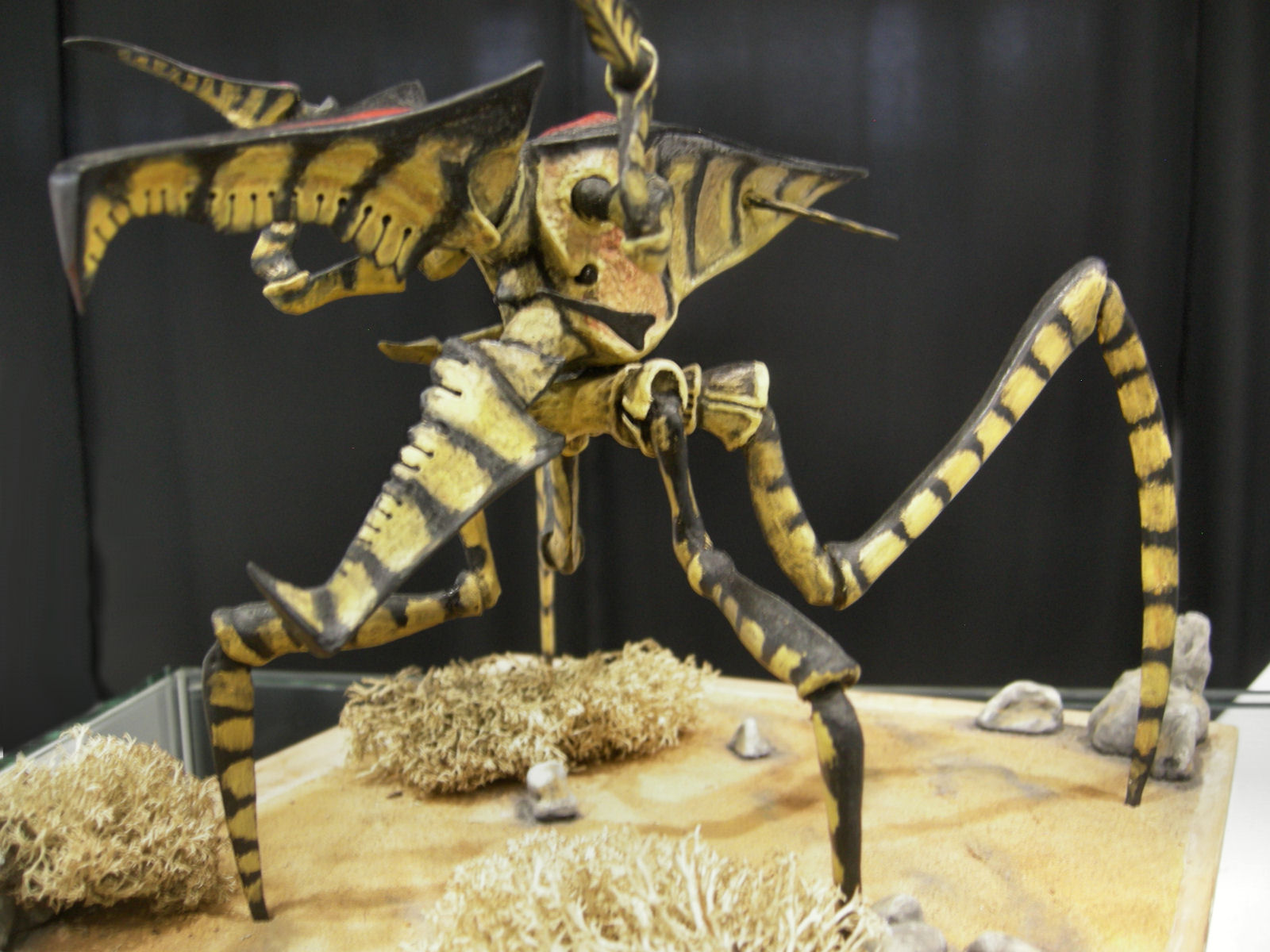
starship_troopers_miniature
Warrior bug, from the first movie.

The book basically started the military scifi genre. It has numerous ideas very advanced for their time: racial diversity, starship drives, power suits.

The first movie (1997) is quite different than the book, more action-packed and less intellectually engaging.
Overall, the novel offers an immersive lecture and an interesting storyline, where the author uses the background of war and the progress of a space marine to propose some political ideas.

Earth Strike – Ian Douglas

CIC, TC/USNA CVS America

Outbound, Eta Bootis System

2025 hours, TFT

The Spirit of Confederation reports she is taking very heavy fire, Admiral,” Hughes told him. “Damage to aft shields, damage to primary broadside weapons, damage to two of three hab modules. Fire control is down.”

Koenig was watching the Confederation‘s struggle on a secondary tactical display, which was relaying the camera view from a battle drone pacing the retreating ships. Straight-edged patches of blackness kept popping on and off along the battleship’s length, responding to incoming fire. One set of aft shields was flickering on and off alarmingly, threatening complete failure. Several sections of her long, thin hull had been wreaked by energies leaking through the shields. The damage was severe, but she continued to fire back.

Earth Strike is the first part of the trilogy Star Carrier, by Ian Douglas. The book presents the war between humans and an alien species, some 400 years from now. The mysterious aliens have the upper hand in technology and intelligence, but humans have some stunning come-backs.

Ian Douglas presents two episodes of this war, following three main characters: Lieutenant Trevor Grey, pilot of a Starhawk (kind of fight plane in space), Commander Marissa Allyn, the wing leader and Admiral Alexander Koenig, commanding America, a large starship, equivalent of a carrier.

Earth Strike
Starhawks leaving the carrier.

Their narratives interweave with the star carrier and the fight against the aliens, offering three different perspectives of the war. Koenig’s story presents a hawk’s eye vision, the grand scale of the war; Allyn’s plot is more tactical, allowing chapters busting with fast paced action; while Grey’s inner demons and questions beautifully describe the situation from the common man’s perspective.

The stories intertwine flawlessly, the pace of the plot is just right, the questions don’t seem out of the ordinary and the plot is believable and progresses entertainingly. The book doesn’t have the impressive science background of books such as Seveneves or Aurora, but as a military scifi, is full of action and credible.

There is no wonder that the book by Ian Douglas was well-received by readers and fans of the genre. It is sometimes rough on the edges, but it keeps the reader entertained and wondering what will happen next. A good piece of writing.

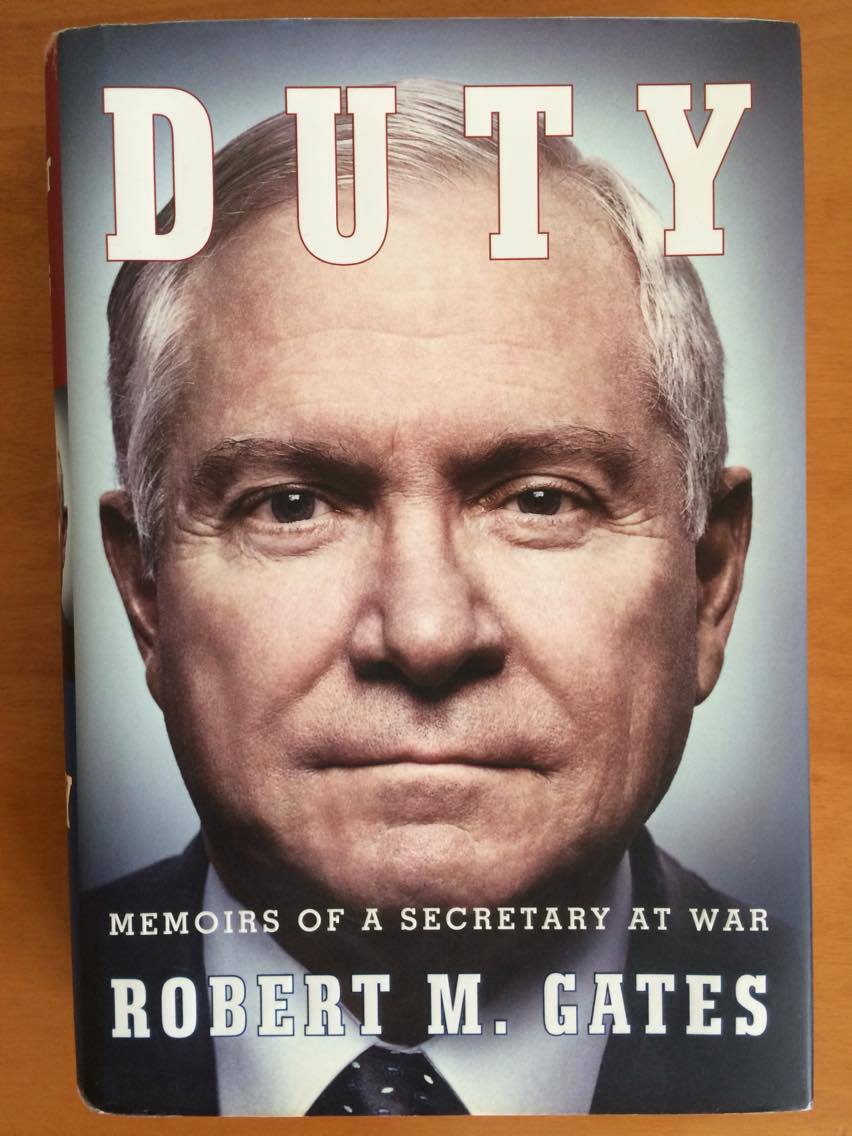
Duty – Robert Gates

I concluded by saying that the SEALs in the room truly gave meaning to George Orwell’s observation that “people sleep peaceably in their beds at night only because rough men stand ready to do violence on their behalf.”

[…]Lessons learned from the disaster in Iran in 1980 led to the creation of the Joint Special Operations Command and development of the training and equipment that undergirded the success at Abbottabad. In 1986, as deputy director in charge of analysis at CIA, I agreed to provide more than a dozen analysts to the new Counterterrorism Center in the clandestine service, an unprecedented and controversial assignment of analysts to help inform and plan counterterrorist operations. […] (Duty)

In a surprisingly open and detailed memoirs book, Robert Gates, the former U.S. Secretary of Defense, unveils his struggles and challenges while leading the U.S. Military in two wars, in Iraq and Afghanistan.

Obama_and_Biden_await_updates_on_bin_Laden
Gates, on the left, during Operation Neptune Spear, that killed bin Laden.

The ex CIA Director reveals the strings between the Pentagon, the Congress, the White House and the Joint Chiefs, within two administrations, Bush 43 and Obama. A lengthy volume that hides candid comments and many gems of wisdom. A great read.

Panzer Leader – Heinz Guderian

Half memoirs, half military tactics, the book offers a glimpse into the mentality of Heinz Guderian, the brilliant tank general of the Nazi Germany.

Guderian shows how he developed and organized the Panzer corps, his campaigns during the Second World War and the key relations between Nazi party members. Very little is described of his personal life, the vast majority of the book being on his professional military career.

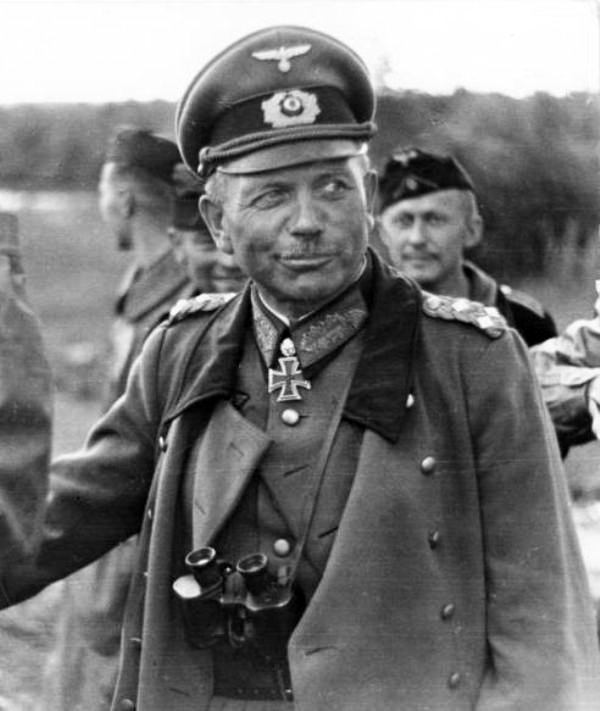
Bild 101I-139-1112-17
General Guderian on the front

The general is revealed as an intelligent, professional soldier, doing his best in the given conditions. A pure tactician, he stayed away from the political intrigues, unlike Rommel, which maybe saved his safe.

The careful written book has a fast pace, the story of the war flows smoothly and the overall logic of the motivations seems to hold, making it a quick and enjoyable read, particularly for the war and history fans.

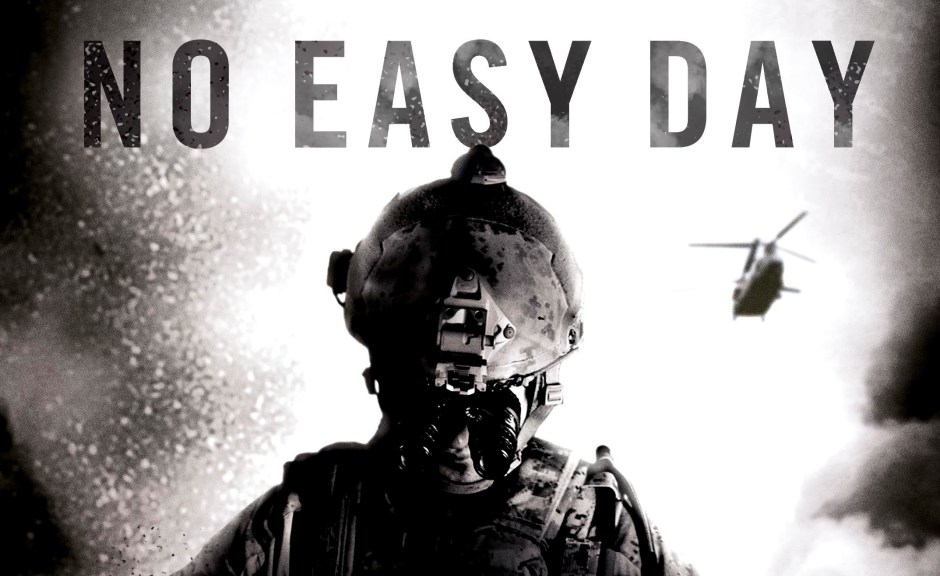
No easy day – Mark Owen

While there are many accounts and stories about the operation that killed Osama bin Laden, Mark Owen is the real deal. As one of the team leaders that assaulted the compound that night, he tells the story of how the SEAL Team Six killed their number one enemy.

The SEAL operative also describes how the men from one of the most elite units in the US military are constantly challenging themselves to the highest levels of mental and physical endurance.

The main skill they get after the gruesome training is knowing that they can break their own barriers, which makes them confident and balanced individuals. With those skills they can perform at maximum efficiency during combat, when split-second decisions must be made.

Those skills can be noticed when Owen describes the Captain Phillips Operation in the Indian Ocean (a movie starring Tom Hanks reconstructs that operation) and other missions in Iraq and Afghanistan.

The idea that transcends the book and gets to the reader is their mental toughness and ability to act under tremendous stress. It can motivate anyone who wants to push for their own personal desires, particularly in terms of fitness objectives.

I felt really pumped while reading the book and I realized that if you tear down the barriers that you have in your own mind, everything becomes possible.

It reminded me of another book of a SEAL operative “The Lone Survivor”. A SEAL in enemy territory and hunted by dozens of talibans, unable to move his legs due to a spine injury, drew a line in front of him with his knife and cross it time and time again until he got to a village. He drew that line just to push himself to cross it. And he made it, he survived.

Very important for me is that “No easy day” is the real account of the story, written by an eye-witness of the event. It involves no speculations or fantasies, nor is a product of imagination. Imagination is great, but life beats it.