The strategy was simple, and, I guess, logical… if we could afford the losses. Let the Bugs come up.
Meet them and kill them on the surface. Let them keep on coming up. Don’t bomb their holes, don’t gas their holes — let them out. After a while — a day, two days, a week if we really did have overwhelming force, they would stop coming up. Planning Staff estimated (don’t ask me how!) that the Bugs would expend 70 per cent to 90 per cent of their warriors before they stopped trying to drive us off the surface.
The book by Robert Heinlein was written in 1959, but it still has a futuristic flavour. It tells the story of the war with the Bugs, an arachnid-like alien species, sometime in the future of humankind.
It uses a first-person narrative to follow the tale of a soldier, gradually increasing in ranking, as the war progresses. Much of the book is taking place during his military training, which gives the opportunity to discuss many political ideas.
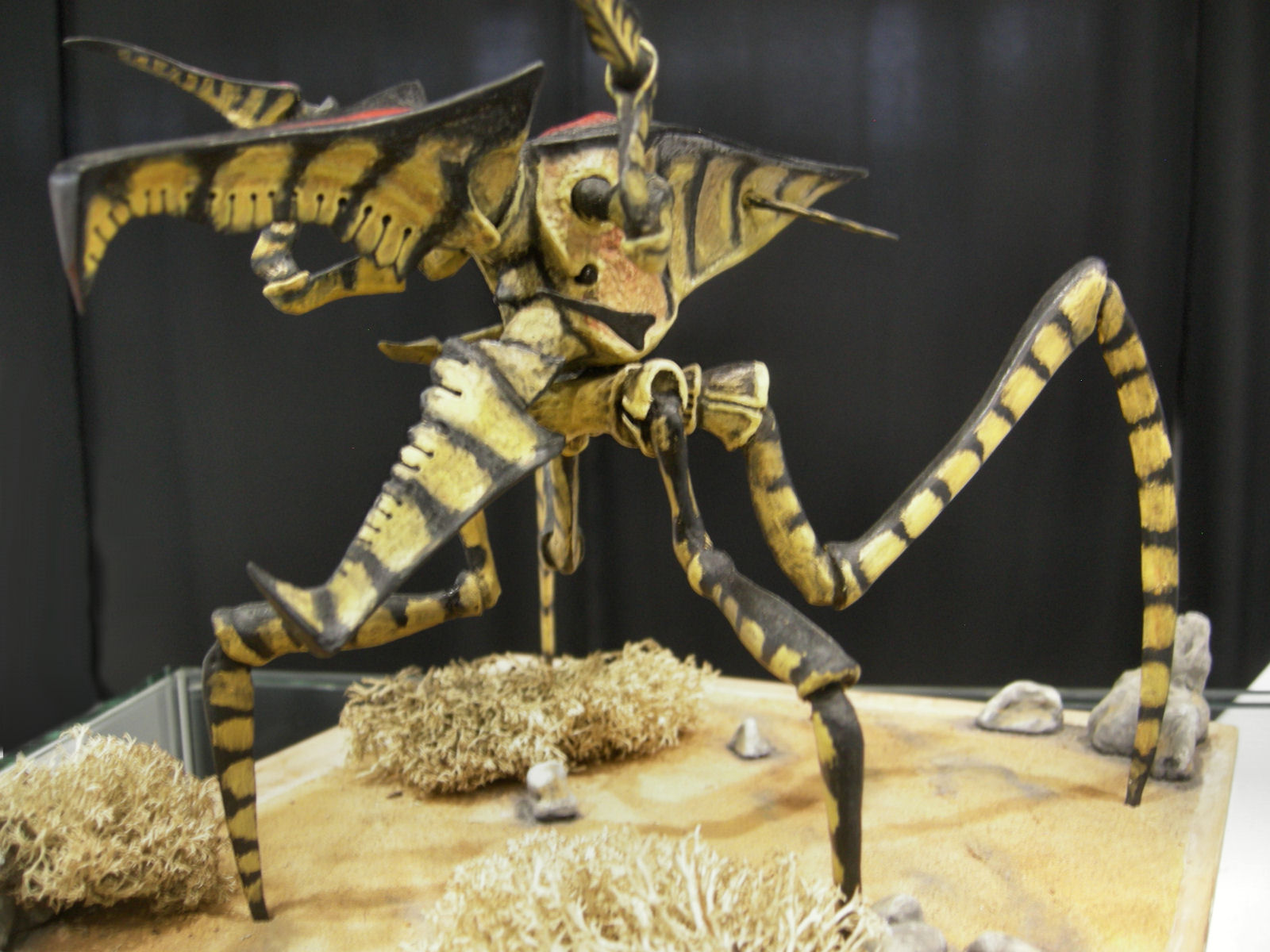
Warrior bug, from the first movie.
The book basically started the military scifi genre. It has numerous ideas very advanced for their time: racial diversity, starship drives, power suits.
The first movie (1997) is quite different than the book, more action-packed and less intellectually engaging.
Overall, the novel offers an immersive lecture and an interesting storyline, where the author uses the background of war and the progress of a space marine to propose some political ideas.
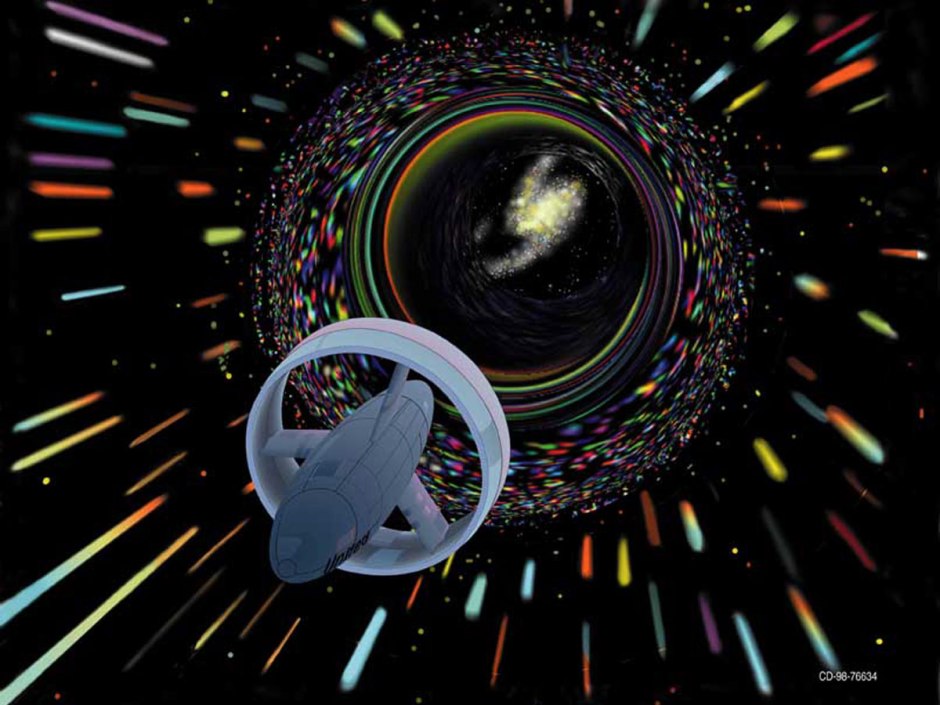
The whole voyage to Tau Ceti and back takes place inside the Local Interstellar Cloud and the G Cloud, which are concentrations of gas within the Local Bubble, which is an area of the Milky Way galaxy with fewer atoms in it than the galaxy has on average. Turbulence, diffusion: in fact, with our magnetic field coning ahead of the ship, electrostatically pushing aside the occasional grain of dust big enough to harm it in a collision, all atoms of any kind encountered en route are pushed aside, so we register our surroundings mostly as a kind of ghostly impact and then as a wake, shooting by to the sides and then astern of us.
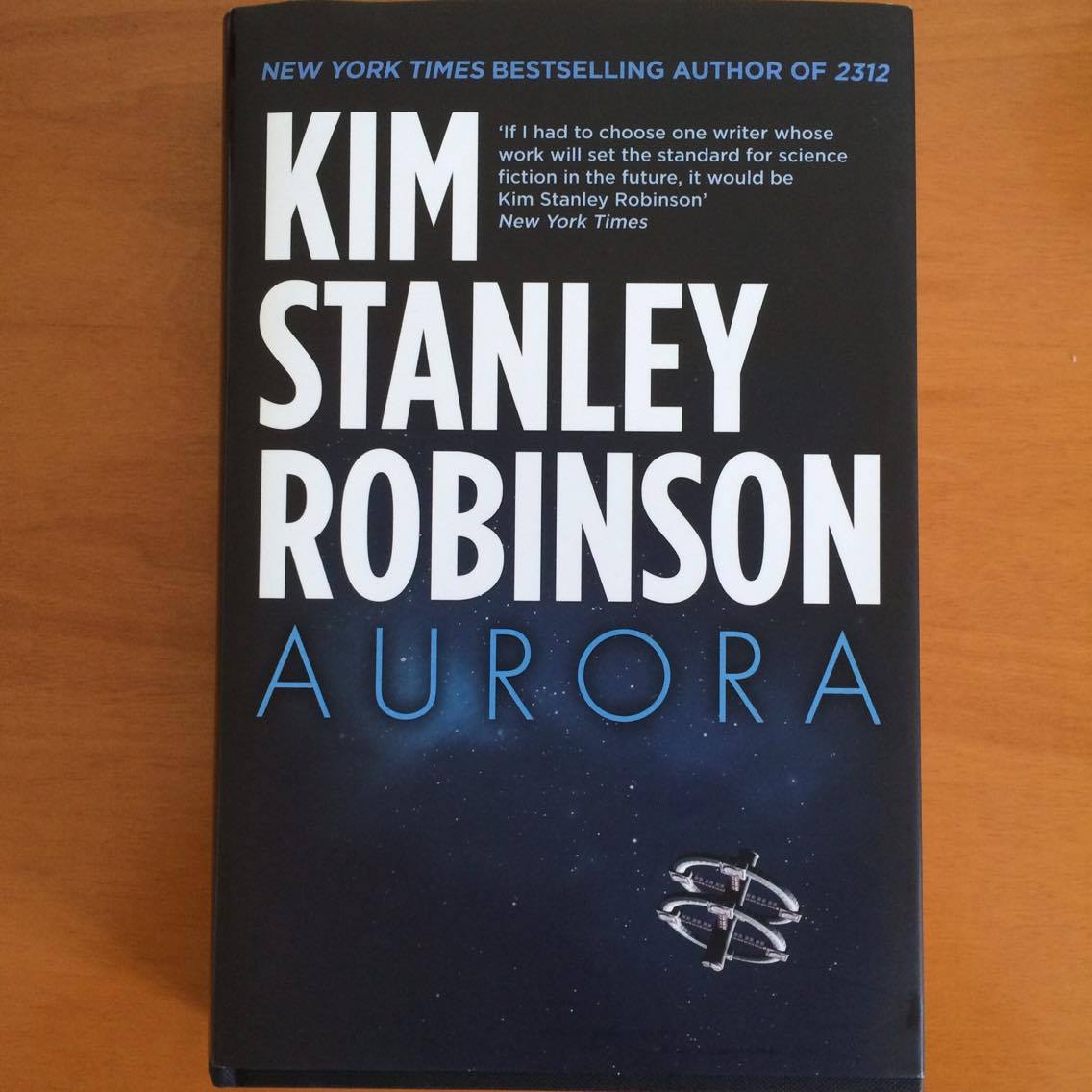
Aurora is a beautiful hard scifi novel, describing a voyage of humankind from Earth to another planet, for colonisation. The voyage fails, as all the other voyages of colonisation tried by humankind sometime in the future. The crew decides to come back to Earth, barely trying to understand and adapt to the new planetary conditions.
While I enjoy the idea, the writing, the narrative and all the scifi descriptions, I fundamentally disagree with the message of the book: that we are chained by biological strains to remain on Earth. Hence, we should do the utmost care to preserve the planet as pristine as possible.
According to Kim Stanley Robinson, outside of Earth, people are stupider, unable to adapt and none of the tries of colonisation has any success, despite well-planned voyages. I think this conclusion comes in contrast with humankind achievements so far: small groups of people exploring, colonizing and adapting to very different strips of land and weather patterns. Humans did not get confined in Africa, but pushed further and further, from the desert to islands and from arctic to jungles.
The story of this voyage failure to Aurora, the alien planet, is well constructed and tension is skilfully built. gradually increasing pace. The protagonists’ motivations and characters are carefully constructed.
A pessimistic story of humankind interstellar voyage
However, there are things I don’t like. The leading voice towards returning to Earth has no credentials, except being the daughter of the main engineer of the ship, dead at the time of alien planet arrival. She seems the leader not because of personal willpower or building a solid argument, but because she is known to most people and most voyagers are likely to fight the least her option.
The arguments towards returning to Earth are poorly constructed. There is no try to adapting and understanding the new planet. No years of orbiting trying to see where the problems are and how they can be resolved. It is a very different and pessimistic story than the Martian, for example.
It seems unlikely that people can revolt and endanger the entire expedition, without exhausting all avenues of solving their issues peacefully first.
I like the narrative, but the logical path seems flawed and not realistic. There are too many psychological, mind games, when there are too many practical problems to solve.
I’ll be at the entrance to Schiaparelli crater tomorrow!
Presuming nothing goes wrong, that is. But hey, everything else has gone smoothly this mission, right? (That was sarcasm.)
Today’s an Air Day and for once, I don’t want it. I’m so close to Schiaparelli, I can taste it. I guess it would taste like sand, mostly, but that’s not the point.
Of course, that won’t be the end of the trip. It’ll take another 3 sols to get from the entrance to the MAV, but hot damn! I’m almost there!
I think I can even see the rim of Schiaparelli. It’s way the hell off in the distance and it might just be my imagination. It’s 62km away, so if I’m seeing it, I’m only just barely seeing it.
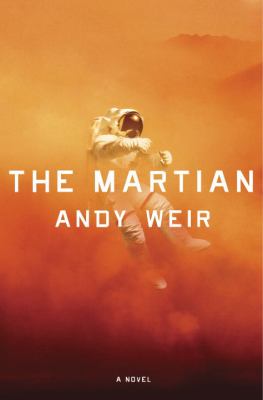
The book is a solid hard science survival story. I have seen the film first, but I still enjoyed the book. The technical detail and scientific accuracy are impressive and the action looks plausible. No fantastic, last second save or dash. The narrative line is well smoothed and comes at the right pace.
The best on the planet
The protagonist is no perfect hero, he makes mistakes, but remains positive and determined. There are no mind games, nor psychological detours, which I appreciate a lot. The story focuses on the facts and solving problems.
I enjoyed the most the subtle message of the book which in my view, was that the greatest quality of the hero is not the technical skill, but the mental fortitude. He takes every problem at a time, makes objectives and plans for them. Not everything is going smoothly, but he keeps pushing.
An amazing alien planetary survival, a genre much in vogue today.
The Mining Colony now comprised eight modules, plus an inflatable dome that was attached directly to the asteroid. The robots had spent several weeks welding a three-meter-diameter ring into a circular groove that they had prepared on Amalthea’s surface. The inflatable had been mated to it about a hundred days ago, and filled with breathable atmosphere. It was not quite a shirtsleeves environment, since the asteroid was cold and chilled the air in the dome. And many of the robots’ normal operations produced gases that were toxic, or at least irritating. But that wasn’t the point of having a dome.
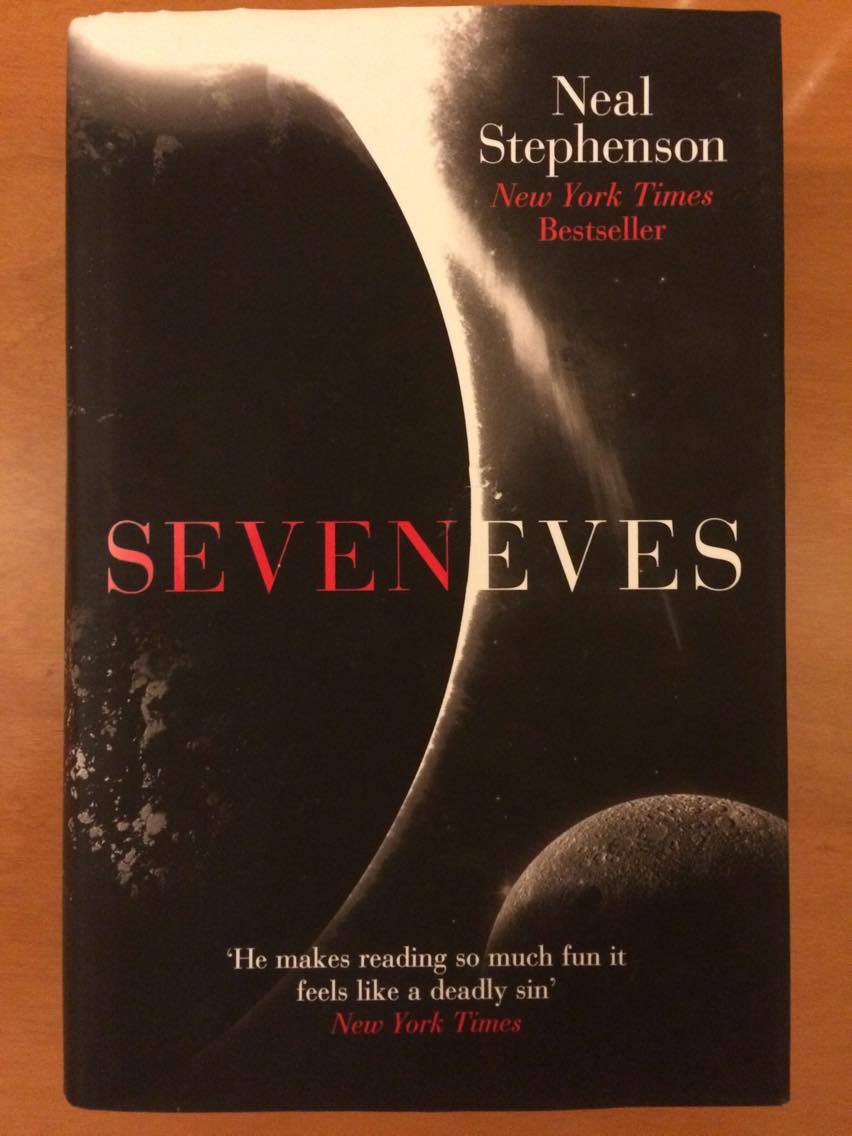
Seveneves is a book of what is called hard scifi, a category of science fiction focusing on scientific accuracy and technical detail. Neal Stephenson did a fantastic job in researching and writing this book, which is arguably one of the best scifi in the last years. The technical detail is incredible and the plot is perfectly built and sustained.
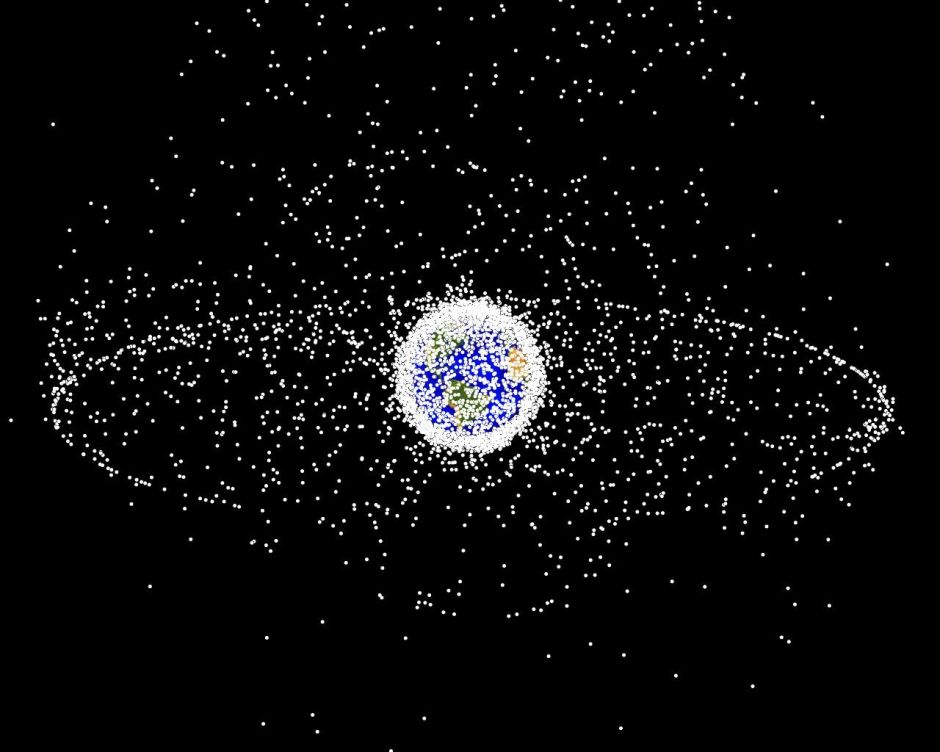
What will humanity do if we have to leave Earth?
The novel starts with the destruction with the Moon in a cataclysmic event, an action that will destroy life Earth, leaving only the space as a refuge. After this strong hook for readers in the introduction, which kickstarts the entire action, Stephenson brilliantly describes the logical steps that human race takes for its survival. The author pays considerable attention to scientific accuracy, making the book a true voyage of discovery and imagination.
It is also extremely entertaining: the action has great pace, the descriptions are just enough to understand what is happening, the plot leaves the reader guessing what will come next and the personages are truly easily identifiable and memorable. The reader finds out by the last chapters why the novel is called this way.
The book is recommended by both Financial Times and Bill Gates. It’s incredible how you keep wanting to continue, even after more than 800 pages. A masterpiece.
“The Spirit of Confederation reports she is taking very heavy fire, Admiral,” Hughes told him. “Damage to aft shields, damage to primary broadside weapons, damage to two of three hab modules. Fire control is down.”
Koenig was watching the Confederation‘s struggle on a secondary tactical display, which was relaying the camera view from a battle drone pacing the retreating ships. Straight-edged patches of blackness kept popping on and off along the battleship’s length, responding to incoming fire. One set of aft shields was flickering on and off alarmingly, threatening complete failure. Several sections of her long, thin hull had been wreaked by energies leaking through the shields. The damage was severe, but she continued to fire back.
Earth Strike is the first part of the trilogy Star Carrier, by Ian Douglas. The book presents the war between humans and an alien species, some 400 years from now. The mysterious aliens have the upper hand in technology and intelligence, but humans have some stunning come-backs.
Ian Douglas presents two episodes of this war, following three main characters: Lieutenant Trevor Grey, pilot of a Starhawk (kind of fight plane in space), Commander Marissa Allyn, the wing leader and Admiral Alexander Koenig, commanding America, a large starship, equivalent of a carrier.
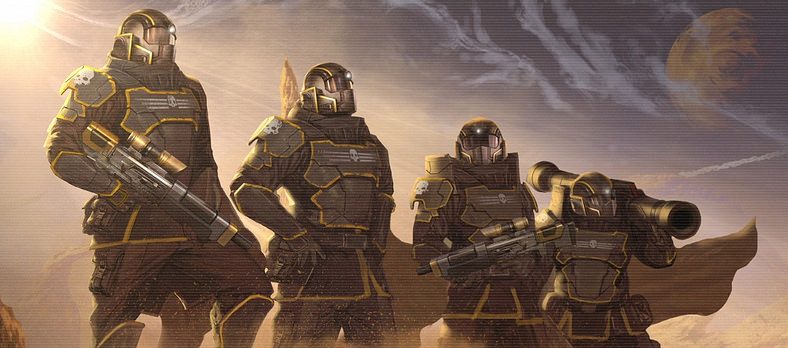
Starhawks leaving the carrier.
Their narratives interweave with the star carrier and the fight against the aliens, offering three different perspectives of the war. Koenig’s story presents a hawk’s eye vision, the grand scale of the war; Allyn’s plot is more tactical, allowing chapters busting with fast paced action; while Grey’s inner demons and questions beautifully describe the situation from the common man’s perspective.
The stories intertwine flawlessly, the pace of the plot is just right, the questions don’t seem out of the ordinary and the plot is believable and progresses entertainingly. The book doesn’t have the impressive science background of books such as Seveneves or Aurora, but as a military scifi, is full of action and credible.
There is no wonder that the book by Ian Douglas was well-received by readers and fans of the genre. It is sometimes rough on the edges, but it keeps the reader entertained and wondering what will happen next. A good piece of writing.
Atvar was glad to return to Australia. It was late summer in this hemisphere now, and the weather was fine by any standards, those of Home included. Even in Cairo, though, the weather has been better than bearable. What pleased him more was how far the colony has come since his last visit.
“Then, all we had were the starships,” he said to Pshing. “Now look! A whole thriving city! Streets, vehicles, shops, a power plant, a pipeline to the desalination center-a proper city for the Race.”
“Truth, Exalted Fleetlord,” his adjutant replied. “Before very much longer, it will be like any city back on Home.”
This is the first book that I review after an exchange of books with a friend.
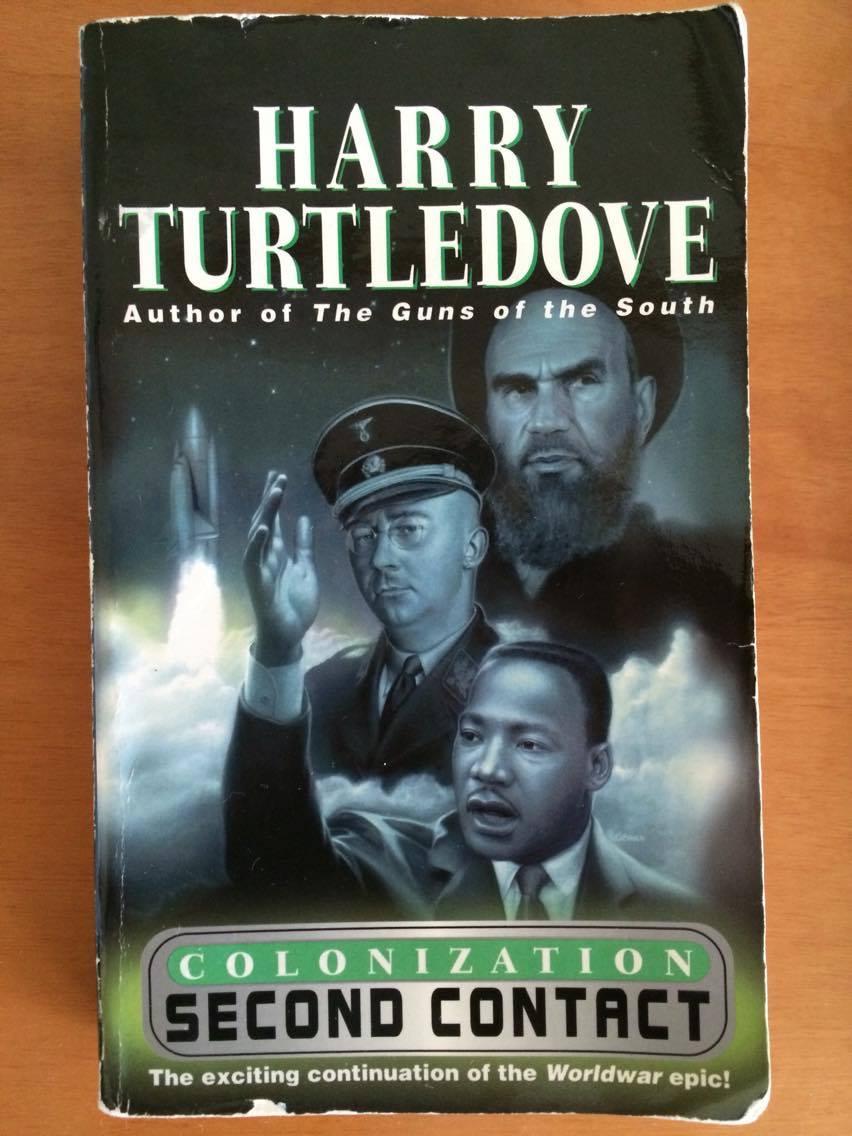
The book presents an alternate fictional history on Earth in the 1960s, when the world, finally at peace, is divided between a species of lizard-like aliens and several human world powers. The World War II was interrupted by the alien invasion, leaving the Third Reich, the Soviet Union and the United States as the leading human powers on Earth. Instead of fighting each other, they had to fought the aliens, loosing all the South, including Australia, South America, all Africa and parts of Middle East.
The book is the first in a series (Colonization), that follows a very successful tetralogy (Wordwar) where the fights between human powers are the aliens are described, during the World War II.
In Second Contact, the alien colonisation ships arrive, in the hundred of millions, creating a huge challenge for humans. Some revolt, but only the United States seems to do something, in space, which will find out in the second book of the series.
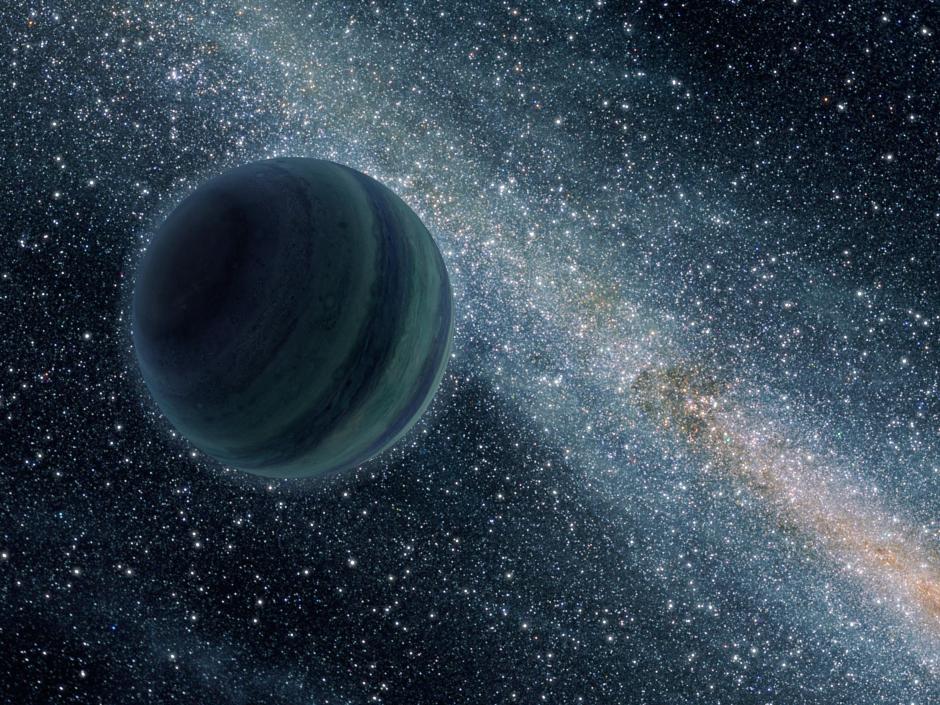
Are we alone in the universe?
The author patiently develops the stories and the characters, which come from all the regions, races and powers. Here we can see the Fleet Lord Atvar, the alien traitor, the life of a Jew in Alien-occupied Poland, the struggle of the communist Chinese for liberty against the Aliens and many other interlinked stories. While the stories and characters are numerous, they are easy to follow and understand. Turtledove beautifully reconstructs life after war. The pace of the book is slow, with many dialogues and character development situations, and the plot moves accordingly, leaving the impression that not much is happening. It seems that the book mostly prepares the ground for the series, rather than presenting a story, because many of the plot lines remain open.
An entertaining book to read for the fans of alternative history; definitely not-action packed, but carefully written, with good historical research.
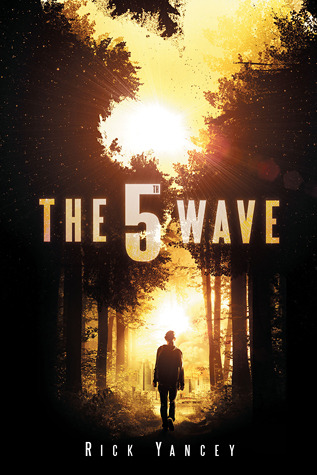
Lately I am sliding towards sci-fi, so I quickly finished the first book of the Fifth Wave trilogy by Rick Yancey. Whilst I am not totally convinced to buy the rest, I liked the story, the plot twists, the protagonists. A bit focused towards adolescents, which I found an unnecessary addition to the overall believable and well-thought scenario.




 Mike Bostan - personal blog on book reviews and energy studies