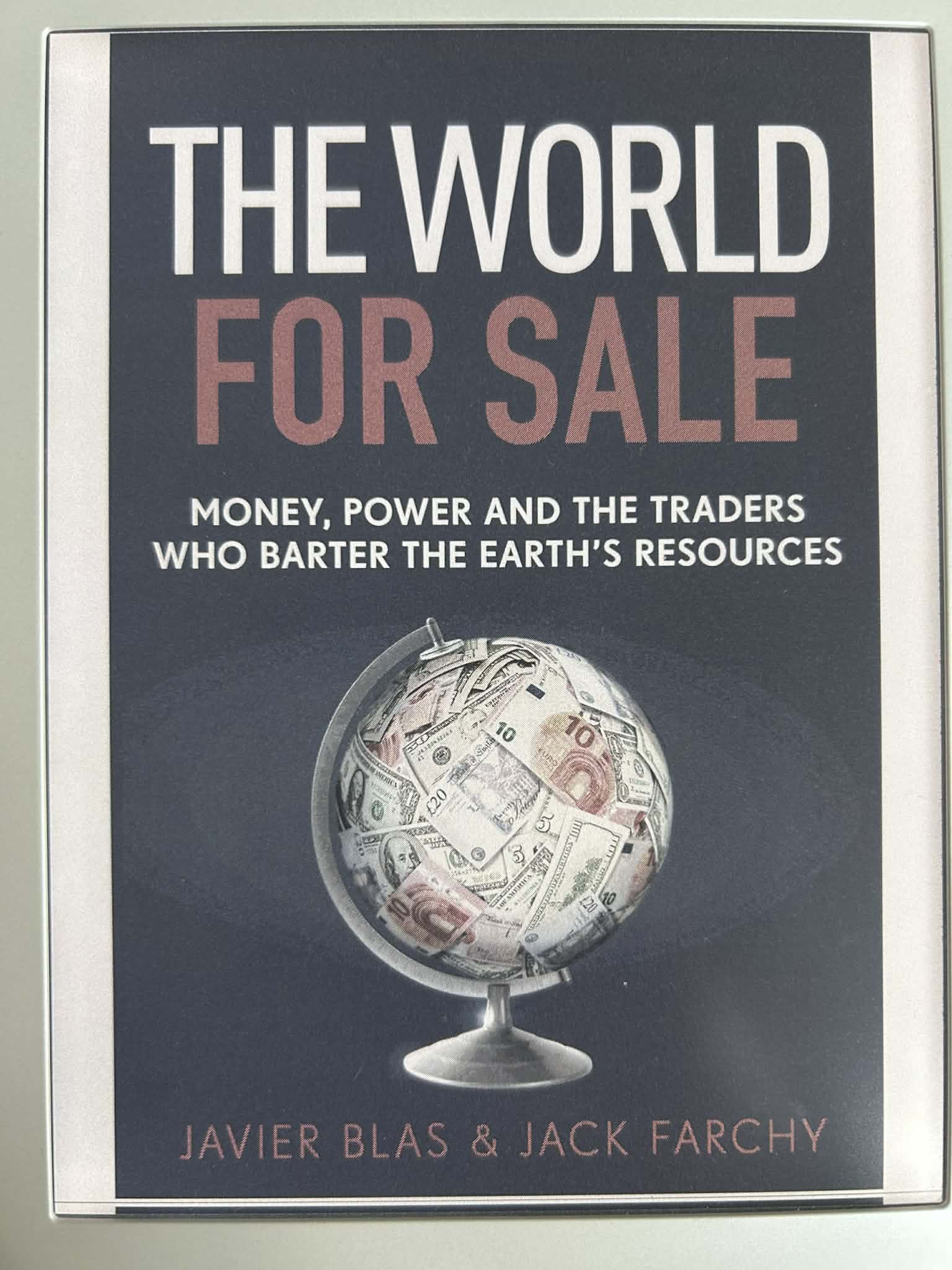
The World for Sale – Javier Blas, Jack Farchy

The commodity traders are arbitragers par excellence, trying to exploit a series of differences in prices. Because they’re doing deals to buy and to sell all the time, they are often indifferent to whether commodity prices overall go up or down. What matters to them is the price disparity – between different locations, different qualities or forms of a product, and different delivery dates. By exploiting these price differences, they help to make markets more efficient, directing resources to their highest value uses in response to price signals. They are, in the words of one academic, the visible manifestation of Adam Smith’s invisible hand.

There are companies richer that big countries, that you never heard about. The book presents the history of commodity trading firms, from their start in early 60s to present day. Commodities are energy, metals and agricultural products that we commonly use. As trading grew and become global, these firms picked up, increased the trend and developed the global flows of products that fuel our lives and industries and feed ourselves.

Starting from trading oil, the global commodity traders, overwhelmingly European and based in Switzerland, become global power houses, not only in trading, but also in producing goods, owning warehouses and financing industries and countries.

On the good side, global commodity trading dramatically decreased prices for costumers, using every opportunity to create a better deal, a better price. In this endeavors, traders because rich, with profits in the billions.

On the bad side, those firms bought from and financed dictators, morals or international sanctions having little to do with a good deal.

What makes the book interesting is that it’s exceptionally well researched, dynamic and manages to present all major global commodity traders in an un liniar way. There is a plethora of stories and characters.

Also memorable is how some of the richest companies in the world grew quietly, outside press or magazines. Only an IPO in the early 2010s started to shed some light on their fabulous incomes, all of them being private before that and even now.

This is an exceptional, real world, contemporary, well researched, well written, engaging and memorable book. What a read!

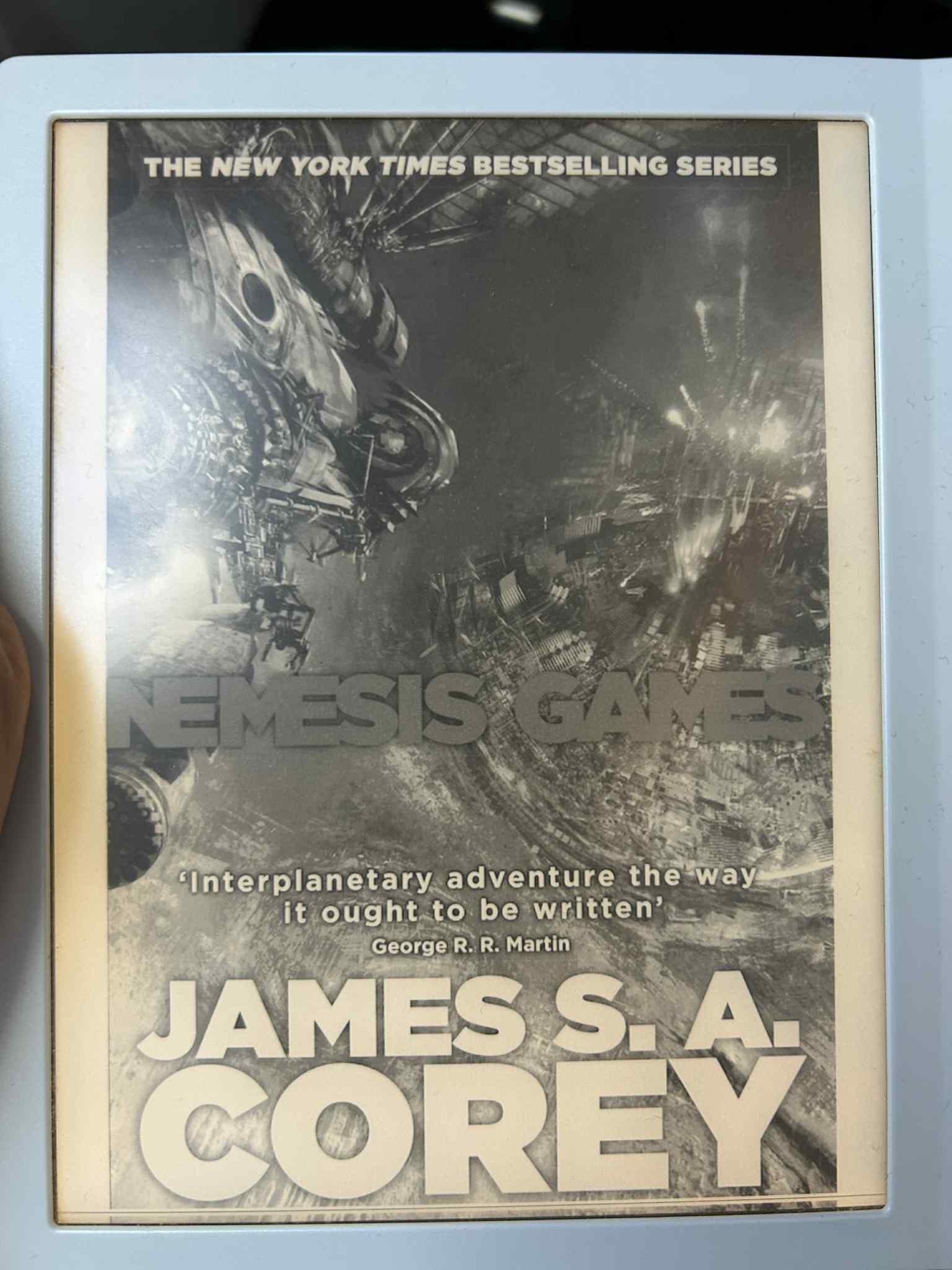
Nemesis Games (The Expanse, book 5)

No, it wasn’t. It was the scariest fucking answer to Fermi’s paradox I can think of. Do you know why there aren’t any Indians in your Old West analogy? Because they’re already dead. The whatever-they-were that built all that got a head start and used their protomolecule gate builder to kill all the rest. And that’s not even the scary part. The really frightening part is that something else came along, shot the first guys in the back of the head, and left their corpses scattered across the galaxy. The thing we should be asking is, who fired the magic bullet?

“Nemesis Games” is the fifth book in the Expanse series, with a title that accurately reflects the story in the book, happening centuries in the future, when humanity has conquered this solar system. In summary, the crew of the famous now Rocinante is taking a separate leave, each for its own reasons, with the exception of the captain Jim Holden. During their leave, the story of each crew member (Amos, Alex and Naomi) is followed, as each finds some of the greatest challenges of their lives, as they face, in some way, their own nemesis.

Their stories, now even sagas, at the fifth book, is in the context of the main ship, Rocinante, being in repairs; with the usual captain, Holden, away with the ship; and Earth being devastated by human-sent meteors.

The messages is that each character grows and develops to be more than the initial person that they started, before Rocinante: Amos, from a thug to an accomplished space engineer; Naomi, from a brilliant engineer to a politically astute Navy Second in Command; Alex, from a gifted military navy pilot to keen observant and detective.

Usually, the quality of a series declines with time. However, this book came strong – I loved it. The plot was strong, no magic bullets, but credible actions in given situations. Except one situation that was too good to be true (Amos finding survivalist supplies), the rest was good enough to keep the reader immersed in the story. I liked the character development, and the risky bet to add more depth to existing characters rather than bring new ones.

Looking forward for the sixth book in the series!

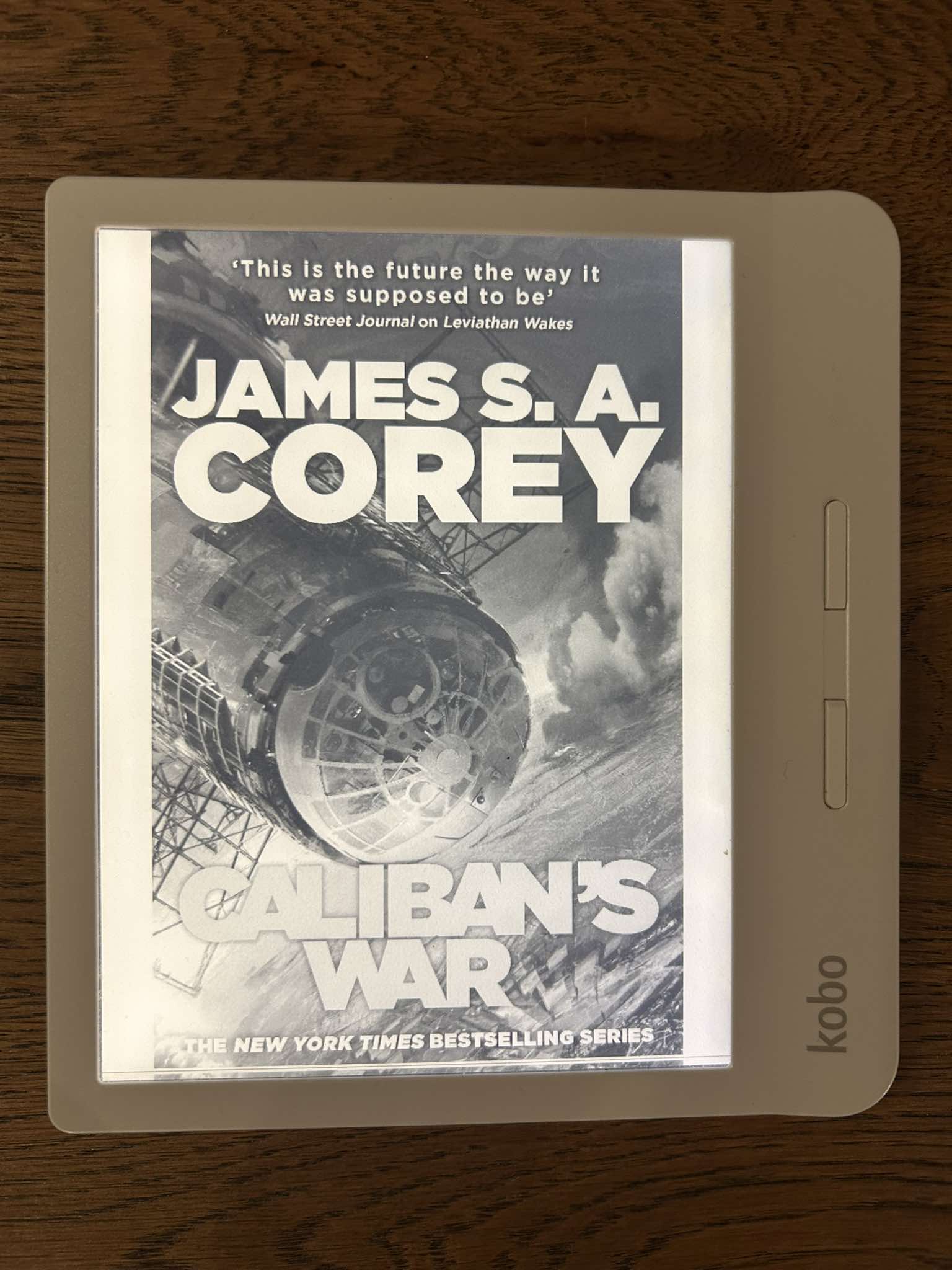
Caliban’s War (The Expanse, book 2)

There was a relentless forward motion to the man. The universe might knock him down over and over again, but unless he was dead, he’d just keep getting up and shuffling ahead toward his goal. Holden thought he had probably been a very good scientist. Thrilled by small victories, undeterred by setbacks. Plodding along until he got to where he needed to be.

The story of the first book, of an alien protomolecule seemingly indestructible, intelligent and lethal to humans, expands to another level, where politicians and planets get involved. The plot is driven ahead by not two, but four protagonists: the captain – James Holden, the doctor – Prax, the politician – Avasarala and the soldier – Bobbie. While each starts from its own background, the protomolecule brings them all together, trying to stop the increasing menace. While planetary governments try to weaponize this alien artefact, the molecule learns and becomes increasingly intelligent. Our four heroes maneuver around politics and dangerous situations to destroy the threat, but the war goes on.

The book introduces two memorable characters: the UN politician from Earth, Avasarala and the Martian female soldier, Bobbie. They team together, more by chance than design, to keep the two planets fighting against the common threat. Avasarala is diminutive, elegant, sophisticated, foul speaking, machiavellian, happily married and old. Bobbie is the opposite.

I rarely continue books in a series, but this space saga is exceptional. Great story building, memorable characters with credible motivations, a tight plot, hard science fiction, great writing – overall, an truly enjoyable reading.

The book’s title is unusual, as Caliban is never mentioned in the book. It is, in fact, a reference to the character Caliban in Shakespeare’s “The Tempest.” This character tries to free himself from subjugation of his masters, as the protomolecule tries to shake the bondage of those who try to weaponize it.

Excellent series, that goes to about 9 books. Long, but worthy reads.

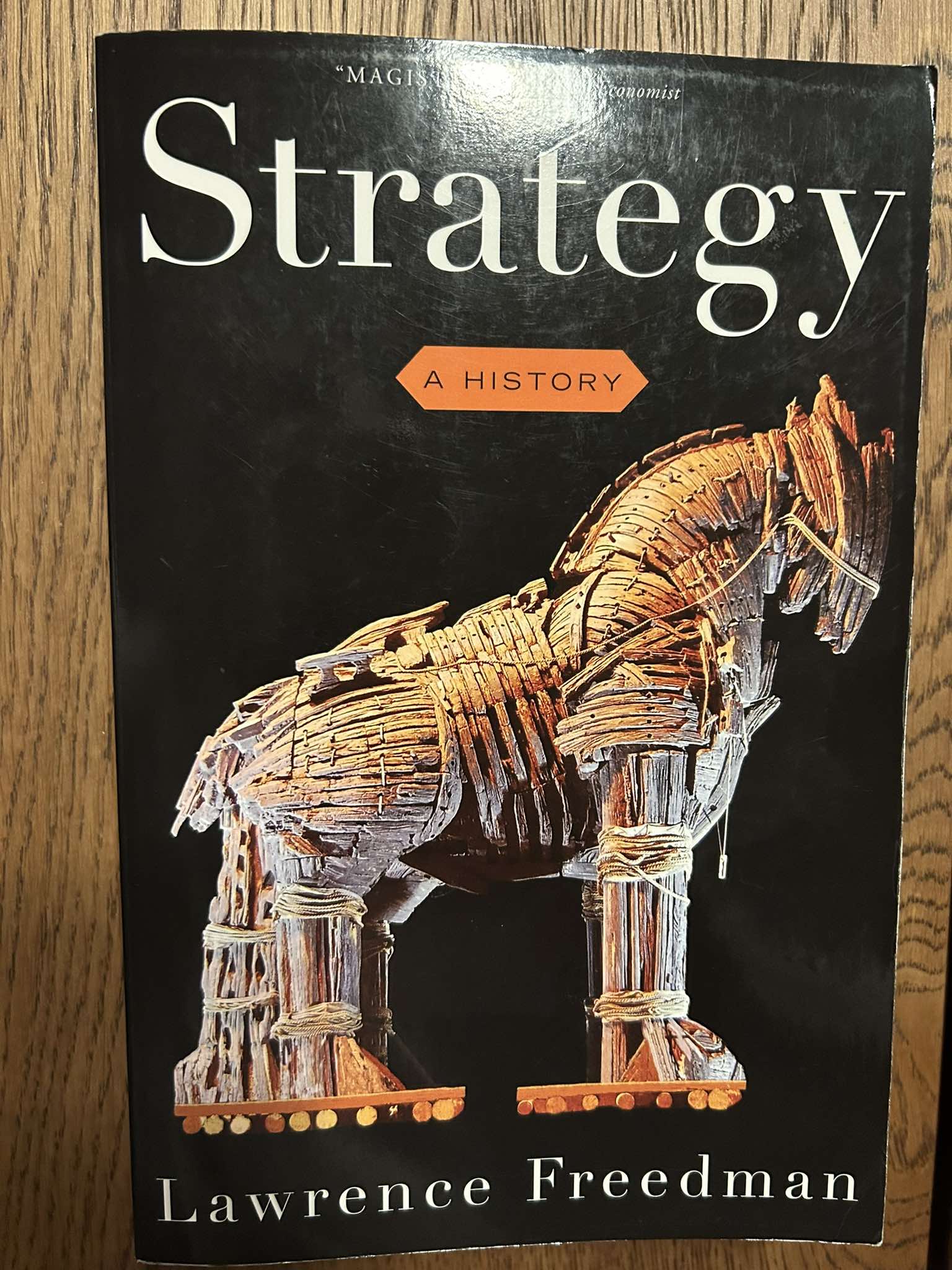
Strategy: A History – Lawrence Freedman

So the realm of strategy is one of bargaining and persuasion as well as threats and pressure, psychological as well as physical effects, and words as well as deeds. This is why strategy is the central political art. It is about getting more out of a situation than the starting balance of power would suggest. It is the art of creating power.

The book is a comprehensive history of strategy, starting from chimpanzees decision-making and going to military, business and political thought. Presented in a chronological order, the book covers all relevant points on what could be included in the topic of strategy: from nuclear war to guerilla tactics, from Cold War to deterrence strategy, from Sun Tzu to Jomini, from business Red Queen to Blue Ocean strategy, from political rational decisions to cooperation and coalition games.

The book feels like a compendium of all important ideas in this domain, describing and commenting on each of them. There is no single message of the book, but appears more like a textbook for those interested in the topic. At points it feels dry, almost academic, with long paragraphs and descriptions. Nevertheless, the ideas are presented in a clear and logic way, and chapters are flowing well one after the other.

The thinkers mentioned and analyzed are mostly American or West European, with few examples from other parts of the world, although the success of non-English thinkers or organizations is mentioned and praised. More examples to captivating theories, or some anecdotes (such as the one describing the movie Mr Smith is sent to Washington) would have elevated the book even further.

Sir Lawrence Freedman, the author of the volume, is an authority on the area, former Professor of War Studies at King’s College London, and largely considered the authority on British strategic studies.

It took me about 8 years to finish the book, which stands at about 700-plus pages, but it was always an interesting read, although slow at times, as profound ideas follow quickly one after the other, paragraph after paragraph.

A must-have book in the library for anyone interested in the topic of strategy from a political, military and business perspectives. This is a book that can stand the test of time, as it contains all influencing ideas and thinkers on strategy until early 2010s.

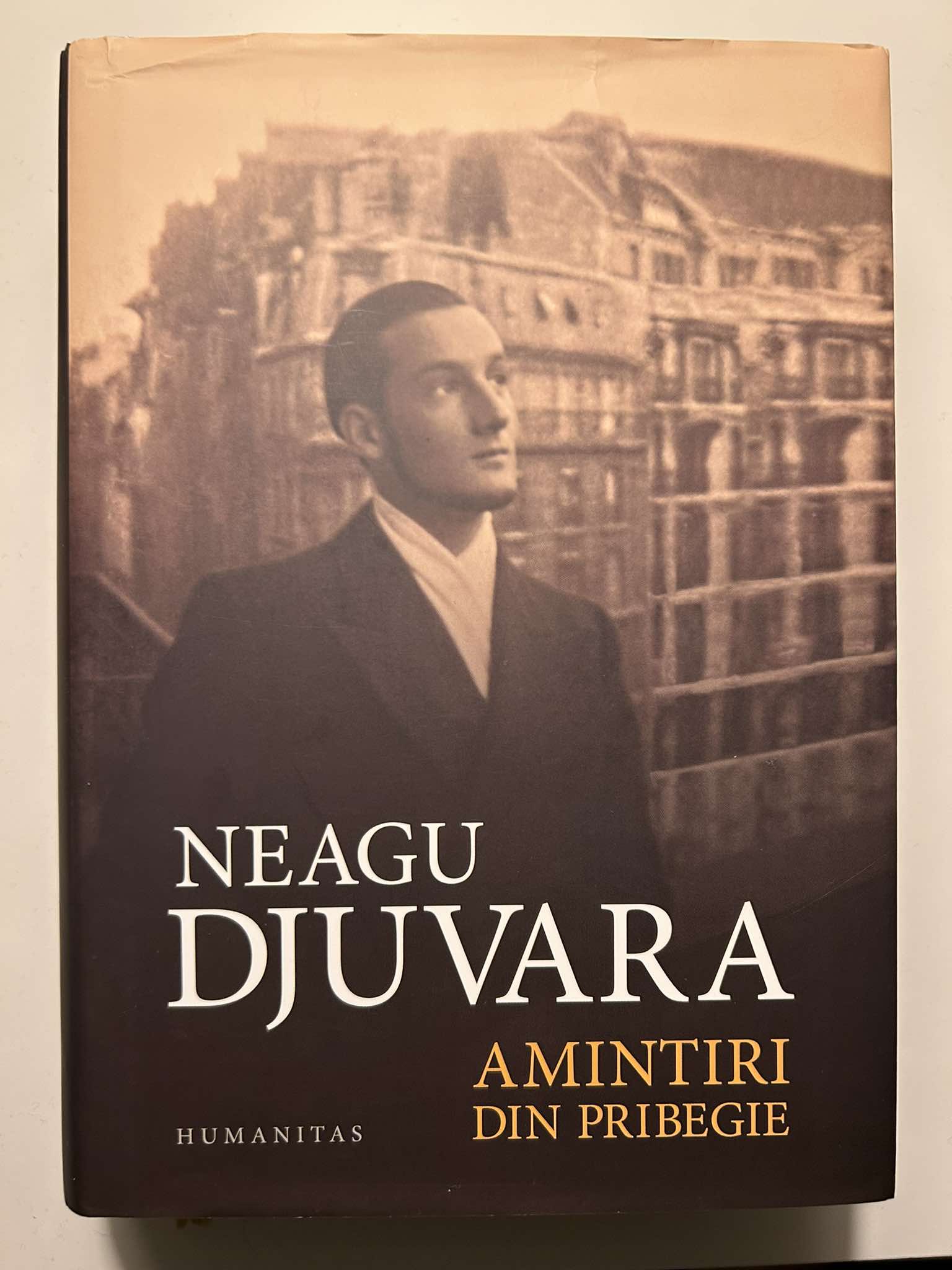
Amintiri din pribegie – Neagu Djuvara

Mănescu mă întâmpină cu un zâmbet larg, îmi strânge mâna cu efuziune; se bucura, cică, să mă-ntânlească și deodată face un gest, îl cheamă pe fotograful oficial și, luându-mă de după umeri și trăgându-mă între el și Diori, zice în franțuzește:
-Să facem o fotografie de familie…
M-a trecut un fior, o nădușeală rece pe spinare: apare mâine în Scânteia o poză cu Corneliu Mănescu, măreț, triumfal, alături de un președinte negru și de… Neagu Djuvara, de care poate-și mai aduc aminte unii, că a vorbit cu anii la Radio Europa Liberă și era anticomunist focos, și-și vor zice: ,,Și ăsta s-a dat cu ei!…”
Atunci, ca o inspirație de Sus, mi-a pornit o mișcare a mâinii pentru a astupa obiectivul aparatului și, părăsindu-i pe Mănescu și pe Diori, am zis:
-Nu! Fotografiile-s numai pentru cei mari ai lumii!- și am ieșit din birou.

Neagu Djuvara isi povesteste amintirile intr-o proza captivanta si plina de cultura, de la plecarea sa la Stockholm ca atasat diplomatic in 1943, pana la revenirea in tara, dupa revolutia din 1989. Cu o viata fascinanta, de boier saracit, dar inca plin de nobilime, cultura si inteligenta, Djuvara trece de la diplomat roman, refugiat politic in Franta, diplomat in Republica Niger, pensionar la Paris si apoi, in sfarsit, revenit in tara.

Sunt atatea povesti si amintiri frumoase ce le prezinta, detasat, intim, plin de umor si finete. Un intelectual desavarsit, viseaza toata viata la o cariera profesorala si studiaza adanc istorie, drept si antropologie. Abia dupa 70 de ani ajunge profesor, in Romania, dar cartile sale il fac si mai apreciat.

Neagu Djuvara se plange mereu de lipsa de bani in cartea lui de memorii, dar in fotografiile si povestile ce le prezinta, arata din plin unde a investit: in educatie, prietenii, calatorii si lucruri de calitate. O viata traita din plin.

Ce se desprinde din carte in primul rand este calitatea scrierii, observatiile fine, extraordinarul compas moral si claritatea in gandire. Traind peste 100 de ani, Neagu Djuvara scrie cu intelepciunea unuia ce a trecut prin viata, a vazut multe, a inteles cate ceva si lasa invatatorile celor tineri. O extraordinara carte scrisa de unul dintre cei mai eruditi, intelepti si fermecatori scriitori romani.

O scurtă istorie a românilor povestită celor tineri – Neagu Djuvara

Această Românie Mare e o ţară care se naşte cu dificultăţi uriaşe – trebuiau să se adune şi să se gospodărească împreună oameni care nu s-au aflat niciodată sub aceeaşi cârmuire. Ceea ce-i uneşte pe toţi românii este faptul de a vorbi aceeaşi limbă. Am mai spus că suntem poate singura ţară din Europa, în afară de micile ţări, al cărei sentiment naţional este exclusiv întemeiat pe faptul că vorbim aceeaşi limbă de la Nistru până la Tisa.

Neagu Djuvara prezintă într-un limbaj simplu și captivant istoria teritoriului unde este azi România și a românilor. Capitolele sunt organizate în funcție de clasicele epoci istorice, dar punând în evidență simboluri și momente importante. Uneori, detalii interesante sunt prezentate, de exemplu cum au reușit politicienii români ai vremii să găsească un domn străin (Carol).

Comentariile politice ale lui Neagu Djuvara dau de gândit. Uneori, autorul se întreabă cum ar fi fost cursul istoriei dacă s-ar fi luat alte decizii politice, la timpul lor. Profunzimea soluțiilor propuse de Djuvara, pe baza unor principii solide, mult bazate pe onoare și prestigiu internațional, deschid noi orizonturi. De exemplu, Djuvara se întreabă de ce am semnat armistițiul cu Germania în primul război mondial, când americanii tocmai debarcaseră în Europa (ceea ce a îngreunat mult negocierile cu aliații, căci noi promisesem să nu semnăm pace separată). Sau, bunăoară, de ce am cedat Basarabia în al doilea război mondial, fără să ne batem. Sigur am fi pierdut, dar am fi fost poate mai bine la masa negocierilor în timpul și după război.

Neagu Djuvara este un istoric cu o viață și experiență legendare. Născut dintr-o veche familie boierească, se luptă în al doilea război mondial, rănit la Odessa; intră în ministerul de externe, unde este plin de peripeții, emigrează în Franța, apoi în Niger; își ia doctorului la Sorbona; apoi se întoarce în România să predea, chiar după revoluția din 1989. Trăiește 101 ani, fiind lucid până la moarte.

Fascinant sunt prezentate cum se fac calculele politice la nivel înalt, cât de mult contează latura personală, familia, prieteniile, încrederea; totul foarte logic și uman.

Cartea lui Neagu Djuvara este una din puținele cărți pe care am recitit-o. Un volum extraordinar, ce păstrează perfect proporțiile a ceea ce se întâmplă pe teritoriile românești, în comparație cu evoluțiile mondiale.

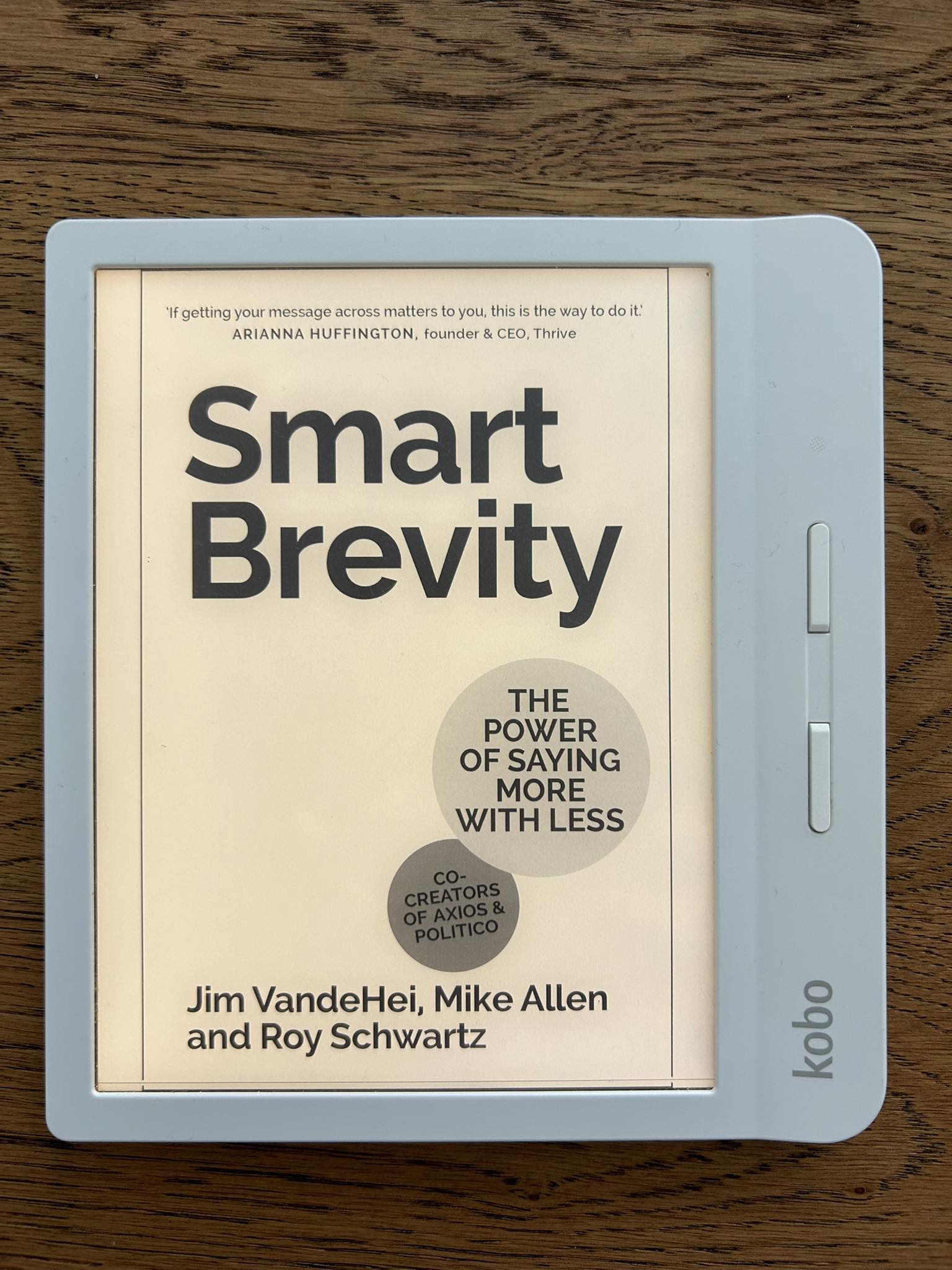
Smart Brevity – Jim Vandehei, Mike Allen, Roy Schwartz

Put your readers first. People are busy and have expectations of the precious time they give you. All they usually want to know is what’s new and “Why it matters.” Give them that.

This is easily one of the best books I have ever read. We communicate to transmit something: a message, an info, a plan, a feeling. This book helps the communicator deliver the message, and it is focused on the professional side (journalists, advocacy professionals, communication experts, etc.). The book helps the reader to get the attention of the audience and have them read, with attention, the message you want to transmit. Short, but full of wisdom gems, the book is a marvel of reading.

Written by the founders of POLITICO (one of the few global political journals making a reputable name in the last decades) it presents their template for writing attention-grabbing and memorable articles, for people interested in political and policy life (and with their attention assaulted by myriads of other messages).

The book is so well written that I will quote them again, on how to build a grabbing message:

Smart Brevity’s Core 4 Smart Brevity, in written form, has four main parts, all easy to learn and put into practice—and then teach. They don’t apply in every circumstance but will help you begin to get your mind around the shifts you need to make.

1 A muscular “tease”: Whether in a tweet, headline or email subject line, you need six or fewer strong words to yank someone’s attention away from Tinder or TikTok.

2 One strong first sentence, or “lede”: Your opening sentence should be the most memorable—tell me something I don’t know, would want to know, should know. Make this sentence as direct, short and sharp as possible.

3 Context, or “Why it matters”: We’re all faking it. Mike and I learned this speaking to Fortune 500 CEOs. We all know a lot about a little. We’re too ashamed or afraid to ask, but we almost always need you to explain why your new fact, idea or thought matters.

4 The choice to learn more, or “Go deeper”: Don’t force someone to read or hear more than they want. Make it their decision. If they decide “yes,” what follows should be truly worth their time.

An example that remained with me: what is more attention-grabbing from the 2 examples below?

Example A: There is water on the moon’s surface, and ice may be widespread in its many shadows, according to a pair of studies published Monday in the journal Nature Astronomy.

Example B: Moon is wet.

This is one of the books that will be a classic, so actual in the world of short-attention spam we have today.

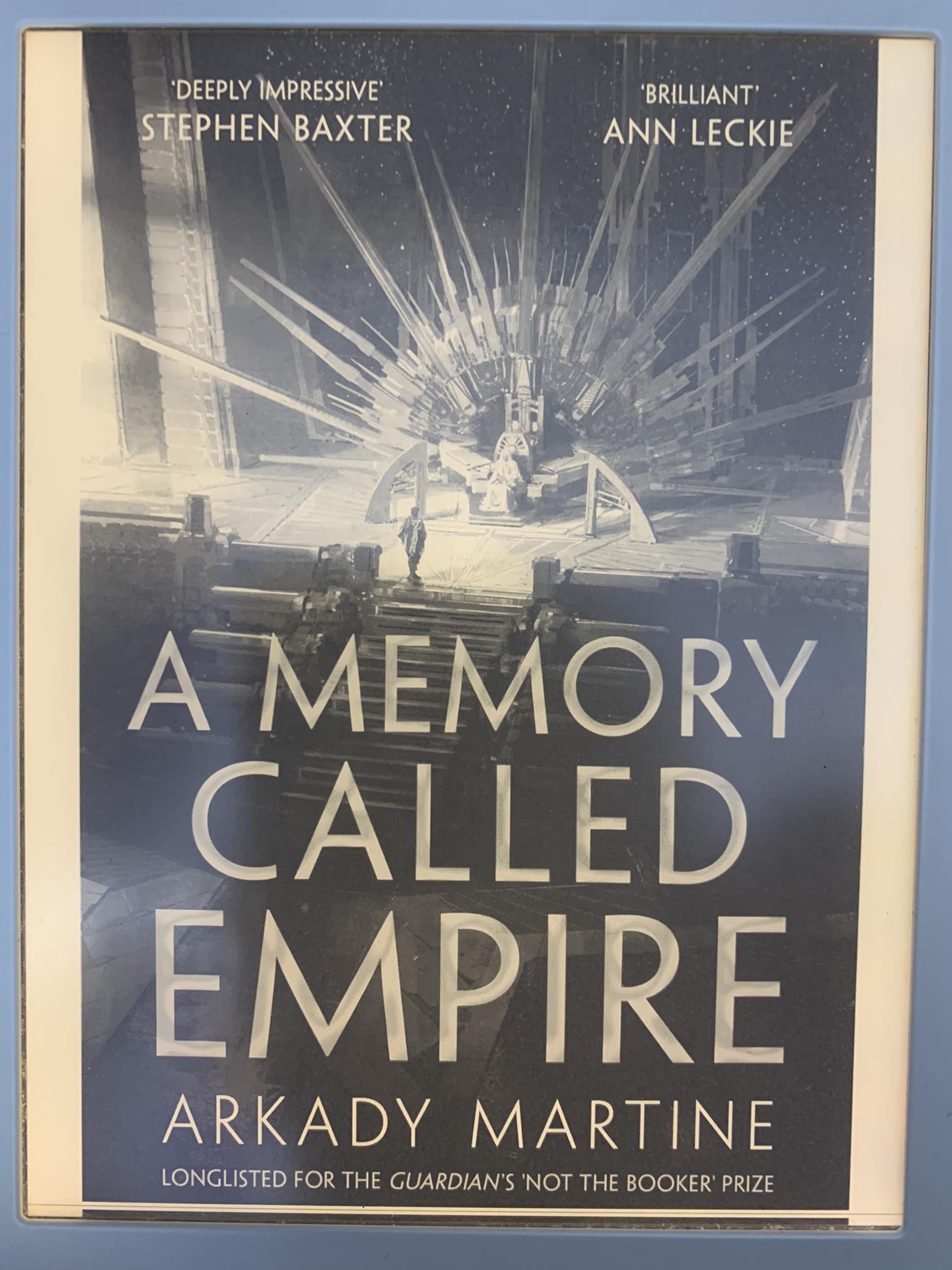
A Memory Called Empire – Arkady Martine (Teixcalaan, book 1)

You pump the dead full of chemicals and refuse to let anything rot—people or ideas or … or bad poetry, of which there is in fact some, even in perfectly metrical verse,” said Mahit. “Forgive me if I disagree with you on emulation. Teixcalaan is all about emulating what should already be dead.” “Are you Yskandr, or are you Mahit?” Three Seagrass asked, and that did seem to be the crux of it: Was she Yskandr, without him? Was there even such a thing as Mahit Dzmare, in the context of a Teixcalaanli city, a Teixcalaanli language, Teixcalaanli politics infecting her all through, like an imago she wasn’t suited for, tendrils of memory and experience growing into her like the infiltrates of some fast-growing fungus.

The book follows the arrival of the new ambassador, Mahit Dzmare, from the independent Lsel station to the empire of Teixcalaan, and her adventures following the murder of the previous ambassador, all while trying to preserve the independence of a her small station. This is a detective thriller, intertwined with imperial intrigue and friendship, on the streets of the monumental capital of the largest interstellar empire.

This is the debut novel for the author AnnaLinden Weller, writing under the pseudonym Arkady Martine. The novel won the Hugo Award and was a finalist for the Nebula Award for Best Novel of 2019.

What is impressive in this book is the quality of prose, exceptional world-building, relatively uncomplicated plot and the memorable characters. The names chosen are unique and the book creates a new vocabulary for this glorious empire of Teixcalaan. One of the profound themes explored is of self and multiple identities, via a device called imago machine, which preserves the memory of the deceased and allows to be incorporated in a new person. The results are generally positive, the deceased being of help, but not without risks.

While usually not my type of book (it was more fiction than science), the quality of prose was undeniable and the story engaging. It is a long book, but hours of reading passed unnoticed, showing the grip that the book makes on the reader. At the no point the story stagnated or paragraphs felt unneeded, despite it’s considerable length. A highly entertaining book.

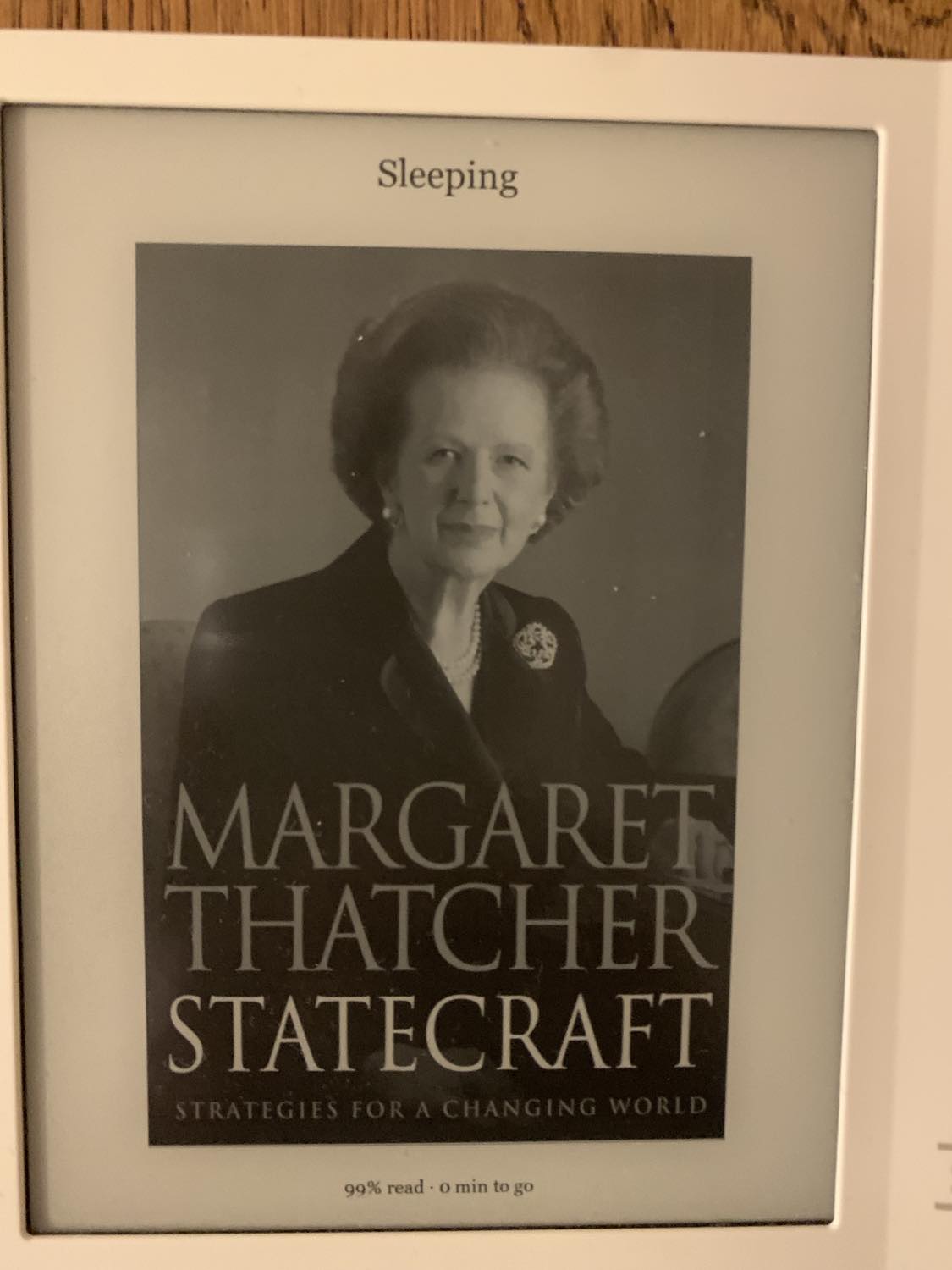
Statecraft – Margaret Thatcher

The West as a whole in the early 1990s became obsessed with a ‘peace dividend’ that would be spent over and over again on any number of soft-hearted and sometimes soft-headed causes. Politicians forgot that the only real peace dividend is peace.

The book is an analysis of the international affairs by the former British Prime Minister, Margaret Thatcher. The book’s chapters are organized geographically, by country or region, but they also have some chapters on the fundamentals of classical liberalism. The analysis aims to guide and advise young politicians on a continuously changing world.

Strongly opinionated, Thatcher argues vigorously for free markets, strong military, prosperous economy, freedom of choice, limited state intervention, rule of law and British exceptionalism. What made Thatcher impressive was her 3 consecutive won elections, despite tough social measures.

The book is from 2002 and appears, in some respect, outdated. However, in many ways, the former Prime Minister was spot on in her analysis of the trends: the autocratic nature of Russia, the prosperity that free markets will bring to China, the bureaucratic European Union, the allure of social measures and strength and enterprise of the United States of America.

The volume is quite long and dense, but every chapter has at the end several main points, highlighted in a bullet-point, bold format, which makes the reading easier. many of her speeches are quoted in the book, but they are well inserted and the book is not just a collection of speeches.

While reading the book, I found myself wondering how many people will actually vote for her today. She combined a strong leader, with clear views, a well organized politician, a woman in a world of mostly men and a conservative liberal in one person. It is interesting that conservative parties, which do not have any gender quotas, but rather look at merit, brought forward most world prime ministers, to what I can remember.

I enjoyed the book, it was entertaining and timeless, pensive, intriguing at times, strong in both criticism and defending the values that she stood for. She must have been a truly remarkable stateswoman.

Colonisation (Tome 6) – Denis-Pierre Filippi, Vincenzo Cucca

Les équipes de l’Agence ont été attaquées. Une branche indépendante d’Écumeurs dirigée par un certain Raylan est parvenue à s’infiltrer dans le vaisseau du Commodore Illiatov. Leur assaut, s’il était destiné à la récolte de données concernant les nefs perdues, ne sera parvenu qu’à une chose : mettre fin à la vie de nombreux agents et notamment à celle du Commodore lui-même. Raylan et ses sbires sont en fuite et mènent la danse, agissant toujours avec un coup d’avance. La menace s’intensifie, les morts se multiplient et l’escouade de Milla réalise peut-être trop tard que l’ennemi qui lui fait face est le plus rusé et le plus redoutable qu’elle ait jamais eu à affronter.

Colonisation est le 6ème tome de la série des bandes dessinées par scénariste Denis-Pierre Filippi et dessinateur Vincenzo Cucca. Les dessins et le scénario sont captivants et clairement profondément pensés. La série est imaginative et pleine d’action. Les inconvénients sont le manque de science dure à certains moments, comme aller sur une planète extraterrestre dangereuse (haut de gamme) par l’équipe de recherche sans casque.

Le context de l’histoire est l’humanité dans le futur, envoyant des colonies dans le grand espace. Cependant, des extraterrestres bien intentionnés offrent à l’humanité le cadeau de voyager vite dans l’espace. Les colonies sont un prix élevé du marché noir et l’Agence est formée, pour trouver et protéger des braconniers maléfiques ces colonies perdues. La série suit les aventures de l’agence dans sa mission de défendre les colonies humaines perdues.

Dans ce volume 6, l’Agence tente de capturer un braconnier habile appelé Raylene, qui s’avère plus ingénieux et impitoyable que prévu.

Défendre les colonies humaines perdues contre les braconniers maléfiques dans le futur lointain de l’humanité.

Le volume était captivant et les dessins capturaient magnifiquement l’immensité de l’espace et de l’humanité dans le futur. Si l’histoire est forte, les dialogues sont moins forts que les illustrations, qui sont vraiment mémorables. Les scènes d’action et l’histoire elle-même sont bien mises en page et facilitent la lecture et le suivi de l’action pour le lecteur.

Dans l’ensemble, même si elle manque parfois de science dure, la série est captivante et avec des illustrations mémorables.