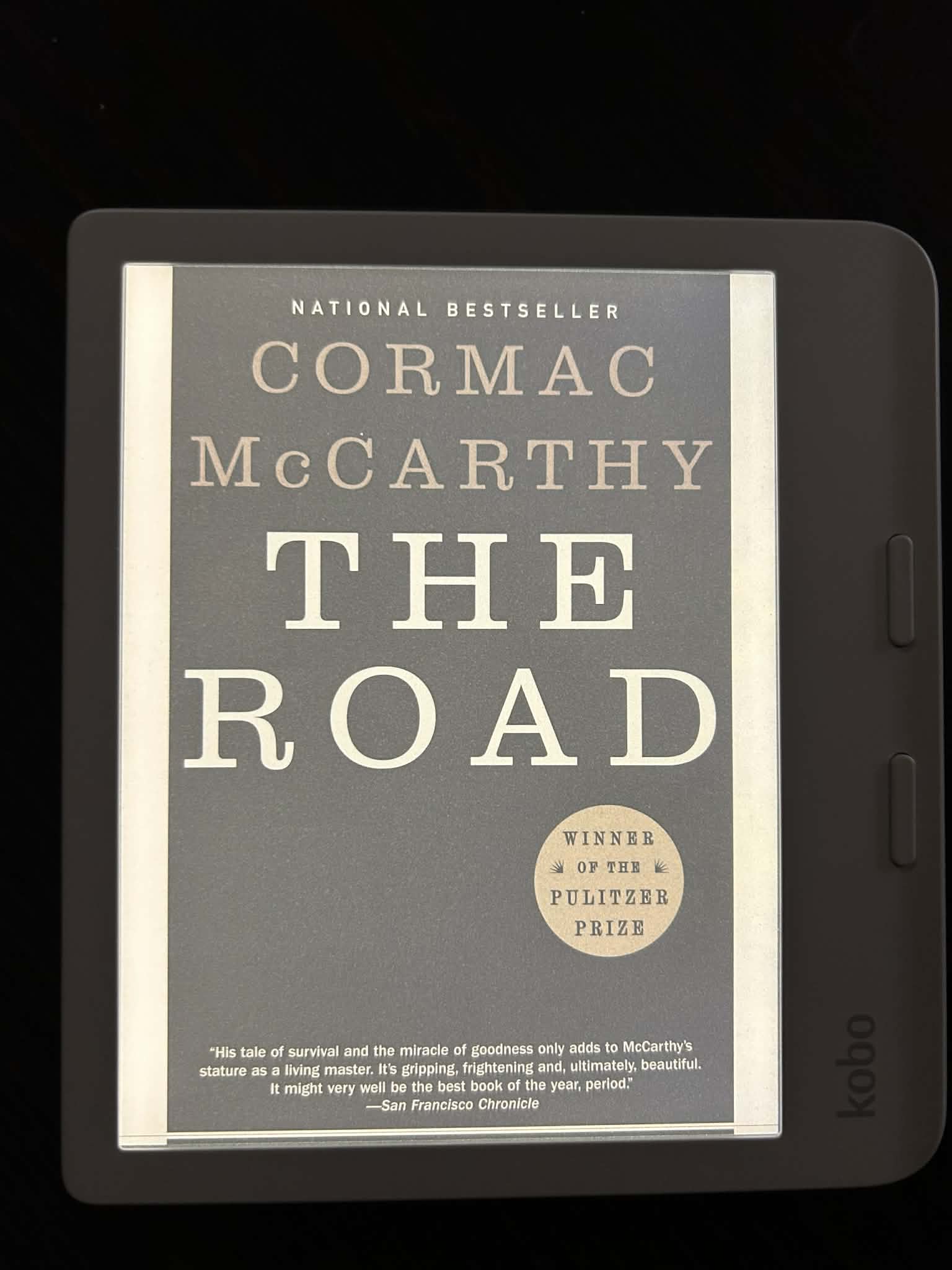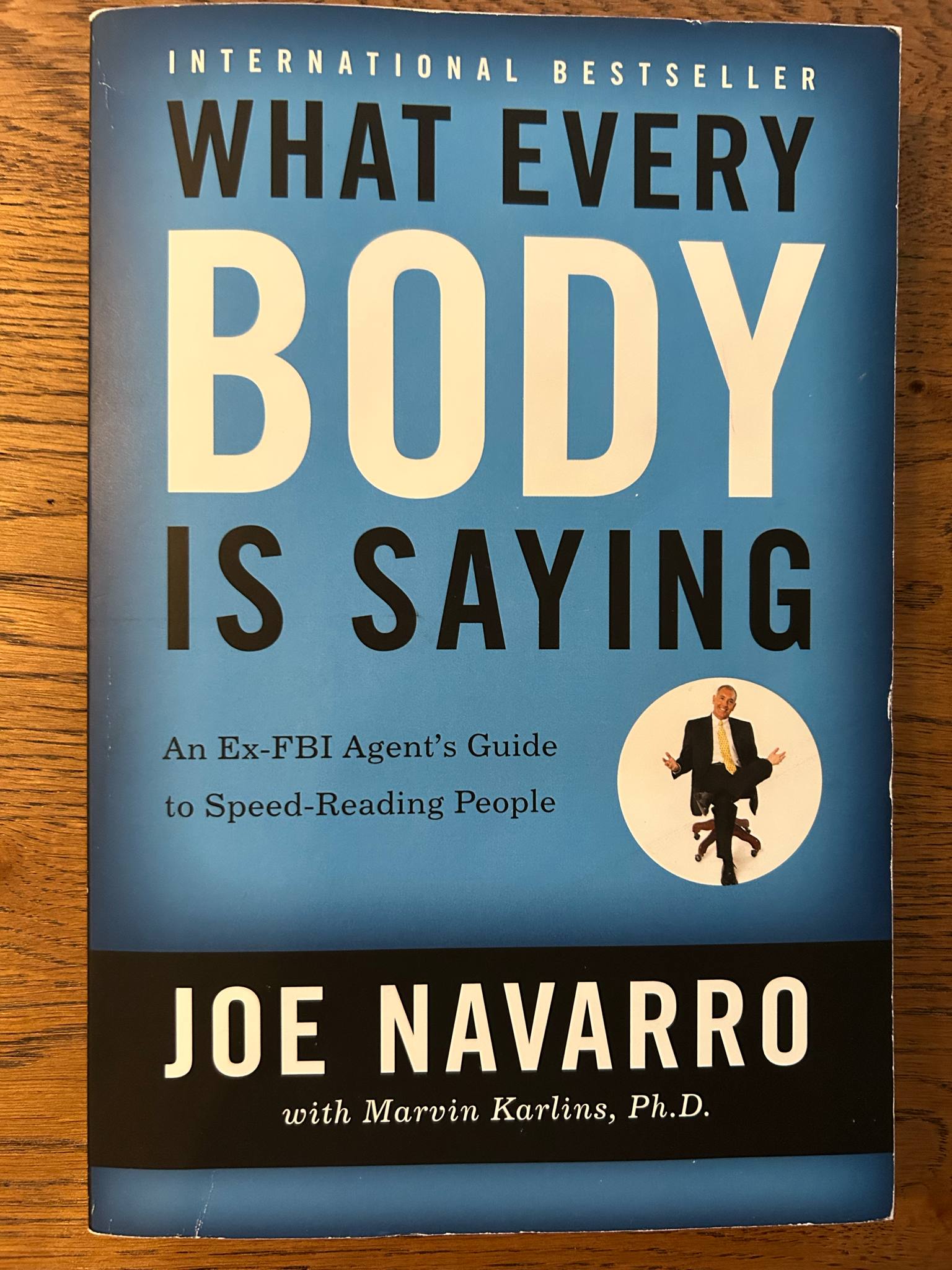
What Every Body is Saying: An Ex-FBI Agent’s Guide to Speed-Reading People – Joe Navarro, Marvin Karlins

For our purposes, any touching of the face, head, neck, shoulder, arm, hand, or leg in response to a negative stimulus (e.g., a difficult question, an embarrassing situation, or stress as a result of something heard, seen, or thought) is a pacifying behavior. These stroking behaviors don’t help us to solve problems; rather, they help us to remain calm while we do. In other words, they soothe us. Men prefer to touch their faces. Women prefer to touch their necks, clothing, jewelry, arms, and hair.

The book presents how one can read the body language of another person. Joy, sadness, discomfort, anxiety, lying, distress, etc. – can be inferred by observing gestures and movements of a person. The book structures all the movements in chapters based on human anatomy: legs, face, arms, etc. However, the authors are clear that no single gesture betrays a feeling, but a more holistic observation is always required. To reinforce their arguments, Joe Navarro and Marvin Karlins employ relevant academic literature to explain why humans gesture and move their bodies in certain way when strong feelings occur.

Joe Navarro, the main author, was FBI’s top body expert, specialized in interviewing techniques, but also employed by the private sector in corporate negotiations. He is now an author and university professor in the United States.

The book is not providing any groundbreaking advice, but organizes in an ingenious, structured way human gestures revealing strong feelings. The book also tries to explain why we use the gestures we do. In more detail, the book argues that the limbic system is the one triggering the reactions. Humans tend to calm themselves by using pacifying gestures, which can be read and interpreted externally. Excellent images to portray gestures are employed in the book.

I enjoyed the book and though that lots of common sense and good advice is packed in a book. It is clear that the book is not a manual to deceive, but to learn to be more considerate to people and notice signs of distress. I learned gestures to show openness, like not hiding the hands: a simple gesture of putting the hands on the table when taking with someone, and not hiding them beneath the table helps to create a better connection. A great book overall!

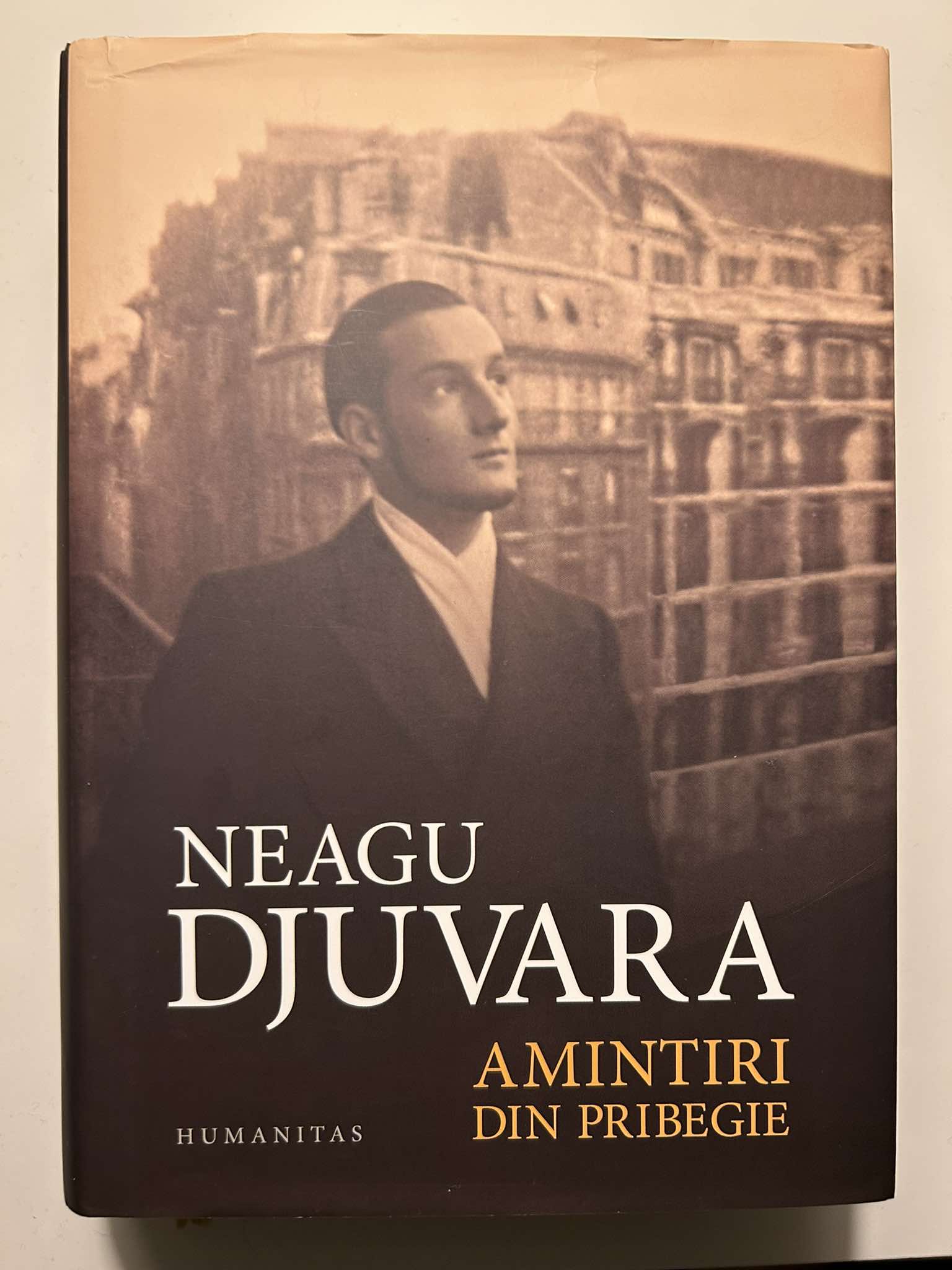
Amintiri din pribegie – Neagu Djuvara

Mănescu mă întâmpină cu un zâmbet larg, îmi strânge mâna cu efuziune; se bucura, cică, să mă-ntânlească și deodată face un gest, îl cheamă pe fotograful oficial și, luându-mă de după umeri și trăgându-mă între el și Diori, zice în franțuzește:
-Să facem o fotografie de familie…
M-a trecut un fior, o nădușeală rece pe spinare: apare mâine în Scânteia o poză cu Corneliu Mănescu, măreț, triumfal, alături de un președinte negru și de… Neagu Djuvara, de care poate-și mai aduc aminte unii, că a vorbit cu anii la Radio Europa Liberă și era anticomunist focos, și-și vor zice: ,,Și ăsta s-a dat cu ei!…”
Atunci, ca o inspirație de Sus, mi-a pornit o mișcare a mâinii pentru a astupa obiectivul aparatului și, părăsindu-i pe Mănescu și pe Diori, am zis:
-Nu! Fotografiile-s numai pentru cei mari ai lumii!- și am ieșit din birou.

Neagu Djuvara isi povesteste amintirile intr-o proza captivanta si plina de cultura, de la plecarea sa la Stockholm ca atasat diplomatic in 1943, pana la revenirea in tara, dupa revolutia din 1989. Cu o viata fascinanta, de boier saracit, dar inca plin de nobilime, cultura si inteligenta, Djuvara trece de la diplomat roman, refugiat politic in Franta, diplomat in Republica Niger, pensionar la Paris si apoi, in sfarsit, revenit in tara.

Sunt atatea povesti si amintiri frumoase ce le prezinta, detasat, intim, plin de umor si finete. Un intelectual desavarsit, viseaza toata viata la o cariera profesorala si studiaza adanc istorie, drept si antropologie. Abia dupa 70 de ani ajunge profesor, in Romania, dar cartile sale il fac si mai apreciat.

Neagu Djuvara se plange mereu de lipsa de bani in cartea lui de memorii, dar in fotografiile si povestile ce le prezinta, arata din plin unde a investit: in educatie, prietenii, calatorii si lucruri de calitate. O viata traita din plin.

Ce se desprinde din carte in primul rand este calitatea scrierii, observatiile fine, extraordinarul compas moral si claritatea in gandire. Traind peste 100 de ani, Neagu Djuvara scrie cu intelepciunea unuia ce a trecut prin viata, a vazut multe, a inteles cate ceva si lasa invatatorile celor tineri. O extraordinara carte scrisa de unul dintre cei mai eruditi, intelepti si fermecatori scriitori romani.

O scurtă istorie a românilor povestită celor tineri – Neagu Djuvara

Această Românie Mare e o ţară care se naşte cu dificultăţi uriaşe – trebuiau să se adune şi să se gospodărească împreună oameni care nu s-au aflat niciodată sub aceeaşi cârmuire. Ceea ce-i uneşte pe toţi românii este faptul de a vorbi aceeaşi limbă. Am mai spus că suntem poate singura ţară din Europa, în afară de micile ţări, al cărei sentiment naţional este exclusiv întemeiat pe faptul că vorbim aceeaşi limbă de la Nistru până la Tisa.

Neagu Djuvara prezintă într-un limbaj simplu și captivant istoria teritoriului unde este azi România și a românilor. Capitolele sunt organizate în funcție de clasicele epoci istorice, dar punând în evidență simboluri și momente importante. Uneori, detalii interesante sunt prezentate, de exemplu cum au reușit politicienii români ai vremii să găsească un domn străin (Carol).

Comentariile politice ale lui Neagu Djuvara dau de gândit. Uneori, autorul se întreabă cum ar fi fost cursul istoriei dacă s-ar fi luat alte decizii politice, la timpul lor. Profunzimea soluțiilor propuse de Djuvara, pe baza unor principii solide, mult bazate pe onoare și prestigiu internațional, deschid noi orizonturi. De exemplu, Djuvara se întreabă de ce am semnat armistițiul cu Germania în primul război mondial, când americanii tocmai debarcaseră în Europa (ceea ce a îngreunat mult negocierile cu aliații, căci noi promisesem să nu semnăm pace separată). Sau, bunăoară, de ce am cedat Basarabia în al doilea război mondial, fără să ne batem. Sigur am fi pierdut, dar am fi fost poate mai bine la masa negocierilor în timpul și după război.

Neagu Djuvara este un istoric cu o viață și experiență legendare. Născut dintr-o veche familie boierească, se luptă în al doilea război mondial, rănit la Odessa; intră în ministerul de externe, unde este plin de peripeții, emigrează în Franța, apoi în Niger; își ia doctorului la Sorbona; apoi se întoarce în România să predea, chiar după revoluția din 1989. Trăiește 101 ani, fiind lucid până la moarte.

Fascinant sunt prezentate cum se fac calculele politice la nivel înalt, cât de mult contează latura personală, familia, prieteniile, încrederea; totul foarte logic și uman.

Cartea lui Neagu Djuvara este una din puținele cărți pe care am recitit-o. Un volum extraordinar, ce păstrează perfect proporțiile a ceea ce se întâmplă pe teritoriile românești, în comparație cu evoluțiile mondiale.

Project Hail Mary – Andy Weir

Oh thank God. I can’t imagine explaining “sleep” to someone who had never heard of it. Hey, I’m going to fall unconscious and hallucinate for a while. By the way, I spend a third of my time doing this. And if I can’t do it for a while, I go insane and eventually die. No need for concern.

The book follows the story of the sole survivor of a human crew in their interstellar voyage to find a cure for the microbes that infect the sun and threaten the future of humanity. The narrative is a mix of hard science fiction with comedy.

What a book! For hard science fictions fans this is an almost perfect combination of hard astronomy and physics lessons, a very credible plot, humour, aliens and survival in space. I could not leave the book from my hands.

The story starts with an unexpected dimming of the sun that quickly is determined to be by an infection with some mysterious microbes that simply take energy from the sun and then travel to the highest carbon dioxide-heavy planet (it’s not Earth) to reproduce, return to the sun and restart the cycle. On the other hand, the microbes store immense energy, which changes all interstellar travel paradigm. The dimming of the sun will have rather quickly catastrophic effects on Earth, in only a few decades. All stars around our solar system dim, except one.

A crew is quickly assembled to find if this star has any solutions to Earth’s problems, but only our protagonist survives. And the quest begins.

What is most engaging in this book is that there is no secret recipe, no luck involved, just hard work and using existing tools offered by science and environment. Problems come one after another, but through determination and team work, they are gradually resolved.

A superb book by the author of “The Martian”! I really enjoyed it.

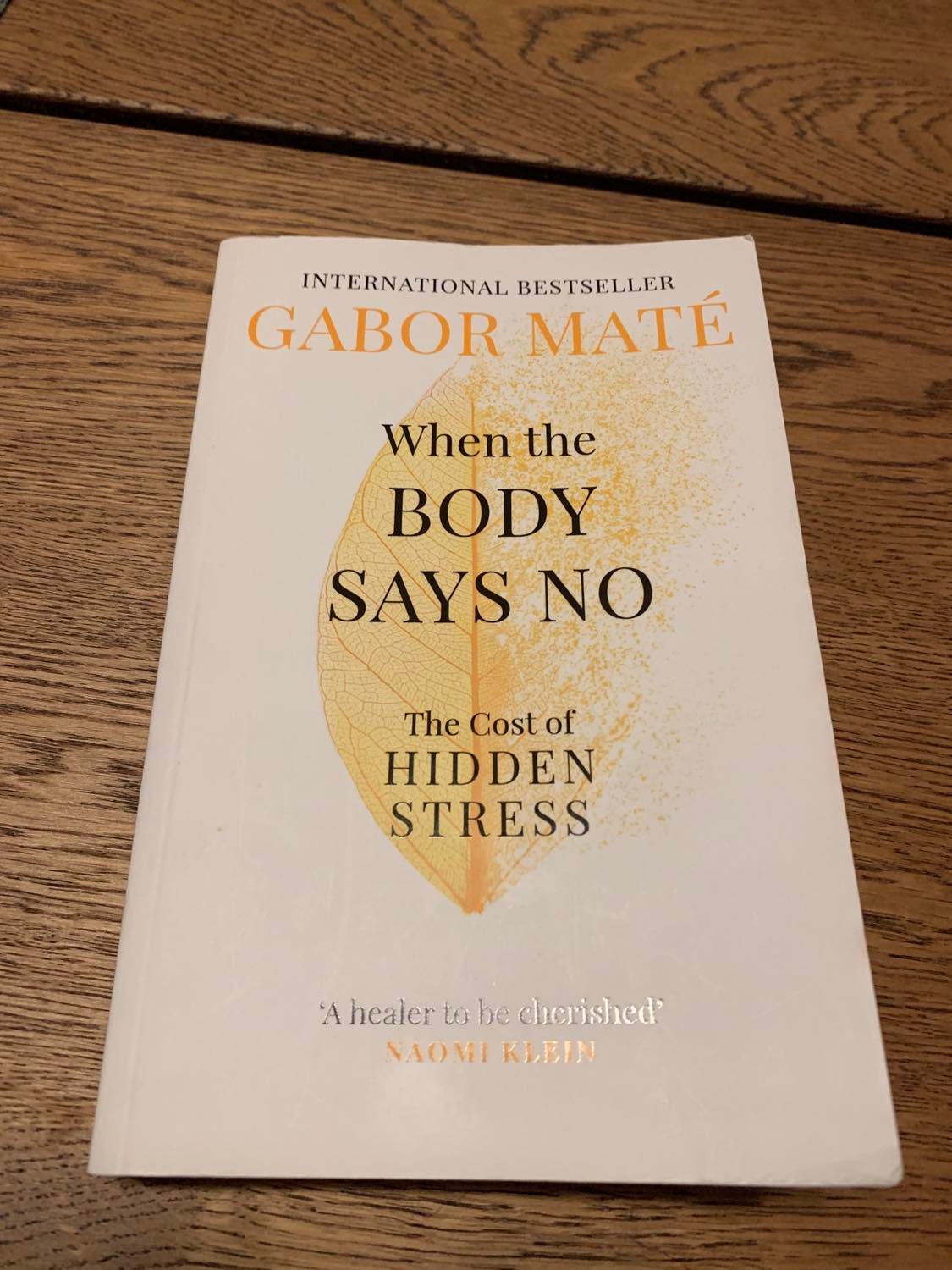
When the Body Says No: The Cost of Hidden Stress – Gabor Maté

When we have been prevented from learning how to say no, our bodies may end up saying it for us.

While it is common knowledge that stress is affecting one’s health, Dr Gabor Mate takes it a step further and analyses the impact of stress on body by looking into a patient’s childhood, relationship with partners, work and life in general.

The book is bold in its suggestion that body is over mind, considering that a person cannot accumulate stress and tension without effect. Dr Mate goes as far as saying that there is a “cancer” profile, where physicians can increase the chances of confirming cancer by looking at a patient’s personality. The ones who always try to help others, cannot say no to demands and are always smiling, those people simply bottle up negative emotions that would surface as an autoimmune disease.

An interest concept put forward by the author is the difference between rage and anger. He promotes the idea that it is ok to be angry and let tension exit the body. An angry person relaxes its body, takes a long breath and lets tension out. This comes in contrast with rage, which is uncontrolled violence (physical, verbal, behavioural). A person in a rage has all muscles contracted, does not breath correctly and accumulates tension.

The cost of hidden stress

The book is full of various medical cases and draws heavily on medical research, making it a somewhat dry reading. Nevertheless, this does not draw from the appeal of understand how our choices are affecting us.

It finishes with Seven A’s of Healing: principles of healing and the prevention of illness from hidden stress:

    • Acceptance – accepting us how we are
    • Awareness – of our bodies and what they are telling us
    • Anger – in Dr. Mate’s view, anger has cognitive value and works as a way to release tension and negative emotions
    • Autonomy – independent thoughts and actions
    • Attachment – being connected with others is healing
    • Assertion – speak up for ourselves
    • Affirmation – affirming our creating selves, and also our connection to something bigger.

    The book is really wonderful and warmly recommend to read, whenever we feel that life takes over us.

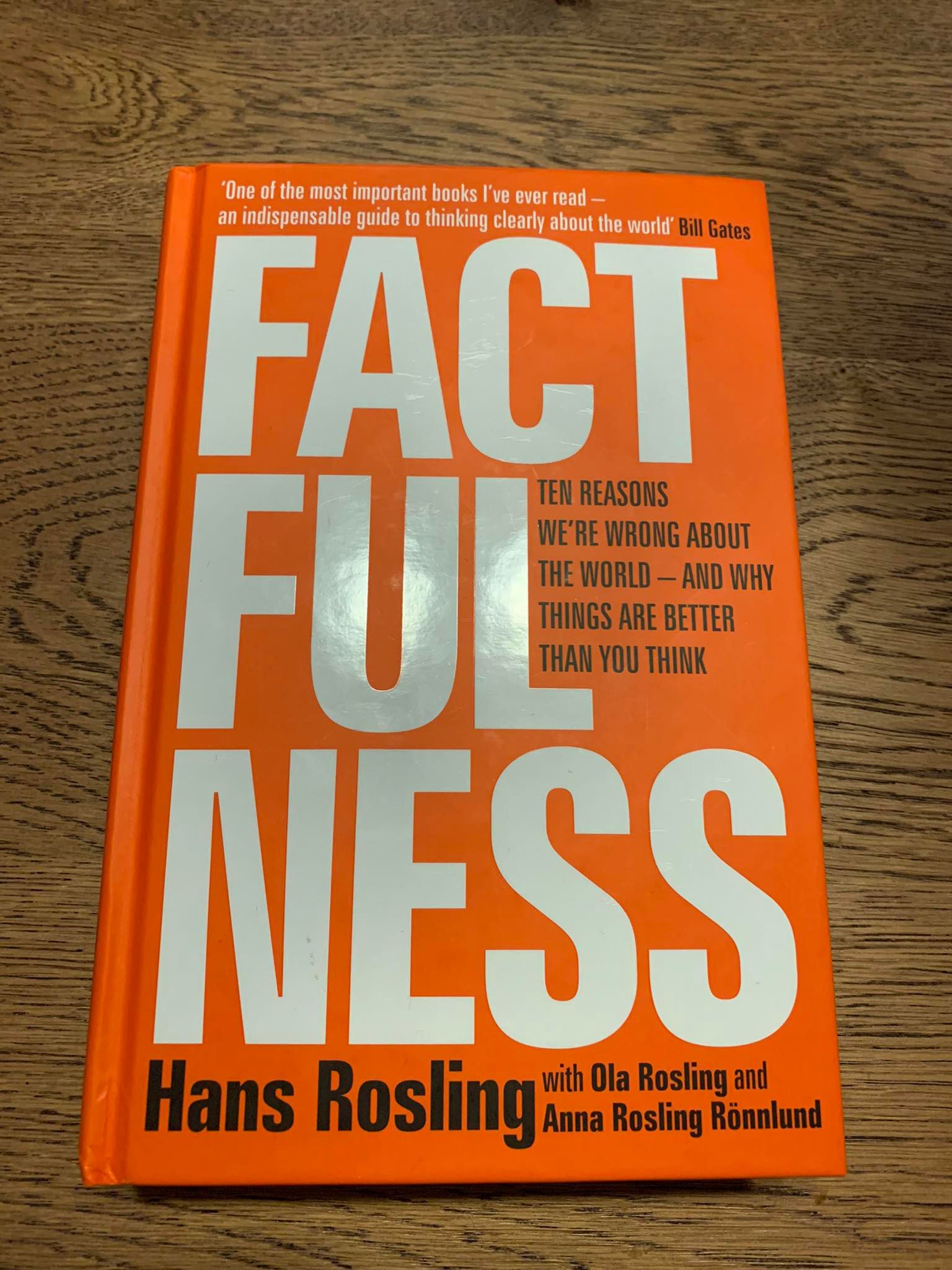
    Factfulness – Hans Rosling

    This is data as you have never known it: it is data as therapy. It is understanding as a source of mental peace. Because the world is not as dramatic as it seems. Factfulness, like a healthy diet and regular exercise, can and should become part of your daily life. Start to practice it, and you will be able to replace your overdramatic worldview with a worldview based on facts. You will be able to get the world right without learning it by heart. You will make better decisions, stay alert to real dangers and possibilities, and avoid being constantly stressed about the wrong things.

    The central idea of the book is that world is much better than you think and it is getting better. Hans Rosling presents with data how world improved over time and shows with surveys how pessimistic without cause the reader is. While not perfect, the world is indeed getting better and the author presents the pessimistic biases we have.

    The book is structured in 10 chapters, presenting an instinct that we must be aware from:

    1. The Gap Instinct
    2. The Negativity Instinct
    3. The Straight Line Instinct Exercise: Question Your Assumptions
    4. The Fear Instinct
    5. The Size Instinct
    6. The Generalization Instinct Exercise: Getting the Full Picture
    7. The Destiny Instinct
    8. The Single Perspective Instinct
    9. The Blame Instinct
    10. The Urgency Instinct

    The book was written in the last months of life of Doctor Hans Rosling and seems to encompass his last message to the world: that we should leave bias and look for data, which will help us to create a better world and be more successful in medicine, business and development.

    The book is thoroughly entertaining, full of imagines and survey questions that make the read a pleasure. It challenges the reader to rethink the world around. What is really the masterstroke is presenting data in a way that is easy to understand and delivers a clear message.

    One of the most thought-provoking, well-written books on the world and developing trends currently on the shelves.

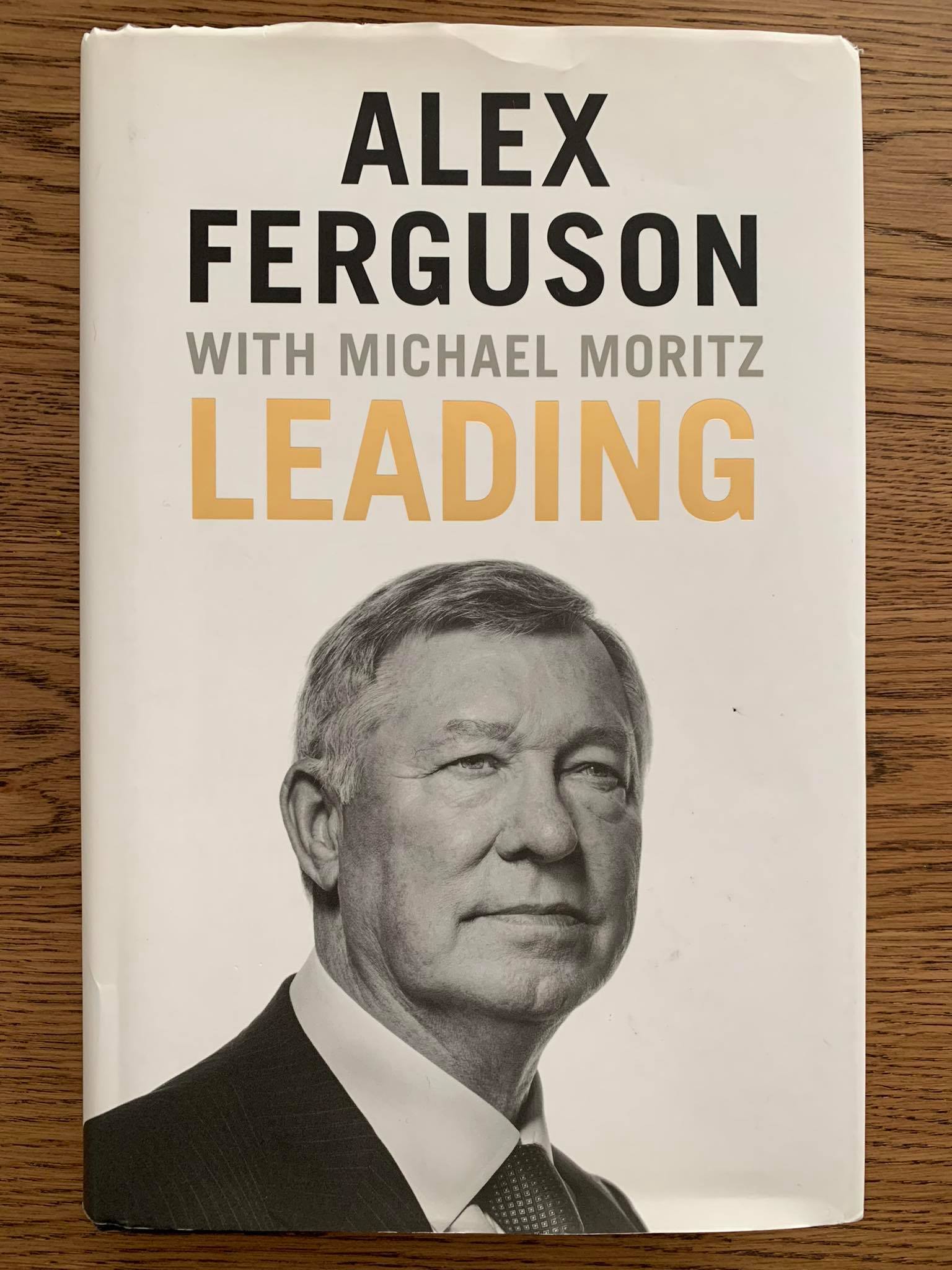
    Leading – Alex Ferguson, with Michael Moritz

    If I were running a company, I would always want to listen to the thoughts of its most talented youngsters, because they are the people most in touch with the realities of today and the prospects for tomorrow.

    The book presents the leadership philosophy of Alex Ferguson, the Scottish football manager who managed Manchester United from 1986 to 2013. During his time at the club, Ferguson won more major trophies than any other football manager, making him one of the most successful and respected managers in the history of the game.

    “Leading” covers quite a lot of chapters, from communication (content and delivery of message) and building an organisation to important traits of character for the team and avoiding complacency. Ferguson presents this book as a series of well-placed anecdotes, making the book memorable and easy to read.

    It does not fall into the trap of presenting juicy stories about football stars, but appears to genuinely present Ferguson’s thinking on leadership. In a way, it a memoir, but only looking at the managing the club part.

    It is impressive to see how far ahead in time his thinking went and how important for him were discipline and winning character. He understood that he was a hired hand for a job and did not harbour any delusions of grandeur, although he might have been entitled to. Ferguson seems to have a clear sense of hierarchy and always presents the owners of the club with greatest respect.

    The desire to be a champion and the winning mentality transcends from the book. No matter the challenge, there was no excuse to not aim for winning a trophy. Ferguson was immune to the budget, luck or unfair advantages of other teams. It was just one more challenge among others, no excuse to not aim for the top.

    The book is considered one of the best in football coaching and tops many charts. An excellent read, even for those not interested in football.

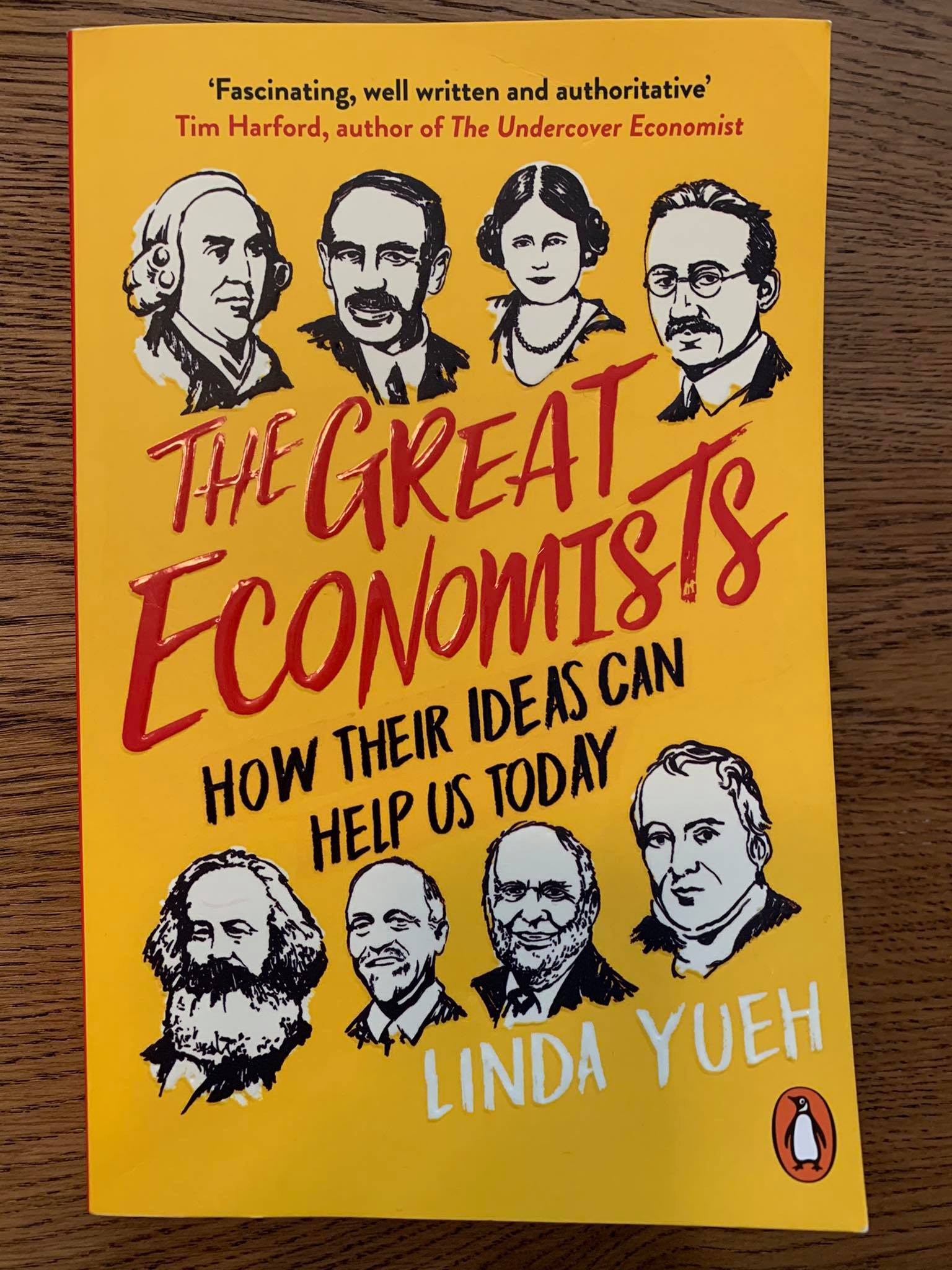
    The Great Economists: How Their Ideas Can Help Us Today – Linda Yueh


    Joan Robinson points out that if markets are imperfectly competitive, then firms can earn economic rents because rents aren’t entirely eroded by competition. In that situation, firms have market power…a theory of ‘monopsony’ [refers] to the market power that firms can wield in the labour market alongside the more familiar and established term, monopoly power, where firms have market power in the product market and can charge more for a good or service above their costs, earning them monopoly profits. Monopsony power allows employers to pay workers less than the value of their output, and keep more for themselves.

    The book presents a selection of 12 illustrious economists, from the modern era to contemporary times. Linda Yueh introduces the reader to the ideas, times and life of those economists, but also speculates how one such economist would answer to the hot questions of today, from his/her perspective.

    The Great Economists includes:
    Adam Smith
    David Ricardo
    Karl Marx
    Alfred Marshall
    Irving Fisher
    John Maynard Keynes
    Joseph Schumpeter
    Friedrich Hayek
    Joan Robinson
    Milton Friedman
    Douglass North
    Robert Solow

    Linda Yueh is actually an economist, a fellow of the University of Oxford and assistant professor at the London Business School. A formal lawyer and journalists, she tries to present the groundbreaking ideas of those 12 economists in simple, non-academic terms. On that front, Yueh marvelously encapsulates the times and concepts put forward by those famous economists in the last three centuries.

    The book is structured in 12 main chapters, each presented an economist. Each chapter is further divided into an introduction to the economist’s ideas, a presentation of his/her times, a study of today’s societies, with no focus on a particular country, and finally, a subsection where the economists’ ideas are tested to see how they can help us for today’s problems.

    The book is truly enjoyable, particularly for a reader accustomed with the domain. It is a great reminder of important economic ideas. It is an interesting read for someone outside the domain as well, as it acts as a textbook, including a dictionary of terms at the end. I particularly liked the short biography for each economist and the brief presentation of the times they lived, bringing many insights into the motivations for their research.

    Maybe exploring more the answers that such economists could have given to today’s questions would make the book even more interesting. I would have been delighted to see more economists added into the book, as each was carefully presented through the lens of their time and with a well-written, thoughtful and clear introduction of their ideas.

    Overall, a great book to read that has a deserved place on my bookshelf.

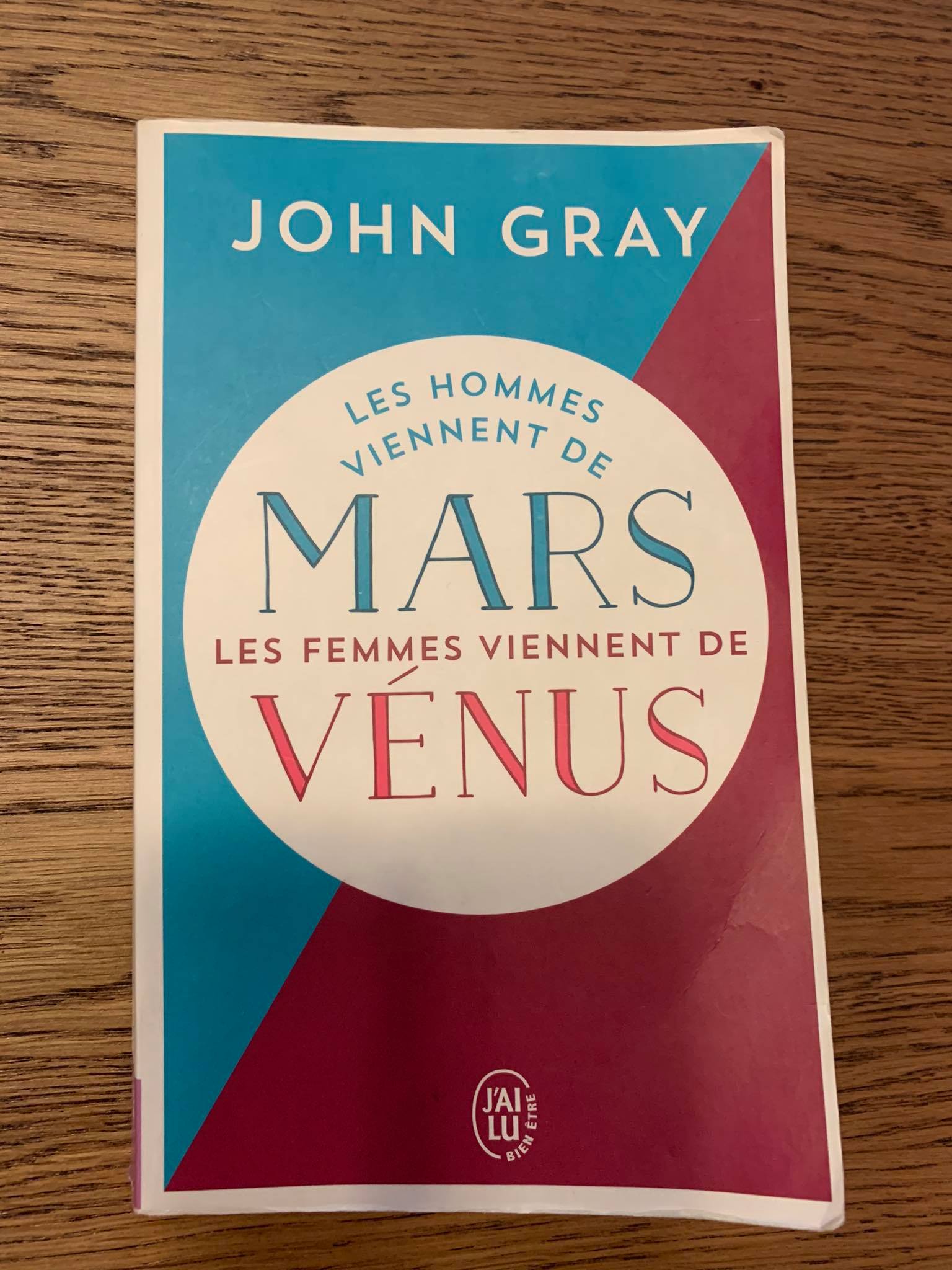
    Les hommes viennent de Mars les femmes viennent de Vénus – John Gray

    Les hommes et les femmes ne se ressemblent pas. Tout le monde le sait mais peu d’entre nous mesurent à quel point cette différence complique la vie des couples. C’est comme si chacun venait d’une autre planète. Nous ne réagissons pas de la même manière au stress, aux soucis quotidiens, à l’argent, à l’amour. Il s’ensuit parfois de graves malentendus… Ce livre nous propose de découvrir la façon dont fonctionne ” l’étranger ” qui est en face de nous, afin de faciliter l’existence commune. Et il y a beaucoup à faire ! Analyser les attitudes, décoder les messages, adapter son langage à celui de la ” planète ” opposée, apprendre à demander, à offrir, à discuter avec les mots de l’Autre et même… à se disputer utilement !

    C’est l’un des meilleurs livres sur l’amélioration de la vie des couples. Le livre n’apporte rien de nouveau ou d’innovant, juste des conseils simples, mais très bien expliqués et écrits.

    Le livre parle des différences de communication, de compréhension, de valeurs et d’objectifs que les hommes et les femmes ont généralement. Comprendre ces différences, parfois si éloignées qu’elles semblent provenir de planètes différentes, est la clé d’une vie de couple saine.

    Je l’ai lu du point de vue d’un homme et cela m’a aidé à mieux comprendre les situations difficiles et à comprendre ma femme.

    Le plus utile pour moi a été de trouver, vers la fin du livre, une liste de 101 choses que je peux faire pour rendre ma femme heureuse. Ce sont de petites choses simples, loin des grands gestes que nous, hommes, sentons parfois nécessaires pour prouver notre amour.

    Les livres conseillent de petits, mais fréquents cadeaux à notre femme, pour montrer notre appréciation, plutôt qu’un grand geste par an. Je pense que nous devons travailler sur une relation amoureuse tous les jours et ce livre aide définitivement à être un meilleur partenaire.

    Enfin, je recommande vivement la lecture de ce livre à tous ceux qui souhaitent sauver ou améliorer une relation, mais ausssi comme conseil general.

    The Future of Humanity: Terraforming Mars, Interstellar Travel, Immortality and Our Destiny Beyond Earth – Michio Kaku

    The deep space transport uses a new type of propulsion system to send astronauts through space, called solar electric propulsion. The huge solar panels capture sunlight and convert it to electricity. This is used to strip away the electrons from a gas (like xenon), creating ions. An electric field then shoots these charged ions out one end of the engine, creating thrust. Unlike chemical engines, which can only fire for a few minutes, ion engines can slowly accelerate for months or even years.

    The Future of Humanity is one of the best books on science and astrophysics published in English language. It is now already considered a classical book on futurism and cosmology.

    The book starts imagining how humans may solve some of the technical challenges in exploring space. Transport, propulsion, habitats, the economics of trying to finance the space exploration, robots are discussed, using the latest scientific discoveries. A lesson in astrophysics is offered, explaining our sun system, galaxy and the universe at large. Towards the end of the book, the latest theories proposed to explain the universe as wee see it are described.

    Michio Kaku is professor of theoretical physics in the City College of New York and a proponent of the string theory (theory in which the point-like particles of particle physics are replaced by one-dimensional objects called strings). He wrote several well-received books on futurism and physics.

    It is an awe-inspiring call to try and reach the starts. The message of the book is to not forget the long term: expand beyond our native planet, otherwise the nature will overwhelm us. I am making an exception and will add another quote from this author, which I find revealing:

    Looking back at those dark days, I am sometimes reminded of what happened to the great Chinese imperial fleet in the fifteenth century. Back then, the Chinese were the undisputed leaders in science and exploration. They invented gunpowder, the compass, and the printing press. They were unparalleled in military power and technology. Meanwhile, medieval Europe was wracked by religious wars and mired in inquisitions, witch trials, and superstition, and great scientists and visionaries like Giordano Bruno and Galileo were often either burned alive or placed under house arrest, their works banned. Europe, at the time, was a net importer of technology, not a source of innovation.

    I devoured the book in about three days. It is easy to read, the concepts from physics are easy to follow, despite their complexity, and the ideas proposed feel innovative and optimistic. A great book, particularly for young adults, searching for a meaning in life.