Amintiri din pribegie – Neagu Djuvara

Mănescu mă întâmpină cu un zâmbet larg, îmi strânge mâna cu efuziune; se bucura, cică, să mă-ntânlească și deodată face un gest, îl cheamă pe fotograful oficial și, luându-mă de după umeri și trăgându-mă între el și Diori, zice în franțuzește:
-Să facem o fotografie de familie…
M-a trecut un fior, o nădușeală rece pe spinare: apare mâine în Scânteia o poză cu Corneliu Mănescu, măreț, triumfal, alături de un președinte negru și de… Neagu Djuvara, de care poate-și mai aduc aminte unii, că a vorbit cu anii la Radio Europa Liberă și era anticomunist focos, și-și vor zice: ,,Și ăsta s-a dat cu ei!…”
Atunci, ca o inspirație de Sus, mi-a pornit o mișcare a mâinii pentru a astupa obiectivul aparatului și, părăsindu-i pe Mănescu și pe Diori, am zis:
-Nu! Fotografiile-s numai pentru cei mari ai lumii!- și am ieșit din birou.

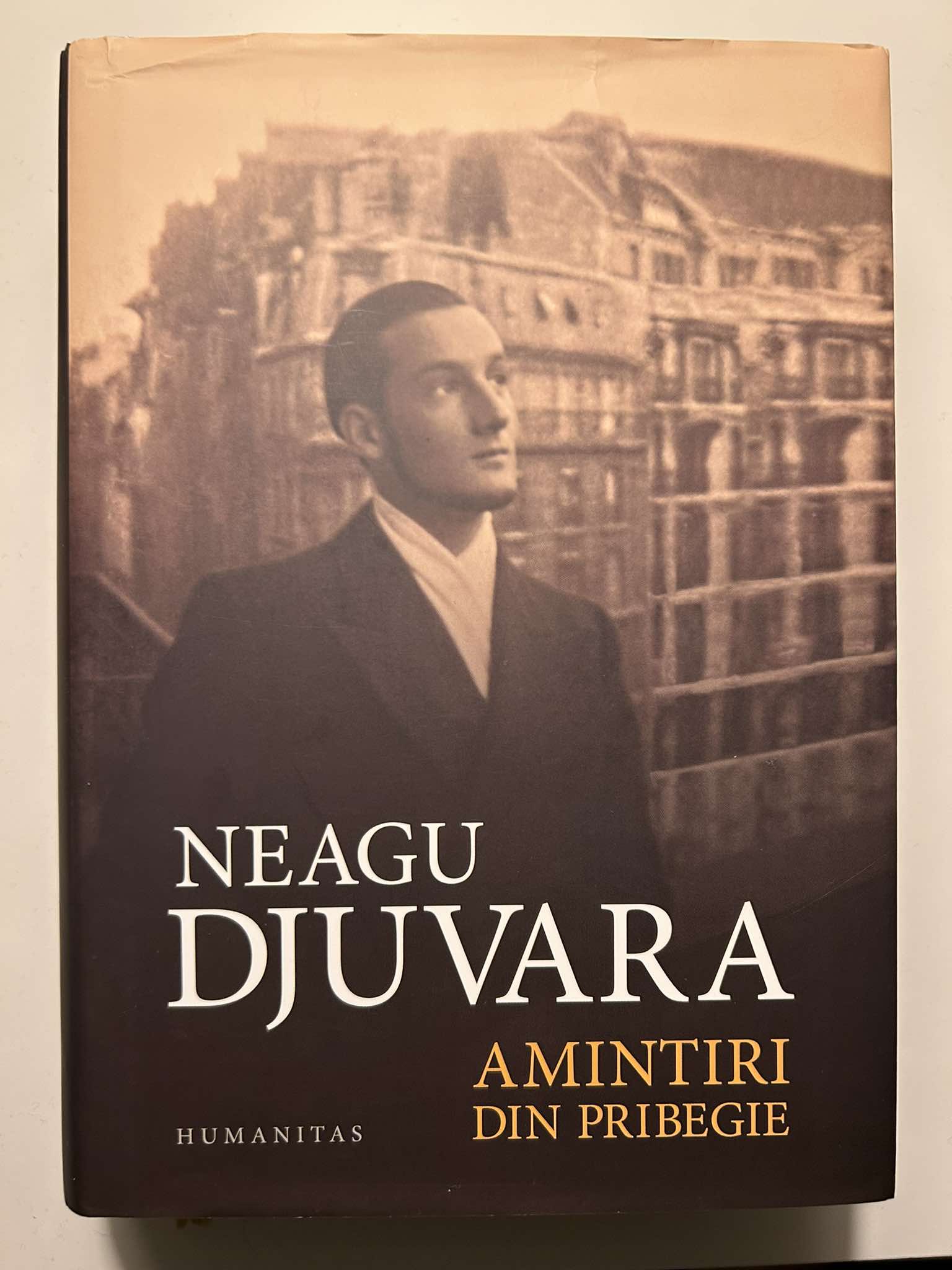
Neagu Djuvara isi povesteste amintirile intr-o proza captivanta si plina de cultura, de la plecarea sa la Stockholm ca atasat diplomatic in 1943, pana la revenirea in tara, dupa revolutia din 1989. Cu o viata fascinanta, de boier saracit, dar inca plin de nobilime, cultura si inteligenta, Djuvara trece de la diplomat roman, refugiat politic in Franta, diplomat in Republica Niger, pensionar la Paris si apoi, in sfarsit, revenit in tara.

Sunt atatea povesti si amintiri frumoase ce le prezinta, detasat, intim, plin de umor si finete. Un intelectual desavarsit, viseaza toata viata la o cariera profesorala si studiaza adanc istorie, drept si antropologie. Abia dupa 70 de ani ajunge profesor, in Romania, dar cartile sale il fac si mai apreciat.

Neagu Djuvara se plange mereu de lipsa de bani in cartea lui de memorii, dar in fotografiile si povestile ce le prezinta, arata din plin unde a investit: in educatie, prietenii, calatorii si lucruri de calitate. O viata traita din plin.

Ce se desprinde din carte in primul rand este calitatea scrierii, observatiile fine, extraordinarul compas moral si claritatea in gandire. Traind peste 100 de ani, Neagu Djuvara scrie cu intelepciunea unuia ce a trecut prin viata, a vazut multe, a inteles cate ceva si lasa invatatorile celor tineri. O extraordinara carte scrisa de unul dintre cei mai eruditi, intelepti si fermecatori scriitori romani.

O scurtă istorie a românilor povestită celor tineri – Neagu Djuvara

Această Românie Mare e o ţară care se naşte cu dificultăţi uriaşe – trebuiau să se adune şi să se gospodărească împreună oameni care nu s-au aflat niciodată sub aceeaşi cârmuire. Ceea ce-i uneşte pe toţi românii este faptul de a vorbi aceeaşi limbă. Am mai spus că suntem poate singura ţară din Europa, în afară de micile ţări, al cărei sentiment naţional este exclusiv întemeiat pe faptul că vorbim aceeaşi limbă de la Nistru până la Tisa.

Neagu Djuvara prezintă într-un limbaj simplu și captivant istoria teritoriului unde este azi România și a românilor. Capitolele sunt organizate în funcție de clasicele epoci istorice, dar punând în evidență simboluri și momente importante. Uneori, detalii interesante sunt prezentate, de exemplu cum au reușit politicienii români ai vremii să găsească un domn străin (Carol).

Comentariile politice ale lui Neagu Djuvara dau de gândit. Uneori, autorul se întreabă cum ar fi fost cursul istoriei dacă s-ar fi luat alte decizii politice, la timpul lor. Profunzimea soluțiilor propuse de Djuvara, pe baza unor principii solide, mult bazate pe onoare și prestigiu internațional, deschid noi orizonturi. De exemplu, Djuvara se întreabă de ce am semnat armistițiul cu Germania în primul război mondial, când americanii tocmai debarcaseră în Europa (ceea ce a îngreunat mult negocierile cu aliații, căci noi promisesem să nu semnăm pace separată). Sau, bunăoară, de ce am cedat Basarabia în al doilea război mondial, fără să ne batem. Sigur am fi pierdut, dar am fi fost poate mai bine la masa negocierilor în timpul și după război.

Neagu Djuvara este un istoric cu o viață și experiență legendare. Născut dintr-o veche familie boierească, se luptă în al doilea război mondial, rănit la Odessa; intră în ministerul de externe, unde este plin de peripeții, emigrează în Franța, apoi în Niger; își ia doctorului la Sorbona; apoi se întoarce în România să predea, chiar după revoluția din 1989. Trăiește 101 ani, fiind lucid până la moarte.

Fascinant sunt prezentate cum se fac calculele politice la nivel înalt, cât de mult contează latura personală, familia, prieteniile, încrederea; totul foarte logic și uman.

Cartea lui Neagu Djuvara este una din puținele cărți pe care am recitit-o. Un volum extraordinar, ce păstrează perfect proporțiile a ceea ce se întâmplă pe teritoriile românești, în comparație cu evoluțiile mondiale.

Statecraft – Margaret Thatcher

The West as a whole in the early 1990s became obsessed with a ‘peace dividend’ that would be spent over and over again on any number of soft-hearted and sometimes soft-headed causes. Politicians forgot that the only real peace dividend is peace.

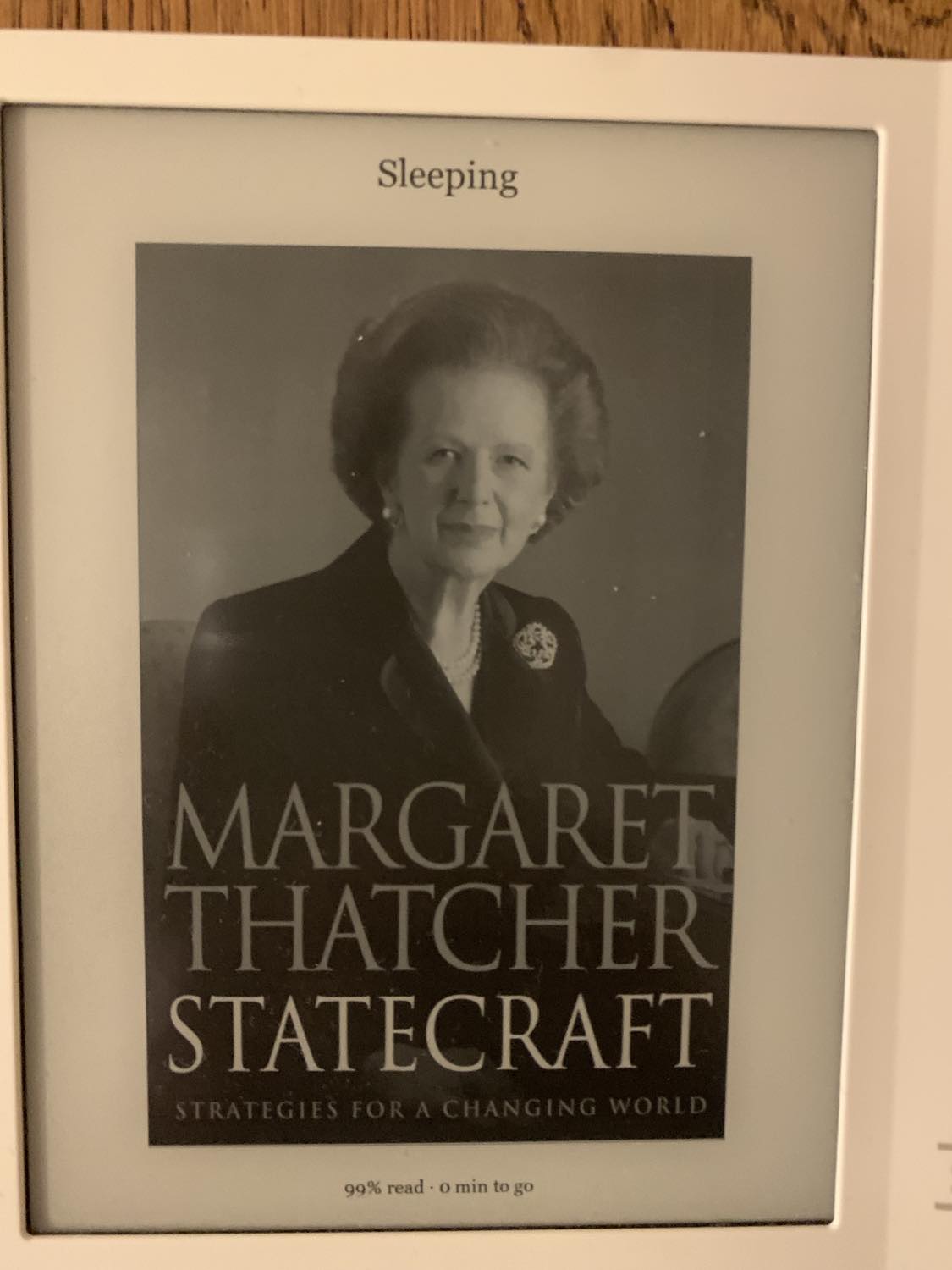
The book is an analysis of the international affairs by the former British Prime Minister, Margaret Thatcher. The book’s chapters are organized geographically, by country or region, but they also have some chapters on the fundamentals of classical liberalism. The analysis aims to guide and advise young politicians on a continuously changing world.

Strongly opinionated, Thatcher argues vigorously for free markets, strong military, prosperous economy, freedom of choice, limited state intervention, rule of law and British exceptionalism. What made Thatcher impressive was her 3 consecutive won elections, despite tough social measures.

The book is from 2002 and appears, in some respect, outdated. However, in many ways, the former Prime Minister was spot on in her analysis of the trends: the autocratic nature of Russia, the prosperity that free markets will bring to China, the bureaucratic European Union, the allure of social measures and strength and enterprise of the United States of America.

The volume is quite long and dense, but every chapter has at the end several main points, highlighted in a bullet-point, bold format, which makes the reading easier. many of her speeches are quoted in the book, but they are well inserted and the book is not just a collection of speeches.

While reading the book, I found myself wondering how many people will actually vote for her today. She combined a strong leader, with clear views, a well organized politician, a woman in a world of mostly men and a conservative liberal in one person. It is interesting that conservative parties, which do not have any gender quotas, but rather look at merit, brought forward most world prime ministers, to what I can remember.

I enjoyed the book, it was entertaining and timeless, pensive, intriguing at times, strong in both criticism and defending the values that she stood for. She must have been a truly remarkable stateswoman.

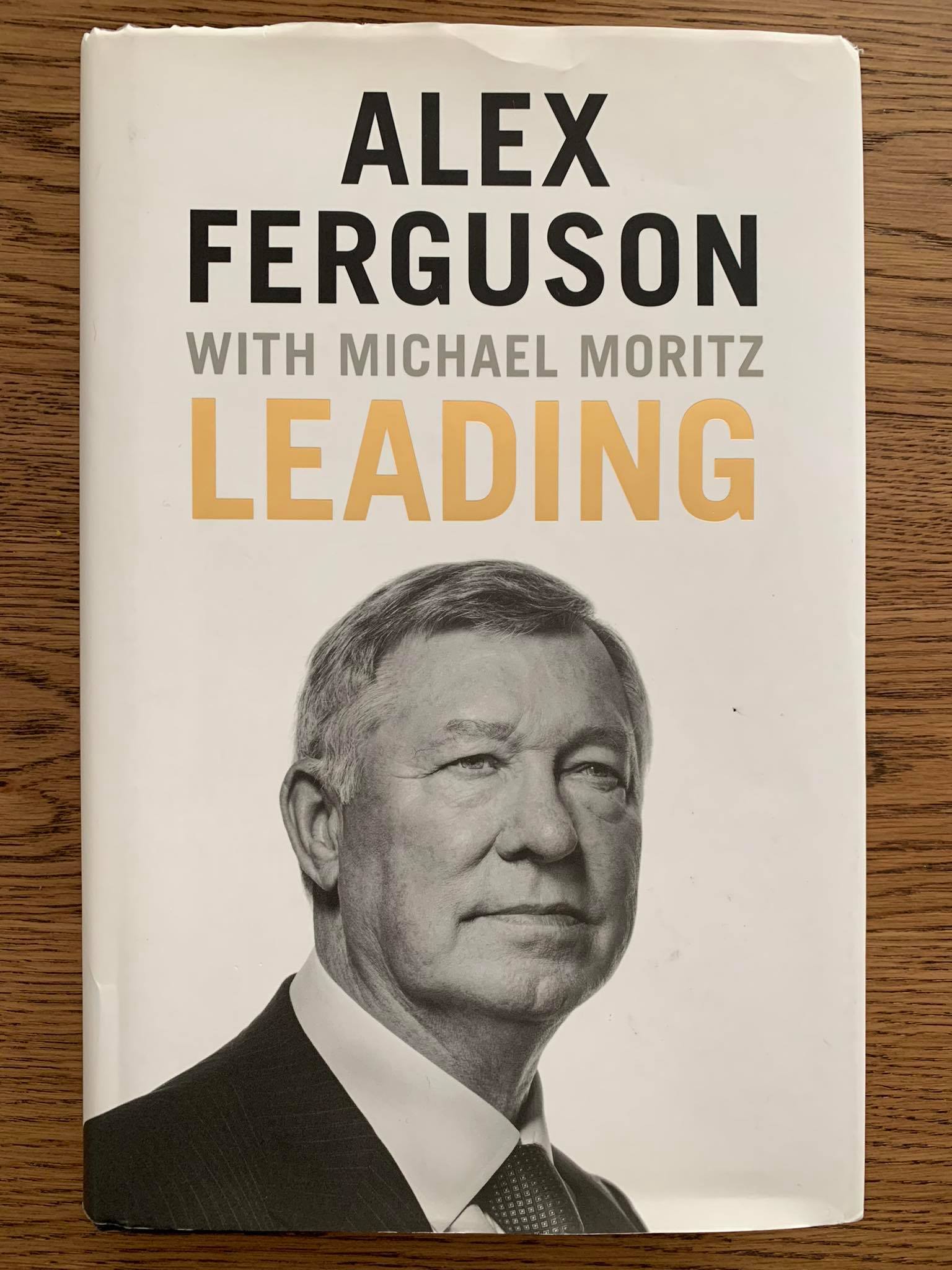
Leading – Alex Ferguson, with Michael Moritz

If I were running a company, I would always want to listen to the thoughts of its most talented youngsters, because they are the people most in touch with the realities of today and the prospects for tomorrow.

The book presents the leadership philosophy of Alex Ferguson, the Scottish football manager who managed Manchester United from 1986 to 2013. During his time at the club, Ferguson won more major trophies than any other football manager, making him one of the most successful and respected managers in the history of the game.

“Leading” covers quite a lot of chapters, from communication (content and delivery of message) and building an organisation to important traits of character for the team and avoiding complacency. Ferguson presents this book as a series of well-placed anecdotes, making the book memorable and easy to read.

It does not fall into the trap of presenting juicy stories about football stars, but appears to genuinely present Ferguson’s thinking on leadership. In a way, it a memoir, but only looking at the managing the club part.

It is impressive to see how far ahead in time his thinking went and how important for him were discipline and winning character. He understood that he was a hired hand for a job and did not harbour any delusions of grandeur, although he might have been entitled to. Ferguson seems to have a clear sense of hierarchy and always presents the owners of the club with greatest respect.

The desire to be a champion and the winning mentality transcends from the book. No matter the challenge, there was no excuse to not aim for winning a trophy. Ferguson was immune to the budget, luck or unfair advantages of other teams. It was just one more challenge among others, no excuse to not aim for the top.

The book is considered one of the best in football coaching and tops many charts. An excellent read, even for those not interested in football.

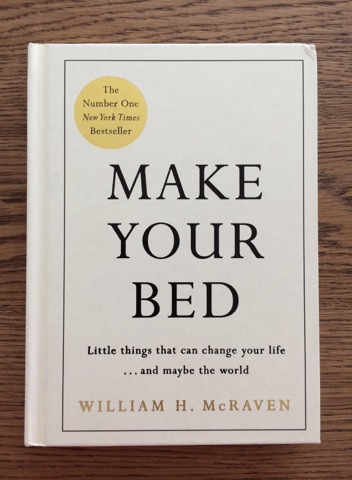
Make your bed – Admiral William H. McRaven

None of us are immune from life’s tragic moments. Like the small rubber boat we had in basic SEAL training, it takes a team of good people to get you to your destination in life. You cannot paddle the boat alone. Find someone to share your life with. Make as many friends as possible, and never forget that your success depends on others.

The book is a powerful and succinct self-development book by the retired 4-star admiral, William McRaven. He gives several life advices based on his experience and SEAL training.

Admiral McRaven was the legendary head of the US SEALs, during the bin Laden operation. Apparently, he was much appreciated within the US special operations forces. His book is not a memoirs, but just a sum of good life advice.

Now President of the University of Texas at Austin, the author based his book on the commencement speech at the university in 2014.

His first advice is to start the day with an accomplished task, such as making the bed. Each accomplished task gives confidence and pulls another accomplished task in the day and so on.

I find his advice useful and wise. Success brings success indeed.

The biggest critique to the volume is its brevity, at only 173 small pages with large font. However, the book seems written by the admiral himself, as the style of writing is rather simple and straightforward; but nonetheless elegant.

The book has a beautiful hard cover, a timeless masterpiece.

A book I fully recommend reading for its beauty, simplicity and wisdom.

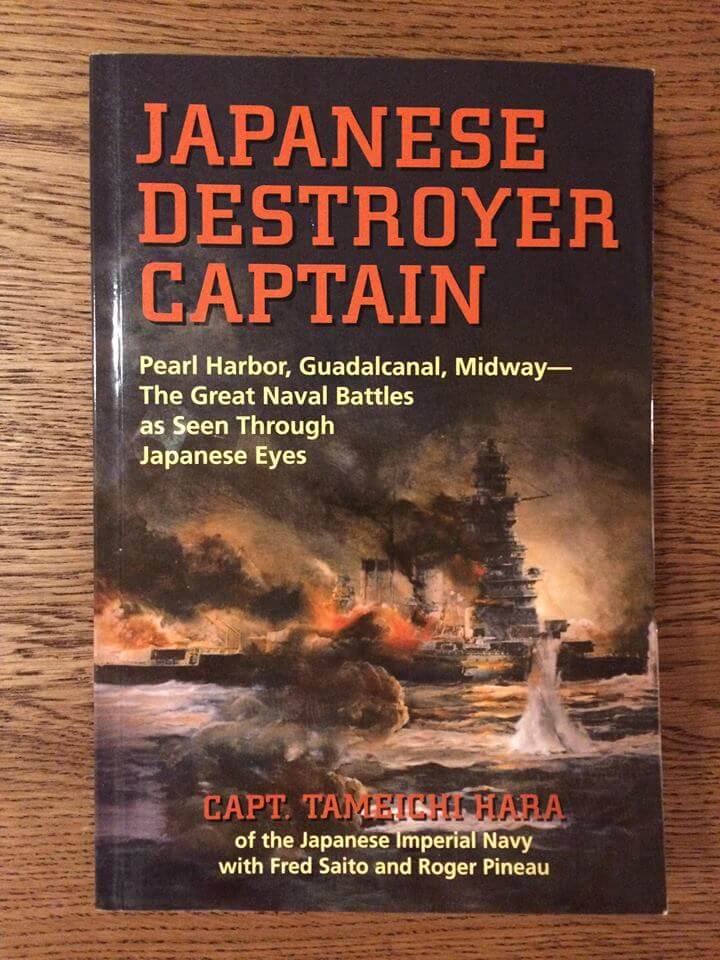
Japanese Destroyer Captain – Tameichi Hara

It was painful to consider that the nation which could produce the world’s greatest battleships was unable under pressure to produce a single satisfactory torpedo boat.

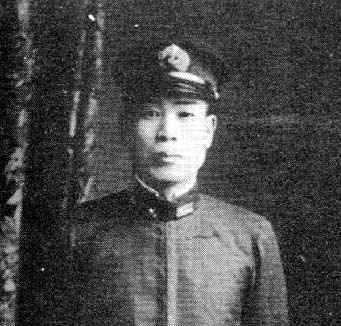
These are the memoirs of the only Imperial Japanese Navy destroyer captain at the start of World War II to survive the entire war. Tameichi Hara presents his memoirs, with the help of journalist Fred Saito and translator Roger Pineau.

The book focuses on the navy battles of the Pacific in 1942 and 1943 while captain Hara was fighting the US Navy in Guadalcanal and the Philippines, being involved in over a dozen major actions.

The stories are an unique view of the Imperial Japanese Navy, their tactics, problems, morale and weaponry. The writing is engaging, and the pace is surprisingly good for a memoirs book.

Tameichi Hara, a great mind, navigating difficult waters


Captain Hara is not just as simple captain. He wrote the Japanese manual for torpedo tactics, the most advanced in the world at the time. He managed to keep his ship intact with no crew loses, in several military engagements, when Japanese destroyers where sunk or damaged at a high rate.

The book practically shows how the power of air took over the power of navy, how warplanes gradually got the upper hand over warships.

Towards the end of the war, he accepted a suicide mission, as captain of the light cruiser Yahagi, accompanying battleship Yamato in its last attack.

What logic can make a human being to accept almost certain death, when everything else is lost? Captain Hara beautifully describes the situation and the facts with great precision.

The book is superbly researched, the Japanese actions being verified with accounts from the Allies. Those are some great memoirs, on par with the ones of Heinz Guderian, another great innovative mind. While Hara was the master of torpedo, Guderian was master of tanks, both ending on the same during and after the war.

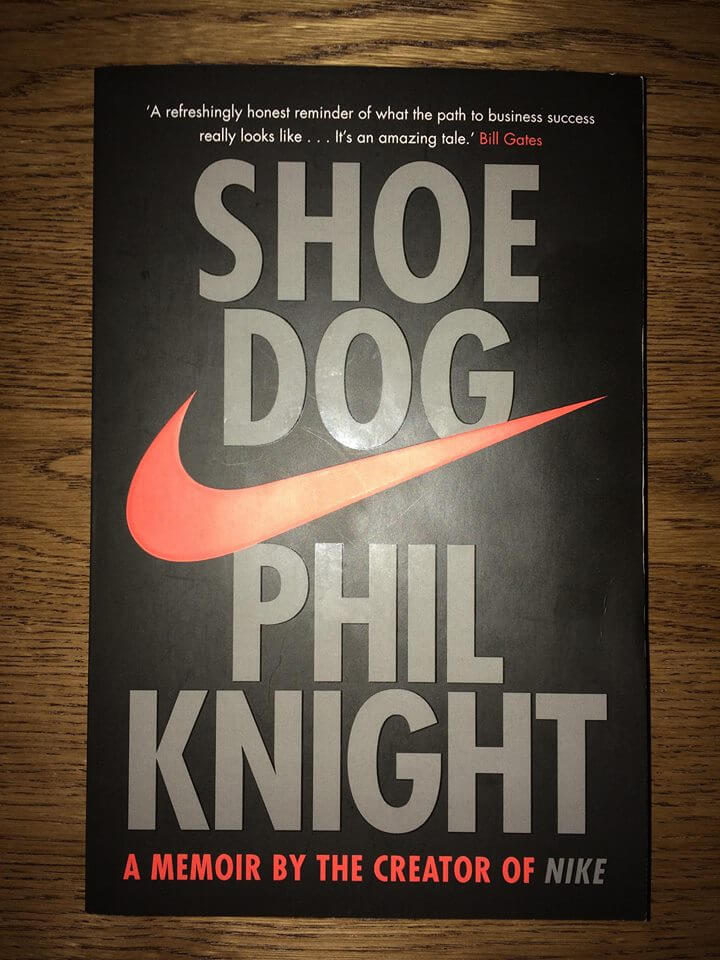
Shoe Dog: A Memoir by the Creator of NIKE – Phil Knight

I thought back on my running career at Oregon. I’d competed with, and against, men far better, faster, more physically gifted. Many were future Olympians. And yet I’d trained myself to forget this unhappy fact. People reflexively assume that competition is always a good thing, that it always brings out the best in people, but that’s only true of people who can forget the competition. The art of competing, I’d learned from track, was the art of forgetting, and I now reminded myself of that fact. You must forget your limits. You must forget your doubts, your pain, your past.

The book is a candid memoir by the founder of Nike, the sports shoes and apparel company. It starts with his travel around the world as a young graduate and concludes when the company was made public in the 1980s. The book presents in great detail the beginnings of now the largest sports company in the world.

This is indeed a great memoir, well-written, full of details and easy to follow. Apparently, JR Moehringer helped as ghostwriter. No wonder it was a best-seller, particularly because the owner of Nike never liked being in the spotlight.

Phil Knight starts his story when, as a young graduate of Stanford Business School, prepares to leave for a world voyage. The trip is hiding a business purpose as well, as he intends pass through Japan and propose selling rights in US from a Japanese manufacturer of sports shoes. This idea came from a university seminar.

His proposal succeeds and Knight gradually increases sales, while working as professor and later accountant. Being ditched by the Japanese manufacturer he is forced to produce his own shoes. And this is how Nike was created. The company always had financial problems, banks abandon him twice, legal challenges almost topple the company, he fights with US customs, but through sheer passion for the product and loyalty of men and women around him, the company succeeds.

It was amazing to see how much of a team work it was. The founder did not create the shoes, the clothes, the design, not even the name. All he did do very well was putting the right people in the right jobs and ensure loyalty of his employees.

As he often quotes in the book: “Don’t tell people how to do things, tell them what to do and let them surprise you with their results.” A shy person, he prefers to be a strategist than a general, although his idol is American General Douglas MacArthur.

Phil Knight talks about his family as well, his wife and sons, his parents and sisters. He talks fondly about his wife and her sacrifice to let him work long hours. He regrets not staying longer with his sons. He recalls his daily evening calls with his father, talking business and how to fight the legal challenges.

Overall, a great book from a shy man who built a sports empire and made the world a little better.

Most Secret War – R.V. Jones

The arguments in Whitehall concerning the weight of the rocket lasted throughout July and well into August. Herbert Morrison was near panic: on 27th July he was wanting the War Cabinet to plan immediately for the evacuation of a million people from London…

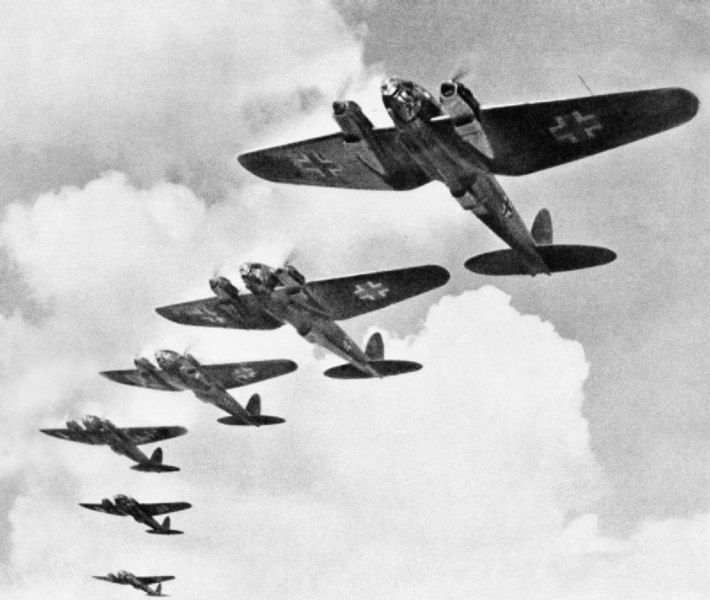
The book is a World World II memoir of Reginald V. Jones, responsible to anticipate and counter the German science applications in warfare, mainly air, and create new technical aids. Those weapons included radio navigation, radar, navigation for the Allied Bomber Offensive, and the V-1 and V-2 rockets.

R.V. Jones’ position in the British war effort, both in the Intelligence Section of Britain’s Air Ministry and in the MI-6, allowed him to be at the forefront of the technical war between NAZI Germany and the United Kingdom. He is now considered the father of technical and science intelligence and CIA has an award with his name.

The author’s account reveals much of the battles’ details fought with the technical minds in Germany, but also the experience of the war, the bureaucratic fights inside the various British ministries and his interactions with the British Prime Minister, of whom he was a great admirer.

British Scientific Intelligence 1939-1945

The memoir is read as a wartime scientific detective story, with a strong espionage background. For example, he reveals how the V-1 (flying bomb) and V-2 rockets were assessed in terms of warhead capability and production. He fought with his own expert councils and with some ministers panicked of a possible mass attack over London. By looking at aerial photographs, the messages from the ultra secret decipher service at Bletchley Park; the spy reports; prisoners’ interrogations and others, he was able to correctly put together the puzzle of the V-1 and V-2 rockets and find counter-measures for them.

His battle was different than the ones with tanks and land offensives, but not less important. Without him and his counter-measures, the bombing of Britain in 1940 would have been a lot more accurate and the German air force would not have sustain the crippling losses.

This book is widely acclaimed as one of the best memoirs of the World World II, from one of the highest ranked positions in the British intelligence. I sincerely recommend it to all readers interested in history and science.

From Third World to First: the Singapore Story – Lee Kuan Yew

I was also troubled by the apparent over-confidence of a generation that has only known stability, growth and prosperity. I thought our people should understand how vulnerable Singapore was and is, the dangers that beset us, and how we nearly did not make it. Most of all, I hope that they will know that honest and effective government, public order and personal security, economic and social progress did not come about as the natural course of events.

Lee Kuan Yew is the person responsible for the rise of Singapore, from $400 GDP/capita in 1959 when he became Prime Minister to $12,200 GDP/capita in 1990 when he retired. In this book, he tells his memoirs.

When Lee Kuan Yew took charge, Singapore was part of the British Empire, 4.5 times richer per capita than the city-state. By 1990, a Singaporean was richer than a British. Singapore did not have any natural riches to sell, like oil or diamonds, or rich neighbors, not even security guarantees; it had nothing, but its people.

In a towering 750 pages book, Lee Kuan Yew presents chronologically how he achieved this amazing performance. The book is divided in three parts: internal, foreign affairs and legacy.

In first part, the Singaporean leader explains his policies to develop economically and socially the country. He also describes the struggle against the internal enemies: the Malayans and the communists. He took in 1959 an adamant libertarian, free market, pro-capitalism view, in a time where socialism and communism were seem to be on the right part of history. Even in the prosperous years, efficiency and individualism were not abandoned to socialist policies. Meritocracy and a world class civil service were his out-most concerns.

At some point, his views seem controversial, such as recommending marrying your equal in terms of studies. He himself was not though child of such parents and he proved successful.

Nonetheless, he understood that no policy is infallible and he was quick to adapt and abandon inefficient policies, including capitalist or libertarian ones. If it works was what mattered.

Lee Kuan Yew never lost the elections from his sight. He was not a despot, but an elected leader of a democratic country and he always had internal politics in mind. However, the public opinion was not driving his decisions; he pulled and convinced an entire country to follow him. And it followed, because it always came with solid arguments and it delivered.

His critics, however, remind him of his restrictions to several human rights in Singapore. Lee Kuan Yew tries to explain himself throughout the book, arguing that no former colonial territory erupted in a democracy; they all needed a steady hand.

In the second part, he recalls his experiences with different countries, leaders and parts of the world. The Great Britain, Europe, the USSR, the United States, ASEAN, Japan, Australia, India, the Commonwealth meetings are featuring in his chapters. But amongst them all, Lee Kuan Yew admires the most China and Deng Xiaoping.

The Singaporean leader is, of course, influenced personally by China, as son of Chinese immigrants. He visited often China and his leaders. He was most impressed by Deng Xiaoping, which he considered a giant among men. In Lee Kuan Yew’s words, Deng was the only leader that could gather the loyalty and respect of his fellow Chinese communist leaders in order to change the economic policies of China towards capitalism. Deng did the change in the smart way, gradually, unlike Gorbachev of USSR. Hence, the country did not collapse. Nevertheless, corruption remains a long-term problem in China, Lee Kuan Yew reckoned.

Th third part is the shortest and looks at the new generation of Singaporean leaders. Learning from Deng’s failure to have his appointees leaders of China, Lee Kuan Yew tasked his government to choose a leader.

Talking about his family in this chapter, he expresses his gratitude towards his wife, a keen reader of people and constant support, sharing the same views as him.

The memoirs of Lee Kuan Yew are truly incredible. He is not politically correct and he forcefully puts forward his arguments for what he thinks it is right. The book is a legacy of a man with keen intelligence, using the best examples life gave him: from the American capitalist policies to communist political tactics, from Chinese caution to the experiences of for colonies.

[Feature photo – Singapore by Nicolas Lannuzel]

Blowing my cover – Lindsay Moran

Our next instruction was to traverse by night over many more miles of hostile territory, to find a shelter serving as base for a suspected terrorist cell. Once there, we were to infiltrate the premises and collect as much detailed information, “intelligence”, as we could.

We were exhausted, but we knew there was no choice but to press on. That day we managed, somewhat miraculously, to make the entire leg of the trip undetected by the bad guys, although we could hear them patrolling the roads with their noisy Mack trucks, engaging the other groups in firefights.

Blowing my cover – My life as a CIA spy is a memoir of a former CIA operative, who ended up resigning the Agency after 5 years. Moran carefully describes her training and her motives to join (and to resign) from CIA. The style of writing is rather cynical, but entertaining in the same time.

I was interested in the book because she operated in the Balkans, but the former spy doesn’t dwell on her missions.

blowing-my-cover
Memoirs of a 5-years spy

The book presents in great detail how the CIA training for operatives takes place, such as escaping tails, noticing details, gathering intelligence, making contacts. This part was practical and quick-paced.

The other part, intertwining with her training and missions, was a psychological analysis of her reasons to work for the Agency. She considered her job a lonely, difficult, rather boring job, with little solace. However, the analysis does not go very deep. To provide a context, Moran worked in the Balkans around 2000-2003 and the 9/11 attacks were in 2001. In comparison with the CIA agents in Afghanistan, the Balkans must have been very boring.

The writing could have used more polishing, but it was an interesting reading.