
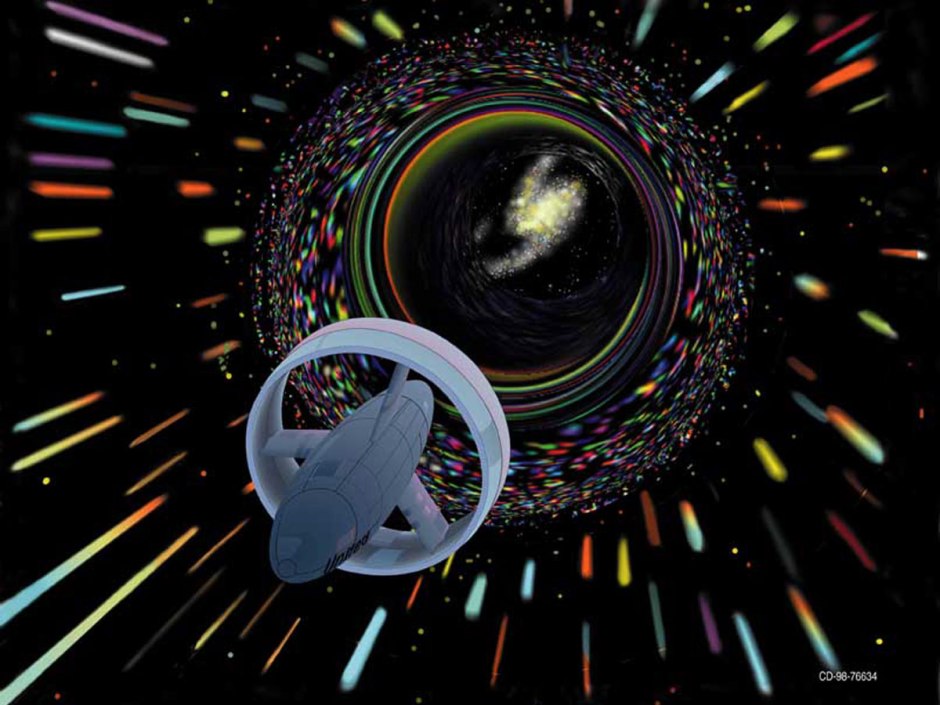
The whole voyage to Tau Ceti and back takes place inside the Local Interstellar Cloud and the G Cloud, which are concentrations of gas within the Local Bubble, which is an area of the Milky Way galaxy with fewer atoms in it than the galaxy has on average. Turbulence, diffusion: in fact, with our magnetic field coning ahead of the ship, electrostatically pushing aside the occasional grain of dust big enough to harm it in a collision, all atoms of any kind encountered en route are pushed aside, so we register our surroundings mostly as a kind of ghostly impact and then as a wake, shooting by to the sides and then astern of us.
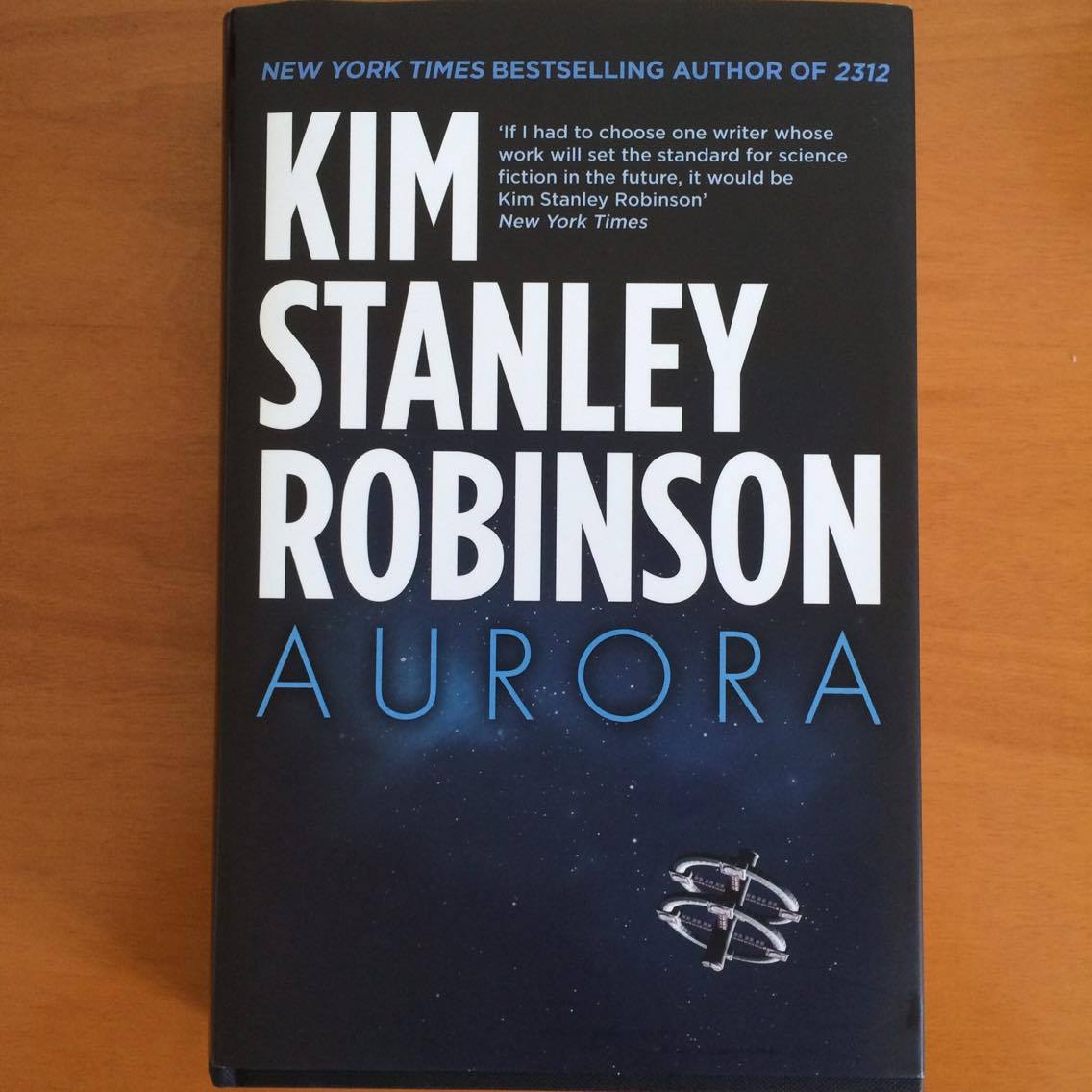
Aurora is a beautiful hard scifi novel, describing a voyage of humankind from Earth to another planet, for colonisation. The voyage fails, as all the other voyages of colonisation tried by humankind sometime in the future. The crew decides to come back to Earth, barely trying to understand and adapt to the new planetary conditions.
While I enjoy the idea, the writing, the narrative and all the scifi descriptions, I fundamentally disagree with the message of the book: that we are chained by biological strains to remain on Earth. Hence, we should do the utmost care to preserve the planet as pristine as possible.
According to Kim Stanley Robinson, outside of Earth, people are stupider, unable to adapt and none of the tries of colonisation has any success, despite well-planned voyages. I think this conclusion comes in contrast with humankind achievements so far: small groups of people exploring, colonizing and adapting to very different strips of land and weather patterns. Humans did not get confined in Africa, but pushed further and further, from the desert to islands and from arctic to jungles.
The story of this voyage failure to Aurora, the alien planet, is well constructed and tension is skilfully built. gradually increasing pace. The protagonists’ motivations and characters are carefully constructed.
However, there are things I don’t like. The leading voice towards returning to Earth has no credentials, except being the daughter of the main engineer of the ship, dead at the time of alien planet arrival. She seems the leader not because of personal willpower or building a solid argument, but because she is known to most people and most voyagers are likely to fight the least her option.
The arguments towards returning to Earth are poorly constructed. There is no try to adapting and understanding the new planet. No years of orbiting trying to see where the problems are and how they can be resolved. It is a very different and pessimistic story than the Martian, for example.
It seems unlikely that people can revolt and endanger the entire expedition, without exhausting all avenues of solving their issues peacefully first.
I like the narrative, but the logical path seems flawed and not realistic. There are too many psychological, mind games, when there are too many practical problems to solve.

 Mike Bostan - personal blog on book reviews and energy studies