
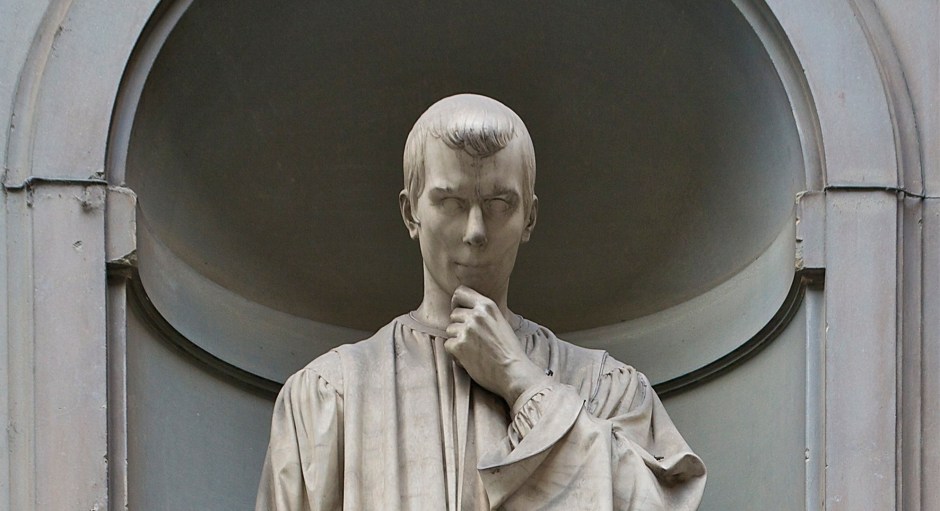
Slow Dance:
Have you ever watched kids, On a merry-go-round? Or listened to the rain, Slapping on the ground? Ever followed a butterfly’s erratic flight? Or gazed at the sun into the fading night? You better slow down. Don’t dance too fast. Time is short. The music won’t last. Do you run through each day, On the fly? When you ask: How are you? Do you hear the reply? When the day is done, do you lie in your bed, With the next hundred chores, Running through your head? You’d better slow down, Don’t dance too fast. Time is short, The music won’t last. Ever told your child we’ll do it tomorrow? And in your haste, Not see his sorrow? Ever lost touch, Let a good friendship die, Cause you never had time, To call and say Hi? You’d better slow down. Don’t dance so fast. Time is short. The music won’t last. When you run so fast to get somewhere, You miss half the fun of getting there. When you worry and hurry through your day, It is like an unopened gift thrown away. Life is not a race. Do take it slower. Hear the music, Before the song is over.
The book argues that working only a few hours a week and living decently is possible.
However, the book acknowledges that this perspective requires rewriting of the usual career system. Remove working and no pension plans are needed, for example.
Regarding pension, the author makes the point that working hard and unhappy an entire professional life for only a few happy years in retirement, when people are already sick and old, makes no sense. He suggests living happily, working remotely in a job that allows much individual freedom, so the available time is spend doing happy things (like traveling or hobbies.
The book is also full of biographic notes from the author: how he started his business (supplements), how he made his exit, how he became a Chinese martial art champion (exploiting the weight measurements before fights), etc.
What transpires from his message is the idea to think differently, to get out of the usual working time and focus on the things that matter. Out with the protocol or useless meetings, out with coordination calls and replying politely to emails.
The book comes with a strong argument that time spent at work is not equal to productivity (doing more) or efficiency (doing better). In fact, it slowly burns us and makes us sicker, aloof and unhappy.
It also nicely argues that a lifetime of pain for a few years of happiness in retirement, when we cannot even enjoy the benefits due to our age, is madness.
However, what the author ignores is the safety net that a savings plan offers. All what the author proposes works with everything goes atomized and well (so no sickness, no job loss, no links with family or friends).
Additionally, many people find pleasure in what they work. Some people would do their job even if not paid, as volunteers, because they just enjoy what they are doing.
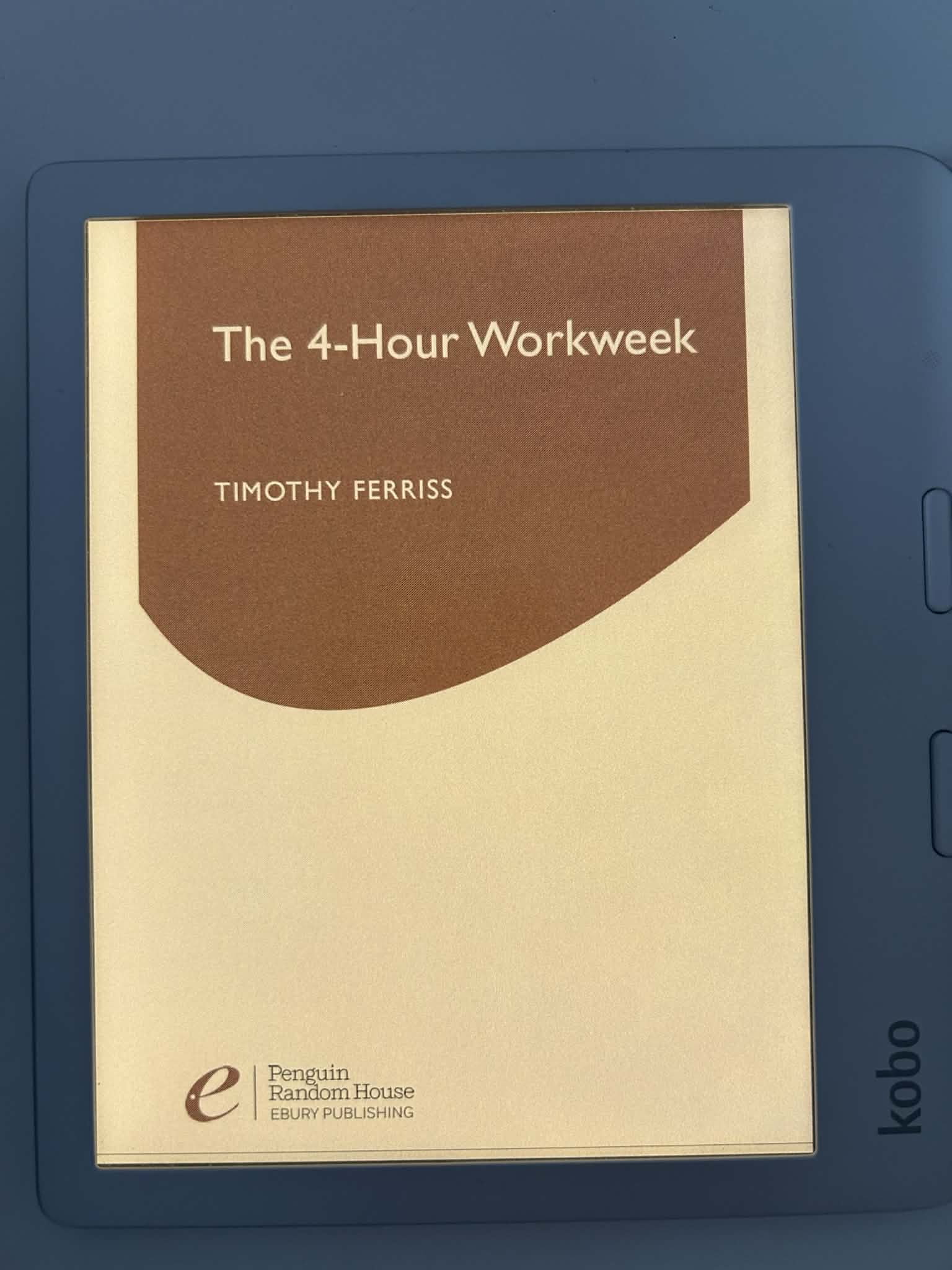
Overall, a good food for thought book, but not amazing.
 Mike Bostan - personal blog on book reviews and energy studies