

Put your readers first. People are busy and have expectations of the precious time they give you. All they usually want to know is what’s new and “Why it matters.” Give them that.
This is easily one of the best books I have ever read. We communicate to transmit something: a message, an info, a plan, a feeling. This book helps the communicator deliver the message, and it is focused on the professional side (journalists, advocacy professionals, communication experts, etc.). The book helps the reader to get the attention of the audience and have them read, with attention, the message you want to transmit. Short, but full of wisdom gems, the book is a marvel of reading.
Written by the founders of POLITICO (one of the few global political journals making a reputable name in the last decades) it presents their template for writing attention-grabbing and memorable articles, for people interested in political and policy life (and with their attention assaulted by myriads of other messages).
The book is so well written that I will quote them again, on how to build a grabbing message:
Smart Brevity’s Core 4 Smart Brevity, in written form, has four main parts, all easy to learn and put into practice—and then teach. They don’t apply in every circumstance but will help you begin to get your mind around the shifts you need to make.
1 A muscular “tease”: Whether in a tweet, headline or email subject line, you need six or fewer strong words to yank someone’s attention away from Tinder or TikTok.
2 One strong first sentence, or “lede”: Your opening sentence should be the most memorable—tell me something I don’t know, would want to know, should know. Make this sentence as direct, short and sharp as possible.
3 Context, or “Why it matters”: We’re all faking it. Mike and I learned this speaking to Fortune 500 CEOs. We all know a lot about a little. We’re too ashamed or afraid to ask, but we almost always need you to explain why your new fact, idea or thought matters.
4 The choice to learn more, or “Go deeper”: Don’t force someone to read or hear more than they want. Make it their decision. If they decide “yes,” what follows should be truly worth their time.
An example that remained with me: what is more attention-grabbing from the 2 examples below?
Example A: There is water on the moon’s surface, and ice may be widespread in its many shadows, according to a pair of studies published Monday in the journal Nature Astronomy.
Example B: Moon is wet.
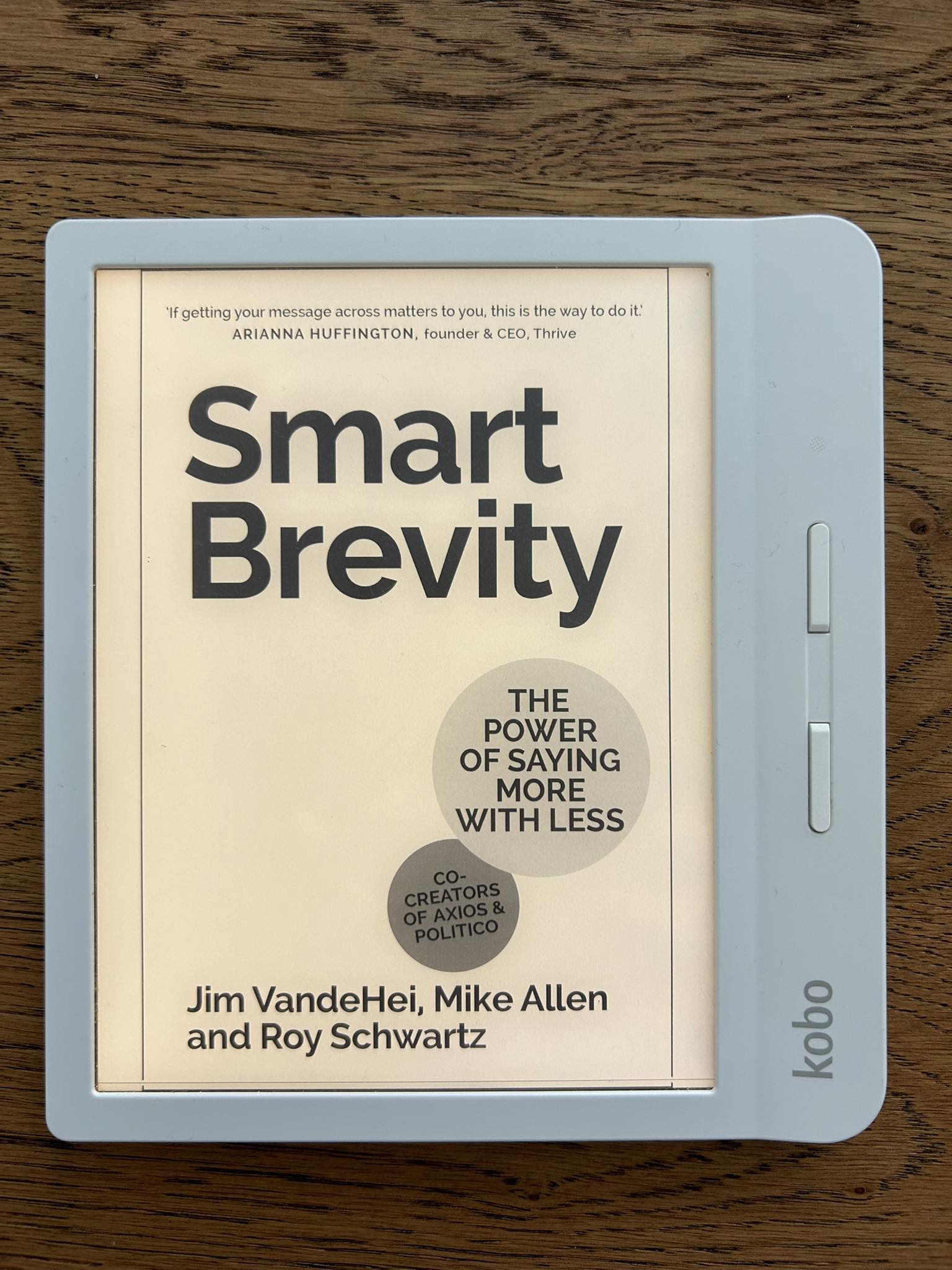
This is one of the books that will be a classic, so actual in the world of short-attention spam we have today.
 Mike Bostan - personal blog on book reviews and energy studies