Wind energy tapes the Earth’s winds to create electricity through wind turbines. Wind turbines can be HAWTs (Horizontal-Axis Wind Turbines), widely used, or VAWTs (Vertical-Axis Wind Turbines). VAWTs are designed to be used mainly within urban areas. The turbines can be deployed onshore (on land), producing cheaper electricity or offshore (near cost), producing more reliable electricity.
A wind turbine uses the inflow of wind to activate the blades and the rotor. They spin the main shaft and gearbox, which spin the generator, producing electricity. Blades work basically like a reversed airplane wing.
The design of a wing facilitates lift, while the wind turbine blade facilitates push, with the most important part (and most expensive materials) at the top of the blade, because most of the aerodynamic loading is created there. The blade is made of fibreglass (cheaper than aluminium, with similar structural resistance).
The rotor assembly is the main focus now for improving the turbine (Bazilevs, Wind Turbines: Future of Energy, 2014).

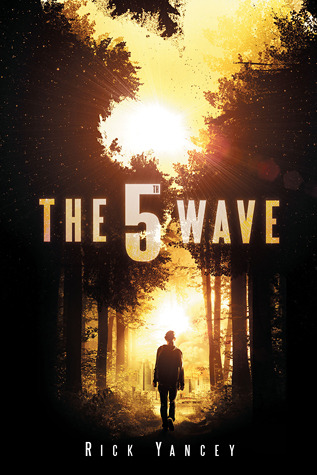 Whilst I am not totally convinced to buy the rest, I liked the story, the plot twists, the protagonists. A bit focused towards adolescents, which I found an unnecessary addition to the overall believable and well-thought scenario.



 Mike Bostan - personal blog on book reviews and energy studies